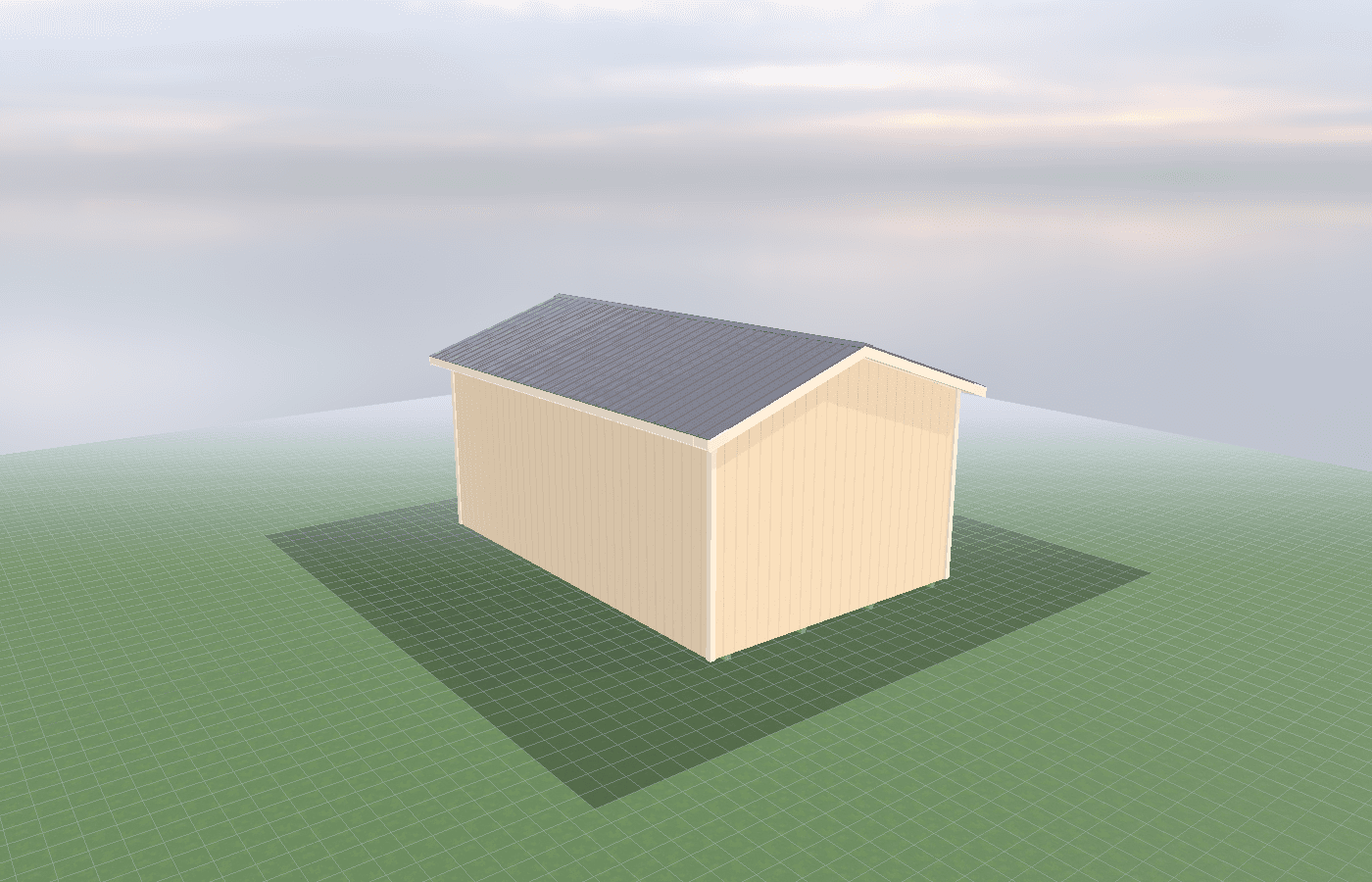
Dust collection and ventilation for shed workshops
A workshop shed that handles dust badly will never feel finished, no matter how nice the benches or tools are. In North Idaho, the problem gets worse because winter pushes you to close the doors, trap heat, and keep working in a tighter envelope. On-site construction helps because the collector location, duct runs, make-up air path, and heater placement can be designed around the real workflow instead of retrofitted into a generic shell.
Dust Collection Ventilation Shed in North Idaho
When a workshop is small, people often think dust collection can wait. In North Idaho, that is backwards. The smaller and tighter the shop, the less forgiving the air becomes once the doors are closed for winter. EPA notes that woodworking hobbies can generate large quantities of particulate matter, and NIOSH lists wood dust as a respiratory hazard and a combustible solid. Fine dust is the part that hangs in the room after the machine shuts off, settles into heaters and light fixtures, and keeps getting stirred back into the breathing zone.
That matters even more in this region because a shop that feels breezy in October can feel sealed up by January. Once snow is piled outside and you are trying to hold heat, you stop propping doors open just to clear the air. A shop that never planned for source capture, make-up air, and filtration quickly turns into a room that is warm enough to work in but unpleasant to breathe in.
A good workshop shed plan starts with the air, not the accessories. The collector location, duct path, heater placement, window placement, and where you expect to sand or spray should be decided before the benches are fixed. On tighter suburban lots around Post Falls, that planning can be the difference between a shop that feels professional and one that always smells dusty or stuffy.
This is also where on-site construction is genuinely useful. NIOS can frame a collector closet, add blocking for wall-mounted duct, place a man door where it supports ventilation instead of fighting it, and size the shell to the actual tools you own. Delivered prefab buildings usually force the shop plan to adapt to the box. On-site builds let the box adapt to the workflow.
How does shed size affect heating and airflow?
Size changes airflow planning because volume, machine count, and heat load all move together.
A 10x16 is a strong starter footprint when the shop will be a one-person, one-machine-at-a-time space. It heats quickly and is efficient to insulate, but the air can get dirty fast if the table saw, miter saw, and sanding station all live in the same breathing zone. In this size, short duct runs, a strong ambient cleaner, and disciplined cleanup matter more than people expect.
A 12x16 is often the sweet spot because it gives enough floor area to separate the heavy dust side from the assembly side. You can place the collector at one end, keep the bench cleaner, and still maintain workable circulation. The bigger volume also makes a mini-split or electric heater feel less turbulent because the supply air is not blasting directly across every surface.
At 12x20, the shop gets much more forgiving in some ways and more demanding in others. You have room for a lumber rack, a central machine lane, and a clean bench zone, but you also have more cubic feet to heat and more opportunity to lose performance with long flexible duct runs. If you plan to vent finishing fumes or capture sanding dust in a separate area, 12x20 gives you the space to do it right. The main point is that larger shops do not magically fix air quality. They just give you enough room to zone the work if the system was planned well.
Heating also interacts with airflow. A room that is too small for the tools tends to get rearranged constantly, which means heaters, hoses, and extension cords end up in bad places. A room that is large enough but poorly zoned can still have dead corners where dust hangs. The best size is the one that gives every air-moving component an intentional home.
Systems planning for workshops
Capture dust at the machine
Source capture should do the heavy lifting. A collector is most effective when the biggest chip producers are connected with short, smooth runs and the amount of flex hose is kept small. Table saws, planers, jointers, drum sanders, and miter saw stations all benefit from hard duct or well-supported smooth pipe, well-placed drops, and blast gates so the airflow is concentrated where you are actually working.
Filter the fine dust after the cut
The collector handles chips and coarse dust, but it does not solve the floating fines by itself. That is why a workshop shed usually needs a second layer: an ambient air cleaner or a high-quality portable filtration unit. These are especially useful after sanding, sweeping, or breaking down sheet goods, when the fine dust stays suspended long after the machine stops.
Plan winter ventilation and make-up air
Ventilation is a separate problem from dust collection. If you spray finishes, use solvents, weld, or even do a lot of glue-ups with strong products, you need local exhaust that moves contaminated air out of the room. EPA guidance for hobby spaces is simple and sensible: increase ventilation with open doors or windows and/or local exhaust fans, and do not work in poorly ventilated spaces. In a North Idaho winter, that usually means building in a controlled exhaust strategy instead of hoping an open door is good enough.
Exhausting air out of a tight workshop means replacement air has to come from somewhere. If you do not plan for it, the room can go negative and make doors whistle, heaters work harder, or fine dust migrate toward gaps you did not intend. A filtered make-up air path, a fresh-air inlet that does not dump snow into the room, and heater placement that does not blow directly across a sanding bench all matter.
This is why the air plan needs to be coordinated with the electrical and layout plan from the start. The collector may need 240V. The ambient cleaner wants ceiling clearance. The mini-split indoor head needs a wall free of tall cabinets. The best companion reads are how much power does a workshop shed need: 120v vs 240v planning and workshop layout planning: bench-first design for small spaces. Once those three decisions line up, the shop starts feeling intentional instead of improvised.
Separate finishing fumes from dust collection
Do not assume one fan solves every air problem. Sanding dust, finishing fumes, welding smoke, and ordinary heat recovery are different issues. A finishing area needs clean exhaust and safe product handling, not a dusty collector line that was meant for chips. If the shop will do more than simple woodworking, plan those processes as separate zones from the beginning.
Cost, timing, and build-planning factors
Air-quality systems cost real money, but retrofitting them usually costs more. The cheapest time to decide where the collector sits, where penetrations go through the wall, and whether the shell needs an insulated mechanical closet is before the shed is framed and sided.
The main budget items are the collector itself, ductwork, wall and ceiling finish that seals up dust leaks, dedicated circuits, and the climate-control package. A 10x16 starter shop can stay fairly simple. A 12x20 with multiple machines, a dust closet, and a separate finishing exhaust is a more complete mechanical system, not just a bigger box.
Timing matters too. In North Idaho, winter can limit exterior penetrations, slab work, and site access. Mud season can also make it harder to trench power or stage materials. If the shop will be in unincorporated Kootenai County, the permit conversation changes once the building crosses common thresholds. A 12x20 shop is 240 square feet, which usually puts it over the county's 200-square-foot building-permit line for residential storage buildings, even before you add electrical or heating considerations. In Bonner County, the planning threshold is different, but the practical advice is the same: check the review path early.
Noise is another hidden cost factor. A collector in the same room is simpler to install, but it can make conversations, videos, and long work sessions more tiring. A collector closet, insulated wall, or exterior pad can raise the upfront cost while dramatically improving how the shop feels day to day.
On-site construction helps here because the final wall penetrations, collector pad, exterior vent hood, and door swing can be adjusted to the real site. If you want the shop priced with the air system in mind instead of bolted on afterward, request a free estimate before you commit to the shell.
Popular sizes and layouts for workshops
For most owners, the right workshop size is the smallest one that still lets the air system work properly.
A 10x16 is the lean starter option. It works best when the tool lineup is disciplined, machines are on mobile bases, and the collector is sized for one major tool at a time. This size makes sense for homeowners who want a serious hobby shop without giving up much yard space.
A 12x16 is usually the best all-around North Idaho workshop. It gives enough room for a table saw or bench zone, a dust-producing wall, and a cleaner assembly corner. It is also still manageable to heat, insulate, and light without building commercial-scale systems. If a buyer tells us they want woodworking, occasional metalworking, and four-season comfort, 12x16 is often where the conversation settles.
A 12x20 is the step up when workflow matters as much as square footage. One end can handle lumber and machine work, the middle can stay clear for movement, and the far end can act as a bench or finishing zone with more control over air paths. That size also gives more freedom to place windows high, keep one long wall open for cabinets, and tuck a collector where noise is less annoying.
No matter which size you choose, start with machine locations, collector path, and heater position before you start decorating the shop. A cleaner, quieter shop is usually the result of better planning, not just more accessories.
Frequently asked questions about workshops
What size workshop works best for dust collection and ventilation for shed workshops?
For many North Idaho buyers, 10x16 and 12x16 are the best starting sizes because they balance usable floor space with realistic placement on the property. We then size up or down based on snow load, storage volume, and how much dedicated work or seating area you need. Compare 10x16 and see 12x16.
What climate control does a workshop shed need in North Idaho?
At minimum, insulate to R-19 walls and R-38 ceiling for year-round use. A mini-split heat pump handles heating and cooling efficiently. Add ventilation specific to your use case. Get a free estimate.
Frequently asked questions
What size workshop works best for dust collection and ventilation for shed workshops?
For many North Idaho buyers, 10x16 and 12x16 are the best starting sizes because they balance usable floor space with realistic placement on the property. We then size up or down based on snow load, storage volume, and how much dedicated work or seating area you need. Compare 10x16 and see 12x16.
What climate control does a workshop shed need in North Idaho?
At minimum, insulate to R-19 walls and R-38 ceiling for year-round use. A mini-split heat pump handles heating and cooling efficiently. Add ventilation specific to your use case. Get a free estimate.
Ready to plan your build?
Tell us your site, your dimensions, and the use case. We'll come out and price it.