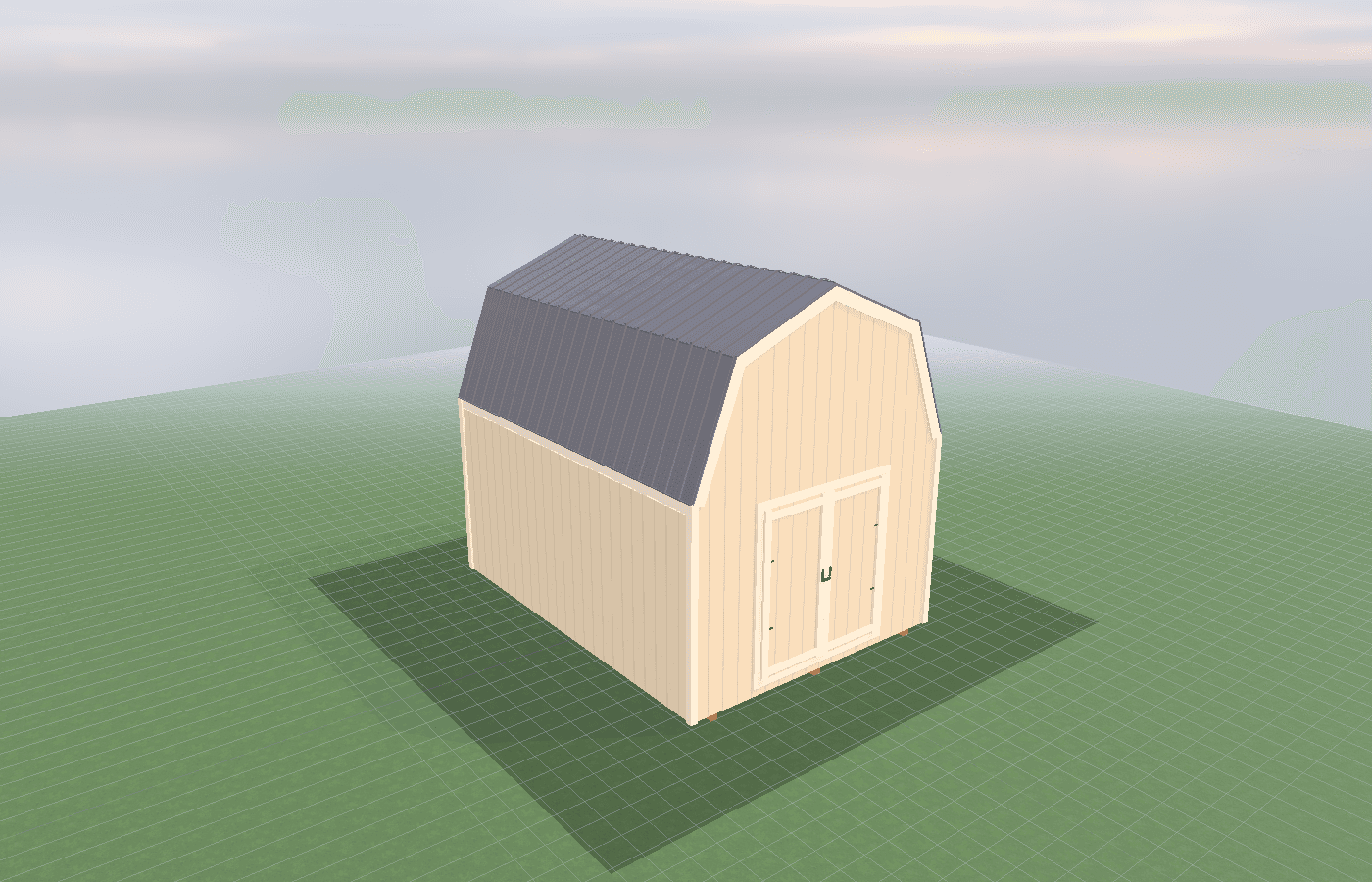
Bow storage and maintenance: organizing your archery shed
A good archery shed is not just where bows get parked. In North Idaho, the most useful setups make it easy to store bows dry, inspect strings and arrows under good light, and keep broadheads, cases, and hunting gear from turning the room into a cluttered hazard.
Bow Storage and Maintenance in North Idaho
Bow storage sounds straightforward until one room has to handle cases, releases, arrows, broadheads, targets, packs, and the routine maintenance that keeps everything trustworthy. An archery shed works best when it supports inspection and organization at the same time. If bows are always getting leaned into corners, broadheads are floating around in open bins, and arrow tubes are stacked wherever they fit, the room stops helping and starts creating mistakes.
North Idaho conditions make that worse. Wet shoulder seasons, hunting gear crossover, and long winters mean the room often handles more than clean range-day equipment. Muddy boots, damp outerwear, and scent-heavy field gear can quickly invade the same space as strings, rests, and cases unless the layout is disciplined. That is why this guide connects directly with building a backyard archery range: safety, backstop, and lane design and hunting gear drying and scent control: shed design that actually helps. Storage, maintenance, and field use are one system.
A well-planned archery range shed gives each category of gear a job-specific place. Bows should be easy to hang or rack without twisting around other equipment. Arrows should be easy to inspect. Tools, wax, spare parts, and releases should live near the bench instead of across the room. The goal is not a showroom wall. It is a working setup that reduces rushed decisions before practice or a hunt.
On-site construction matters because this kind of shed often sits near the practice lane or adjacent to a broader hunting-gear zone. Around St. Maries, where a property may support archery, rifle, and general outdoor storage in the same area, the right shed location can keep the archery room dry, accessible, and separate enough to stay organized.
It also helps the room support a repeatable maintenance rhythm. A good archery shed should make it easy to come in, unload, inspect, wipe down, re-store, and leave. If cases have to be stacked in front of the bench or broadheads share the same tote as spare gloves and rangefinders, the room starts creating shortcuts. Clean organization is not just aesthetic. It protects expensive equipment and reduces the chance of nicked strings, bent arrows, or broadhead accidents during routine handling.
What size archery range shed gives you enough usable room?
A 10x12 is the smallest footprint that usually feels honest for bow storage plus a real maintenance bench. It can support wall racks, a tuning or inspection surface, and defined storage for arrows and accessories. For one archer with disciplined organization, that may be enough.
A 10x16 is where the room starts becoming much easier to live with. The extra length gives more separation between the bench zone and the bulk storage zone, which matters when cases, layered clothing, targets, and field gear begin showing up at the same time. It also helps keep the central path clear instead of turning the room into a narrow obstacle course.
A 12x16 is often the best long-term answer if the shed also supports practice, tuning, or multiple users. It provides enough wall length for cleaner bow organization and enough open area that one person can work at the bench while another grabs gear without crowding the whole room.
That larger footprint also makes seasonal rotation easier. Range targets, hunting packs, foul-weather layers, and off-season accessories can move to their own zones instead of constantly invading the bench. When the room can absorb those surges gracefully, maintenance quality usually improves right along with organization.
The best size is the one that lets maintenance happen without unloading the storage system first. If you need to move targets, pull down cases, and step around camping bins just to inspect an arrow shaft, the room is already telling you it wants a better plan.
Best layouts and features for archery range sheds
Bench-first design usually wins. Put the maintenance surface where light is best, where small tools can stay organized, and where the user can inspect arrows, cams, strings, and accessories without balancing gear on a folding chair. That bench should be close to parts storage but not directly in the path of every case or bow.
Bow storage should stay orderly and forgiving. Dedicated wall racks or riser supports are better than leaning bows into corners where they get bumped by targets and quivers. Broadheads deserve sealed, labeled storage. Releases, sights, wax, extra nocks, spare loops, and small tools should live in a defined drawer or cabinet system. When every tiny item has a place, the whole shed becomes easier to keep safe.
Arrow storage is a bigger deal than many owners expect. Shafts are easier to inspect when they are not jammed into random buckets, and broadhead arrows should be separated from field-point arrows so the room does not surprise you during cleanup. Good layouts also leave one zone for soft goods like arm guards, range bags, and rain layers, keeping them out of the tuning area.
Lighting and climate behavior matter too. You do not need to over-condition the room, but you do want it dry, easy to clean, and bright enough for close inspection work. The best rooms reduce dust, keep gear off the floor, and make it obvious what needs maintenance and what is ready for the next session.
Cost, timing, and build-planning factors
The biggest cost mistake is assuming storage can always be added later without affecting how the room works. In reality, bench placement, door swing, lighting, rack spacing, and the width of the main aisle should be solved before the walls are full of hardware and gear. Retrofitting organization is almost always messier than planning it up front.
Timing matters because the shed should match the real hunting and practice rhythm. If archery season, wet-weather gear, and broader hunting storage all collide in the same months, the room needs enough breathing room to handle those surges. On-site construction helps because the door side, bench wall, and approach path can be tuned to the property instead of copied from a generic interior diagram.
Electrical work often pays for itself quickly here. Task lighting, a few dependable outlets, and maybe one climate-control upgrade can turn the room from passive storage into a space where maintenance actually happens. Idaho DOPL and local building context should be considered if the project moves beyond basic unconditioned storage.
A better-organized archery shed also protects expensive gear from shortcut habits. When the room is easy to use, owners are more likely to wax strings, inspect arrows, separate broadheads, and put bows away cleanly. If you want help sizing the room around your equipment and routine, get a free estimate.
Popular sizes and layouts for archery range sheds
The 10x12 layout is the compact classic for one archer who wants a clean bow wall and a real maintenance bench. It works best when the user keeps bulk overflow in a separate shed or avoids turning the room into general hunting storage.
The 10x16 layout is a strong middle ground because it gives the bench and the storage wall more breathing room. For many owners, this is where the room starts supporting both everyday upkeep and seasonal transitions without feeling crowded.
The 12x16 layout is the best fit when the shed also supports more targets, more soft goods, or a broader mix of bows and field equipment. The wider footprint can make wall storage more comfortable and the central aisle calmer.
In every case, the best layout keeps the bows protected, the small parts visible, and the maintenance routine easy enough that equipment stays truly ready. That is the difference between a storage room that looks organized once and a shed that stays organized through the whole year.
For many owners, the long-term win is simply that the room becomes trustworthy. You know where the tuned arrows live, where the broadhead case belongs, where the string wax sits, and where damp range-day gear stops before it contaminates the bow wall. That kind of repeatability is what keeps an archery shed useful during the messy middle of the season, not just on the day it gets organized. It also makes pre-hunt checks faster, cleaner, and more consistent every week.
Frequently asked questions about archery range sheds
What size archery range shed works best for bow storage and maintenance: organizing your archery shed?
For many North Idaho buyers, 10x12 and 12x16 are the best starting sizes because they balance usable floor space with realistic placement on the property. We then size up or down based on snow load, storage volume, and how much dedicated work or seating area you need. Compare 10x12 and see 12x16.
What layout maximizes usable space in a archery range shed shed?
Start with your largest item and build the layout around it. Wall-mounted storage, overhead racks, and French cleat systems make the most of vertical space. Get a free estimate.
Frequently asked questions
What size archery range shed works best for bow storage and maintenance: organizing your archery shed?
For many North Idaho buyers, 10x12 and 12x16 are the best starting sizes because they balance usable floor space with realistic placement on the property. We then size up or down based on snow load, storage volume, and how much dedicated work or seating area you need. Compare 10x12 and see 12x16.
What layout maximizes usable space in a archery range shed shed?
Start with your largest item and build the layout around it. Wall-mounted storage, overhead racks, and French cleat systems make the most of vertical space. Get a free estimate.
Ready to plan your build?
Tell us your site, your dimensions, and the use case. We'll come out and price it.