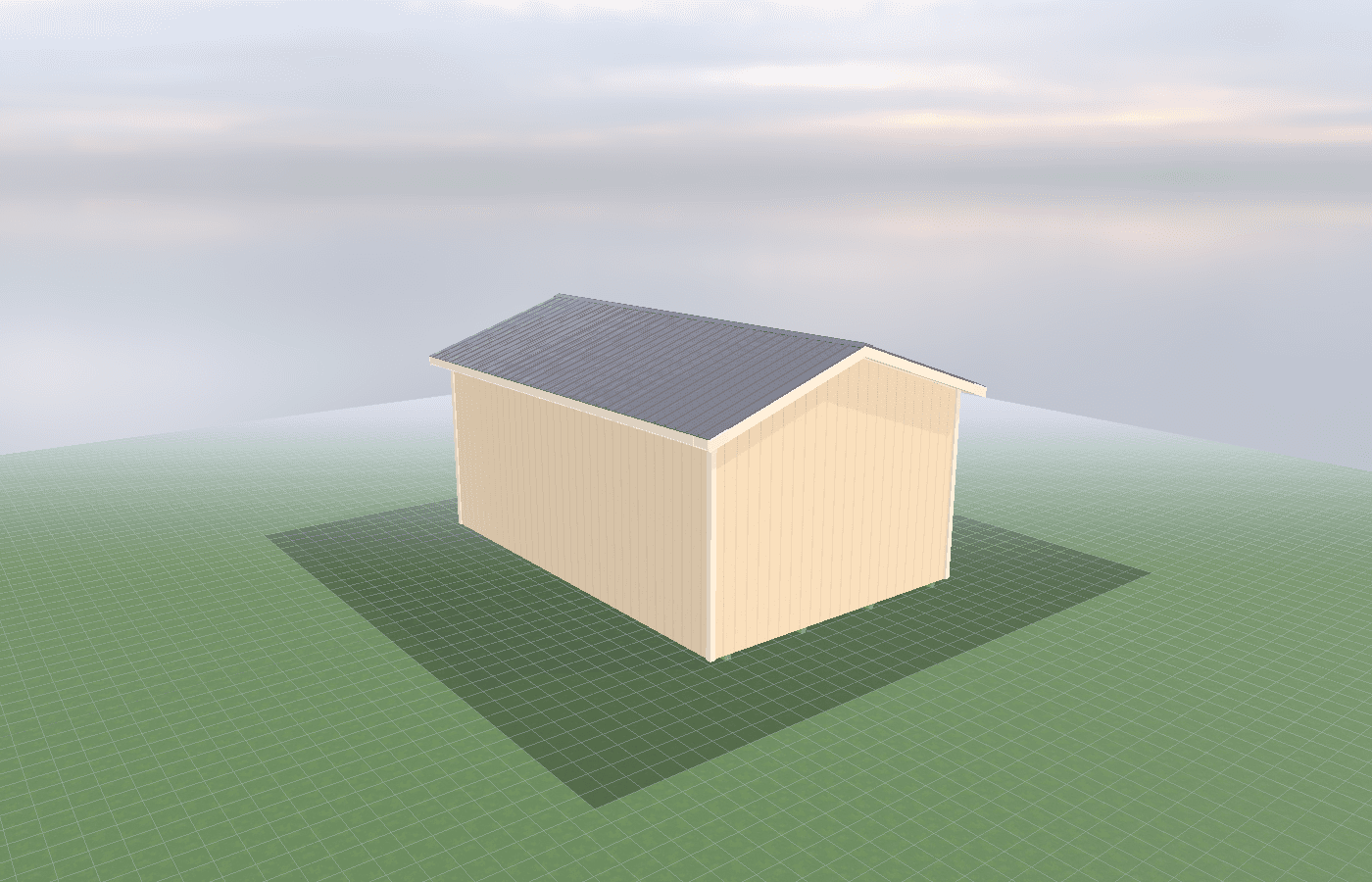
Climate control for maker equipment and materials
A maker shed performs better when the room is planned around what temperature swings and humidity actually do to filament, resin, sheet goods, electronics, adhesives, and precision tools. In North Idaho, climate control is less about luxury than about keeping machines consistent, materials usable, and condensation from quietly damaging the workspace.
Climate Control Maker Equipment in North Idaho
A maker space in North Idaho has two different climate-control jobs at once. It has to keep people comfortable enough to work consistently, and it has to keep equipment and materials stable enough that the work itself does not degrade. Those are not identical goals. A room that feels fine to stand in can still be rough on filament, resin, electronics, plywood, adhesives, or precision machine components if condensation and humidity swings are left unmanaged.
That matters more in a maker shed than in a general workshop because materials react differently. Filament absorbs moisture. Resin and liquid chemicals prefer controlled storage temperatures. Wood sheet goods and jigs move when humidity swings. Electronics and linear motion components do not benefit from repeated freeze-thaw cycles followed by damp shoulder-season air. A generic “it has heat” approach usually does not solve that.
This is why the main maker space shed page leans so hard on envelope quality, power planning, and airflow. A shed that houses CNC tools, 3D printers, assembly benches, and stored materials has to manage dust and heat, but it also has to stay dimensionally predictable. That is where CNC and 3D printer shed planning: power, dust, and noise and workbench-first layouts for small maker spaces become part of the same conversation.
The goal is not to make the room behave like a hospital clean room. It is to reduce the destructive swings. A stable, moderately conditioned room almost always performs better than a maker shed that bakes in summer, freezes in winter, and sweats through the shoulder seasons.
That usually changes how owners think about “enough heat.” Maker spaces often need stable minimums more than occasional maximum comfort. A room that stays dry, moderately warm, and predictable protects both bench work and machine performance better than a shed that is allowed to plunge cold for days and then gets blasted hot only when someone plans to work there.
What size maker shed do you need?
A 10x16 is often the smallest footprint that can support both a working machine zone and a protected storage zone at the same time. If the room is smaller, climate control tends to get dominated by whichever machine or heater is running hardest, and storage ends up too close to the dirtiest or hottest part of the shed.
A 12x16 is often the best all-around option because the extra width gives the room more control. Machines can stay on one wall, material storage can live in a calmer zone, and the mini-split or ventilation path has a better chance of treating the whole space evenly.
A 12x20 becomes the stronger answer when the owner wants separate areas for machine work, bench assembly, and controlled storage for sensitive material. More length also helps if one side of the room gets warmer from machines or solar exposure. The room becomes easier to balance when every function is not stacked shoulder to shoulder.
The sizing question is not just what fits the tools. It is whether the room can protect the materials from the tools. If filament, resins, glues, and precision parts are stored in the same heat plume and dust stream as the most active machine, the shed is too compressed for stable climate behavior.
North Idaho weather and material performance
North Idaho weather punishes inconsistency. Cold snaps, spring dampness, and hot afternoons can all hit the same room within short time windows, especially around Coeur d'Alene and the nearby lake-influenced areas where shoulder-season moisture can linger. That matters because a maker shed is full of materials that remember those swings.
Filament is the most obvious example. Prusa and Bambu both emphasize dry storage and drying support because many common filaments absorb ambient moisture over time. In practical terms, that means a cold damp shed can quietly ruin print quality even if the machine itself still powers on. Wet filament, adhesives stored too cold, and resins held outside their preferred temperature range create frustrating results long before the owner realizes the room is the culprit.
Wood and sheet goods behave differently but just as predictably. MDF, plywood jigs, fixtures, templates, and bench tops all hate repeated humidity spikes. If the room gains moisture overnight and bakes dry the next day, drawers stick, jigs shift, and flat stock becomes less flat. Electronics also suffer indirectly: condensation, fine dust sticking to damp surfaces, and seasonal corrosion all increase when the shed is never really dry.
That is why climate control in a maker shed usually means four layers working together:
- a reasonably insulated shell that slows swings instead of amplifying them
- active heating and cooling, often through a small ductless mini-split, to maintain usable working temperatures
- controlled ventilation and dust management so the room does not trap heat, fumes, or fine particulate
- targeted dry storage for the most sensitive materials, even if the whole room is conditioned
The last point matters. Conditioning the whole room helps, but some materials still deserve their own dry cabinet, sealed tote, or controlled drawer. The room does not have to keep every filament spool or resin bottle in ideal lab conditions if the owner is realistic about which items need an extra layer of protection.
A practical maker-space rule is to separate climate-sensitive inventory from heat-producing equipment. Filament dryers, printers, enclosures, computers, and power supplies create their own microclimates. If the most sensitive material storage sits immediately beside the hottest shelf in the room, the owner ends up working against the same localized temperature and humidity swings even inside an otherwise conditioned shed.
Cost, timing, and build-planning factors
The easiest time to solve climate control is before the first machine arrives. Once the shed already has benches, dust routing, outlets, and storage installed, it becomes much harder to move the indoor head of a mini-split, change vent placement, or give sensitive material a better zone. A maker shed is a classic case of envelope and utility planning paying back more than a later retrofit.
Kootenai County building review and Idaho DOPL trade-permit rules matter here because the comfortable, stable maker shed is usually more utility-heavy than it looks from outside. Added circuits, equipment loads, heaters, ventilation equipment, and sometimes multiple machine zones all raise the planning bar. Kootenai County notes that larger accessory storage structures and some site-disturbance work can require review in county jurisdiction, while Idaho DOPL notes that even with local permits, separate electrical work may still need state permitting.
Timing matters because climate-control mistakes tend to show up only after a season changes. A room that seems fine in dry summer weather can become a filament and rust problem by late fall. A room that feels acceptable during a winter test run can overheat badly once machines and afternoon sun combine in July. That is why many maker-space owners are better off planning for year-round stability from the start instead of solving one season at a time.
It is also worth planning for shutdown periods. Many hobby and side-business maker rooms sit mostly idle for stretches, then ramp up hard again. A shed that only behaves well when someone is actively heating, cooling, and checking it every day is fragile by design. Stable storage conditions between work sessions are often what protect the most expensive tools and materials.
If you want the shell, equipment list, and climate-control plan reviewed together, get a free estimate. A maker shed performs best when the room is designed around the materials as seriously as it is around the machines.
Popular sizes and layouts for maker sheds
A 10x16 works for a compact maker room if the owner limits how much material storage lives in the same zone as the active machines.
A 12x16 is the strongest all-around size for many North Idaho maker sheds because it gives a better split between machine wall, bench wall, and calmer material storage.
A 12x20 becomes the better answer when more climate-sensitive inventory, larger benches, or more than one machine process need to coexist without one dominating the whole room.
The layouts that usually age best are the ones where the most sensitive materials live in the calmest part of the envelope and the hottest, dirtiest, and noisiest work stays confined to its own side of the shed.
That is usually what separates a maker shed that still feels reliable in year three from one that becomes a constant battle of warped stock, moisture-loaded filament, dusty electronics, and seasonal frustration.
Frequently asked questions about maker sheds
What size maker shed works best for climate control for maker equipment and materials?
For many North Idaho buyers, 10x16 and 12x16 are the best starting sizes because they balance usable floor space with realistic placement on the property. We then size up or down based on snow load, storage volume, and how much dedicated work or seating area you need. Compare 10x16 and see 12x16.
What climate control does a maker space shed shed need in North Idaho?
At minimum, insulate to R-19 walls and R-38 ceiling for year-round use. A mini-split heat pump handles heating and cooling efficiently. Add ventilation specific to your use case. Get a free estimate.
Frequently asked questions
What size maker shed works best for climate control for maker equipment and materials?
For many North Idaho buyers, 10x16 and 12x16 are the best starting sizes because they balance usable floor space with realistic placement on the property. We then size up or down based on snow load, storage volume, and how much dedicated work or seating area you need. Compare 10x16 and see 12x16.
What climate control does a maker space shed shed need in North Idaho?
At minimum, insulate to R-19 walls and R-38 ceiling for year-round use. A mini-split heat pump handles heating and cooling efficiently. Add ventilation specific to your use case. Get a free estimate.
Ready to plan your build?
Tell us your site, your dimensions, and the use case. We'll come out and price it.