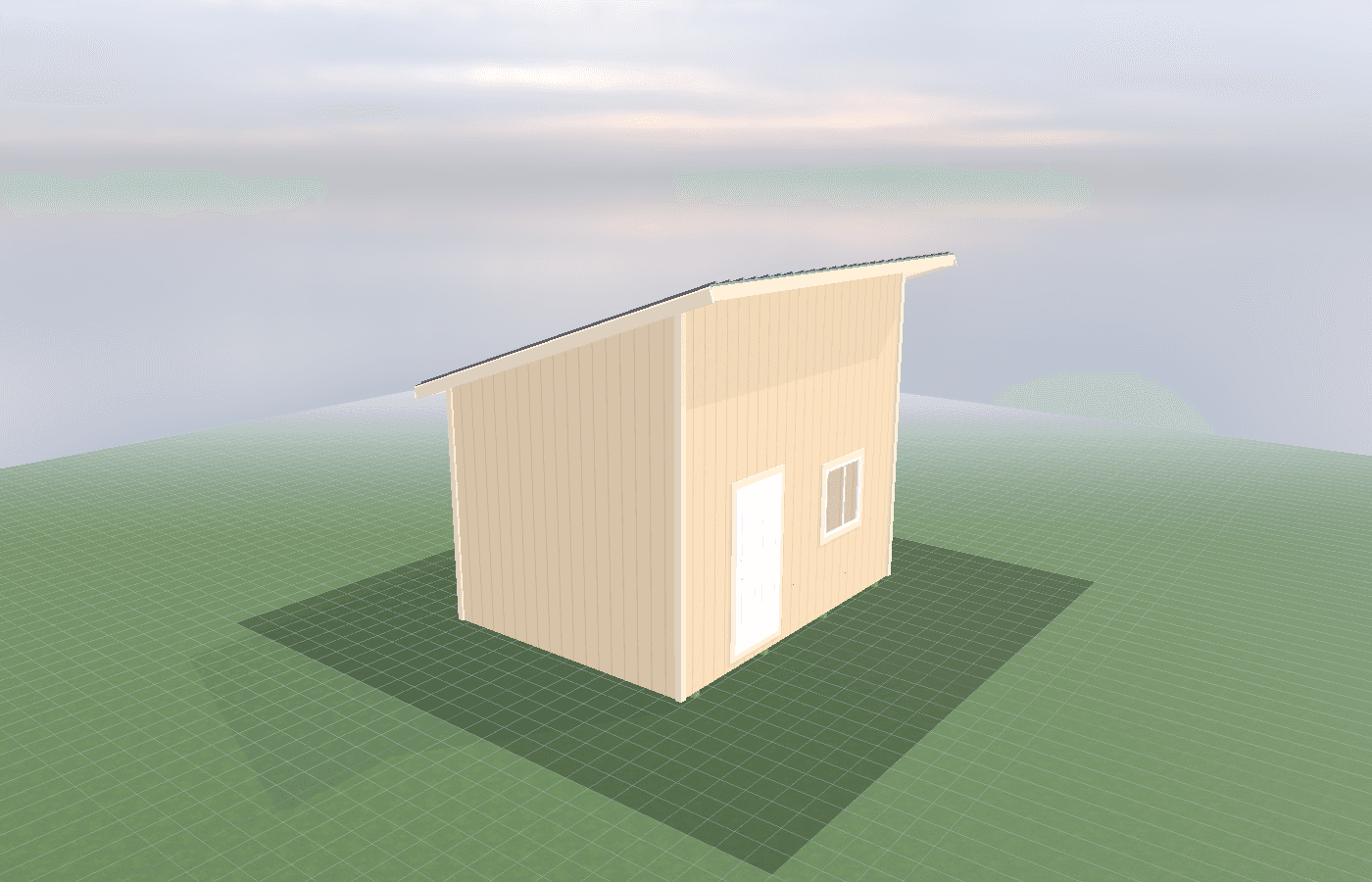
Cold-climate sauna comfort: warm-up time and heat retention
Cold-climate sauna comfort comes from more than heater power. In North Idaho, the room has to warm up in a reasonable time, hold heat once the door opens and closes, and feel balanced from bench level to floor level even when the air outside is well below freezing.
Cold-Climate Sauna Comfort in North Idaho
A comfortable North Idaho sauna is not just a hot room. It is a room that reaches bathing temperature without taking forever, holds that heat once people start moving in and out, and feels stable enough that the upper bench, lower bench, and floor are working together instead of fighting one another. That is what warm-up time and heat retention really measure: how well the whole room is doing its job.
In cold weather, weak sauna design shows up fast. Too much glass, too much unused volume, a poorly insulated shell, or the wrong vent behavior can all stretch warm-up time and make the heater work harder than it should. The room may eventually get hot, but it does not feel efficient or comfortable. Owners then blame the heater when the real issue is often the envelope or layout.
That is why cold-climate comfort belongs in the same conversation as outdoor sauna planning: electric vs wood-fired considerations and insulation and vapor control in saunas: what matters most. Heat retention is not a finish detail. It is the result of the whole sauna system: size, heater match, insulation, venting, door design, and how much non-insulated surface the room is asking the heater to overcome.
Harvia's heater guidance also points to a practical issue that many outdoor sauna buyers miss: a room that is too large for its heater or that has too much non-insulated surface will struggle to perform. In North Idaho, where the starting temperature for many sauna sessions is cold for much of the year, that mismatch becomes obvious. That is why a well-designed sauna shed usually feels better with a balanced shell and right-sized heater than a much larger room trying to brute-force its way to comfort.
Warm-up time is also about routine. A room used several nights a week rewards efficient recovery and predictable behavior much more than a room used once a month. For frequent users, shaving even ten or fifteen minutes off warm-up changes how often the sauna actually gets used through winter.
What size sauna shed do you need?
An 8x8 is often the quickest path to efficient cold-climate comfort. The room volume is manageable, heat-up tends to be faster, and the envelope is easier to keep tight and consistent. For many two-person and small-family sauna users, this size gives the best balance of speed and simplicity.
An 8x10 is often the best all-around answer because it adds bench flexibility and a more relaxed feel without asking the heater to manage dramatically more volume. It is often the sweet spot for owners who want better lounging comfort but still care about warm-up time on a cold night.
An 8x12 becomes worthwhile when the owner truly wants more seating or a more spacious layout, but it asks for more discipline everywhere else. Larger sauna rooms only stay comfortable in North Idaho if the insulation, heater sizing, and layout are all doing their jobs. Otherwise the added volume mostly turns into slower warm-up and more energy use.
The right size is the one that matches how many people really use the sauna most of the time. Oversizing for occasional guests is one of the easiest ways to hurt day-to-day comfort.
That is especially true when the room includes added glass, a larger changing entry, or more bench depth than the heater really needs to serve. Small cold-climate saunas often feel better because less heat is being wasted on space that no one is actually occupying.
Best layouts and features for sauna shed
Cold-climate comfort starts with not wasting heat. That means keeping the heated volume intentional, minimizing unnecessary glass, giving the benches good relationship to the heater and ceiling, and making sure the room is insulated and vapor-controlled like a real sauna rather than a decorative outdoor room.
Features that usually help warm-up time and heat retention include:
- a well-insulated wall and ceiling assembly with proper sauna foil vapor control
- a heater sized for the actual room volume and the penalty of any glass or other non-insulated surface
- bench heights that place bathers in the useful heat zone rather than too low in the room
- a door and entry condition that do not dump more heat than necessary every time someone comes and goes
- ventilation that supports heater performance and drying without turning the room into a constant heat leak
Layout matters because comfort is vertical in a sauna. If the upper bench is too low relative to the room, bathers end up outside the best heat layer. If the room is too tall or too open for its size, the heater may warm a lot of air that nobody is actually using. In a cold-climate outdoor sauna, bench geometry can affect comfort almost as much as the heater choice itself.
Entry behavior matters too. A sauna reached over snow or through a cold exposed deck will inevitably lose some heat at the door. The room should recover from that quickly. Smaller, better-balanced rooms usually do. Oversized rooms with too much exposed surface tend to feel sluggish after each door cycle.
On properties around Coeur d'Alene, where many owners want a sauna with a view, the temptation is often to add more glass than the room can comfortably support. Views are possible, but every added non-insulated surface changes heater demand and warm-up behavior. Cold-climate comfort is often about choosing where to spend that thermal budget.
Bench design matters in the same way. A room may technically reach temperature, but if the upper bench is too low or too short for relaxed use, the owner experiences the sauna as less comfortable even when the heater is working correctly. Warm-up time and retention are only meaningful if the resulting heat is where people actually want to sit.
Cost, timing, and build-planning factors
Faster warm-up and better heat retention are usually cheaper to build into the room than to chase later with a bigger heater. Once the sauna is already built, correcting poor performance can mean replacing glazing choices, changing heater size, reopening wall assemblies, or living with a room that is always less efficient than it should be.
North Idaho site and permitting realities still matter here. Roofs still need to respect 40-60+ psf snow-load expectations, site prep still has to work through freeze-thaw cycles and the usual 24-inch frost-depth discussion, and Kootenai County review may still apply depending on location and jurisdiction. Idaho DOPL also matters when electrical sauna heaters, controls, lighting, or accessory circuits enter the project.
Timing matters because comfort expectations are set early. If the owner imagines a quick-heating, high-retention sauna but the shell and heater were chosen like a generic garden room, disappointment is almost guaranteed. The right time to solve warm-up and heat retention is before the shell volume, glazing, and heater type are locked.
This is also why “just add a bigger heater” is rarely the best answer. Bigger heaters can compensate for some bad choices, but they do not fix heat leaking through glass, oversized volume, poor bench placement, or a shell that never holds onto warmth after the door opens.
If you want the sauna size, heater strategy, and envelope reviewed together, get a free estimate. In cold climates, comfort is usually designed before it is ever experienced.
Popular sizes and layouts for sauna shed
An 8x8 works best for efficient daily-use sauna sessions where quick warm-up and low wasted volume matter most.
An 8x10 is the strongest all-around size for many North Idaho sauna sheds because it gives better bench comfort without sacrificing too much heat-up performance.
An 8x12 becomes the better answer when more seating is truly necessary and the owner is willing to support that larger volume with the right heater, insulation, and layout discipline.
The layouts that usually perform best are the ones that keep the heat where people actually sit, limit unnecessary losses at the door and through glass, and avoid creating more room than the heater needs to serve.
The most comfortable cold-climate saunas are rarely the most dramatic ones. They are usually the ones that feel ready faster, stay even longer, and waste less heat between sessions.
Frequently asked questions about cold-climate sauna comfort
What size sauna shed works best for cold-climate sauna comfort: warm-up time and heat retention?
For many North Idaho buyers, 8x8 and 8x10 are the best starting sizes because they balance usable floor space with realistic placement on the property. We then size up or down based on snow load, storage volume, and how much dedicated work or seating area you need. Compare 8x8 and see 8x10.
What is the most common mistake people make when planning a sauna shed shed for my property?
Underestimating space needs is the most common error. Measure your equipment and add 25-30% for workspace and future growth. In North Idaho, also factor in snow gear and seasonal storage demands. Get a free estimate.
Frequently asked questions
What size sauna shed works best for cold-climate sauna comfort: warm-up time and heat retention?
For many North Idaho buyers, 8x8 and 8x10 are the best starting sizes because they balance usable floor space with realistic placement on the property. We then size up or down based on snow load, storage volume, and how much dedicated work or seating area you need. Compare 8x8 and see 8x10.
What is the most common mistake people make when planning a sauna shed shed for my property?
Underestimating space needs is the most common error. Measure your equipment and add 25-30% for workspace and future growth. In North Idaho, also factor in snow gear and seasonal storage demands. Get a free estimate.
Ready to plan your build?
Tell us your site, your dimensions, and the use case. We'll come out and price it.