Dog wash station planning: plumbing, drainage, and drying
A dog wash room only works when the plumbing, splash control, drainage, and drying routine are planned as one system. In North Idaho, that also means designing for wet winters, freezing temperatures, mud season, and a shed shell that can handle repeated washdown without turning into a damp kennel.
Dog Wash Station Planning in North Idaho
A dog wash station is one of those projects that looks simple until the first cold, muddy week proves otherwise. If the tub is too low, every wash day is hard on your back. If the floor stays wet, the room starts to smell damp. If the drain plan is vague, the station becomes a bucket-and-hose workaround instead of a real grooming space.
The cleanest way to plan the room is to work through the bathing sequence in order:
- Decide where the dog enters and where dirty gear gets dropped.
- Set the tub or raised wash platform where the handler can stand comfortably on both sides.
- Plan hot and cold water, shutoffs, and freeze protection before walls are finished.
- Give wash water a legal, predictable path out of the room.
- Create a drying zone that gets moisture out of the building quickly.
That sequence matters because a dog wash station is not only plumbing. It is also a wet-room layout, a moisture-control problem, and a workflow problem. Idaho plumbing permits and inspections matter once you add real supply and drain work, and Panhandle Health can matter if the property is on septic or the disposal path affects water protection. On the building side, North Idaho weather adds the usual shed realities: snow-load-ready structure, 24-inch frost depth where permanent foundations are involved, and access conditions that can be muddy in spring and icy in winter.
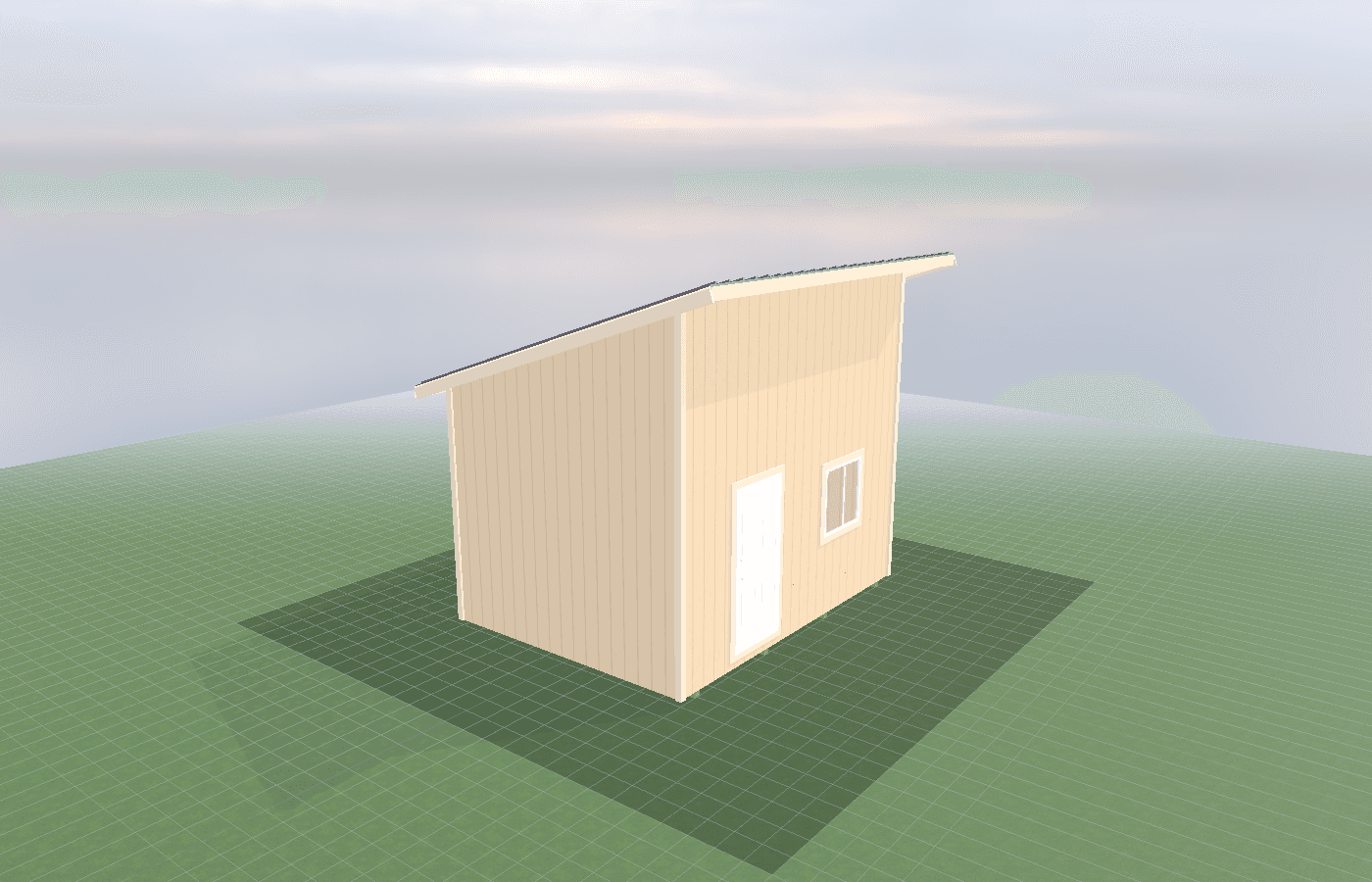
For many owners, the best version of this project lives inside a purpose-built dog kennel shed. That way the wash room, kennel side, grooming storage, and drying strategy can be planned together instead of forcing plumbing into a room that was never meant to stay wet.
What size dog kennel shed do you need?
The right size depends on whether the wash station is the whole job or only one zone inside a larger grooming or kennel room.
An 8x12 is the compact starting point. It can work well when the room needs one raised tub, a small landing zone for towels and shampoos, and just enough circulation for one handler and one dog at a time. This size works best for disciplined storage and a simple plumbing layout.
A 10x12 is usually the strongest all-around answer. It gives enough room to separate the wet side from the drying and supply side, which matters more than people expect once hoses, towels, and muddy paws are involved. A 10x12 can also leave space for a grooming table, crate, or shelving wall without forcing every activity into the wash footprint.
A 10x16 becomes the better answer when the shed needs to handle more than baths. If you want a kennel run entry, grooming storage, a drying area, and a more comfortable handler aisle, the extra length is useful. It also gives the room more recovery space so the entire interior does not feel wet after each wash.
The practical sizing test is simple: after the dog is in the tub, can the handler move, turn, reach supplies, and step out without crossing the wettest part of the room? If not, the room is either too small or the station is in the wrong spot.
It also helps to decide how large the dogs are and how often the station will be used. A compact room might be fine for one medium dog and occasional winter cleanup. It feels very different when the real use case is multiple hunting dogs coming in muddy after a cold day. In that case, extra floor area is not luxury square footage. It is what lets the room stay functional after the first dog instead of becoming a slippery bottleneck.
Site prep and foundation choices
Wash stations magnify every weakness in the floor and site plan. Water finds low spots, mud tracks into the entry, and cold weather punishes any exposed plumbing that was treated as an afterthought.
Start with the site itself:
- Pick a location with clear drainage away from the building, not a low pocket that already holds spring runoff.
- Confirm utility paths before excavation and call 811 before trenching.
- Keep the wash-room entry close enough to the house or yard path that you will actually use it in winter.
- Plan roof runoff and splashback so meltwater is not dumping into the dog entry.
- Make sure vehicles, materials, and plumbing crews can still reach the site during the build.
Foundation choice follows the amount of water the room will see. For light seasonal use, some owners can make a framed floor system work, but it needs honest detailing, protected plumbing, and a plan for waterproof finishes. For frequent washdown, a slab or other hard, drain-friendly floor is often easier to live with because it handles repeated wet use, cleaning chemicals, and direct splash better.
If the station will have a floor drain, think about the whole drain path before the shell is finalized. Many builders aim for a floor that intentionally sheds water toward the drain instead of leaving puddles under the tub or at the doorway. A slightly sloped wet zone, non-slip flooring, washable wall panels, and a curb or transition that keeps runoff where it belongs usually make the room much easier to clean.
This is also where frost depth matters. If the building is getting a permanent foundation or plumbing that passes through the floor or down into the ground, North Idaho's common 24-inch frost-depth assumption changes how the work should be detailed. Supply lines need shutoffs and insulation. Drain routing should be designed so it does not become a freeze point in the coldest part of winter.
Drying deserves equal weight with drainage. EPA moisture guidance is useful here because the principle is simple and durable: control moisture quickly or mold follows. A dog wash station should have a real exhaust path, a way to move damp air out, and finishes that can dry back down. That is why related planning from heated dog kennel sheds: keeping hunting dogs warm and dry in winter and cold weather pet shelter basics: airflow, insulation, and cleaning belongs in this conversation too.
A few material choices usually pay off:
- a raised tub height that saves the handler's back instead of forcing constant bending
- non-slip flooring that tolerates repeated wet cleaning
- wall surfaces that can be sprayed and wiped down without swelling
- GFCI-protected outlets for dryers and grooming tools in the dry side of the room
- hooks, shelves, and towel storage that keep wet gear off the floor
Cost, timing, and build-planning factors
Dog wash rooms get expensive when the owner discovers late that the plumbing, floor, and drying side need more than a standard utility shed package. The shell itself is only part of the cost. Water supply, drainage, wall protection, ventilation, hot-water strategy, and freeze protection are what usually move the number.
A good planning order looks like this:
- Decide whether the room is only a wash station or a combined kennel and grooming shed.
- Choose the smallest size that leaves a true wet side and a true dry side.
- Resolve plumbing entry, drain disposal, and hot-water strategy before finishes are chosen.
- Choose flooring and wall finishes based on repeated washdown, not appearance alone.
- Add cabinetry, grooming upgrades, or storage only after the wet-room logic works.
Timing matters because trenching, floor drains, and utility placement are easier before the final pad or slab is complete. Around Coeur d'Alene, neighborhood constraints can also matter. Some lots have tighter side-yard access, some have HOA review, and some make drainage routing more important because the building sits close to the house or other finished surfaces.
Season matters too. Spring mud can make site work slower. Mid-winter plumbing work can be harder on long utility runs. If the dog wash room is part of a larger kennel build, it is usually best to solve the utility and moisture details before interior storage decisions. Owners who do that end up with a room that actually dries out and stays pleasant to use.
If you want the plumbing, washdown surfaces, and drying routine planned around your lot instead of guessed after the shed is framed, get a free estimate before the footprint is locked.
Popular sizes and layouts for dog kennel sheds
An 8x12 works best when the room is mainly a compact bathing station with disciplined storage and one efficient workflow.
A 10x12 is the strongest all-around layout for many North Idaho buyers because it gives enough room to separate washing from drying and supply storage.
A 10x16 is the upgrade choice when the shed is doing double duty as a kennel, grooming, and wash room with more than one activity happening inside the same shell.
Across all three sizes, the best layout keeps the tub on the wet side, the dryers and towels on the dry side, and the handler out of standing water. That is the difference between a room you tolerate and a room you keep using for years.
Frequently asked questions about dog wash station planning
What size dog kennel shed works best for dog wash station planning: plumbing, drainage, and drying?
For many North Idaho buyers, 8x12 and 10x12 are the best starting sizes because they balance usable floor space with realistic placement on the property. We then size up or down based on snow load, storage volume, and how much dedicated work or seating area you need. Compare 8x12 and see 10x12.
Can I add a dog wash station with plumbing to a kennel shed?
Yes — plan for hot and cold water supply, a raised tub with a sprayer, and a floor drain. In North Idaho, insulate supply lines and drain pipes to prevent freezing in winter. See dog kennel options.
Frequently asked questions
What size dog kennel shed works best for dog wash station planning: plumbing, drainage, and drying?
For many North Idaho buyers, 8x12 and 10x12 are the best starting sizes because they balance usable floor space with realistic placement on the property. We then size up or down based on snow load, storage volume, and how much dedicated work or seating area you need. Compare 8x12 and see 10x12.
Can I add a dog wash station with plumbing to a kennel shed?
Yes — plan for hot and cold water supply, a raised tub with a sprayer, and a floor drain. In North Idaho, insulate supply lines and drain pipes to prevent freezing in winter. See dog kennel options.
Ready to plan your build?
Tell us your site, your dimensions, and the use case. We'll come out and price it.