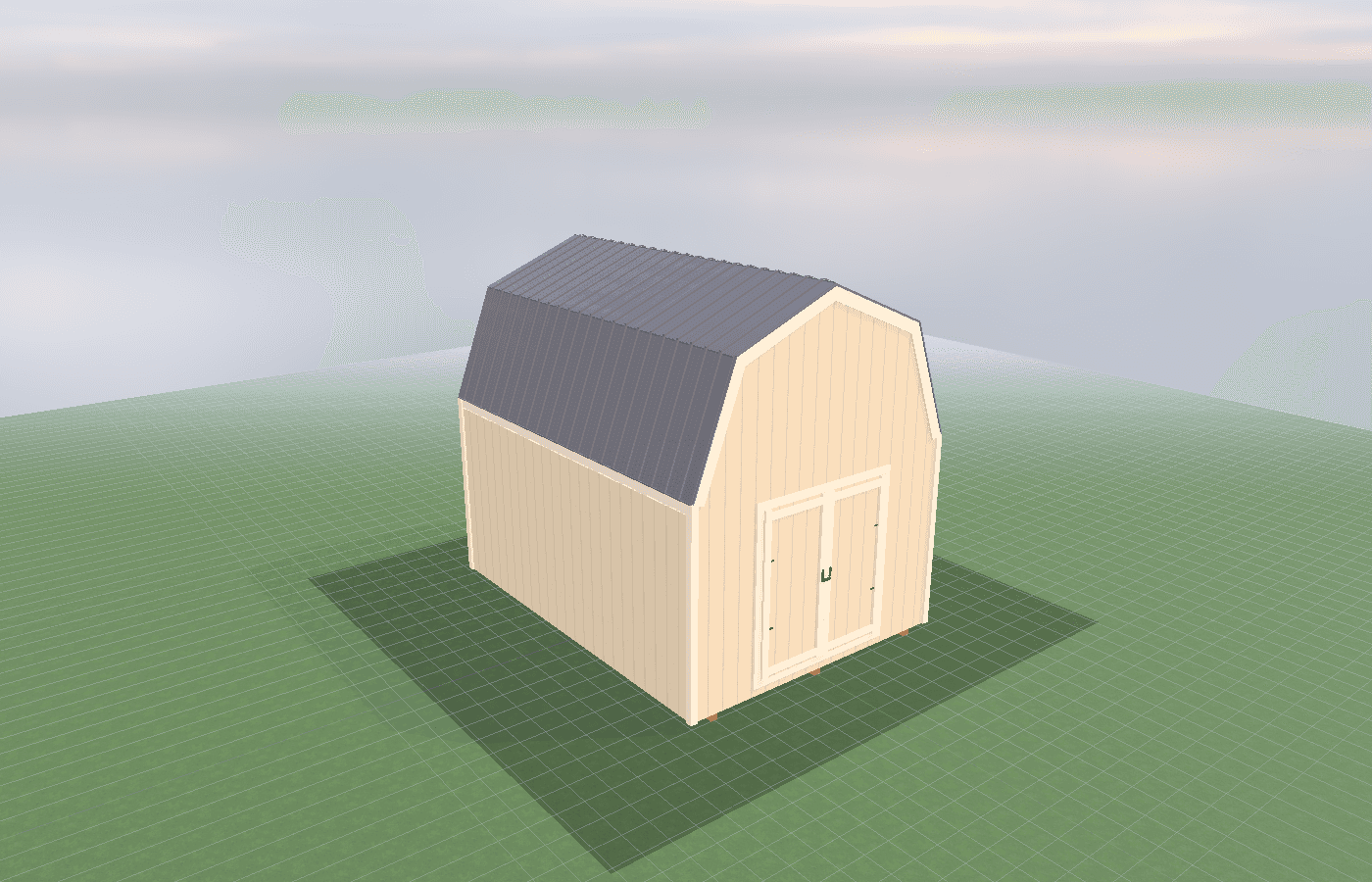
Ice fishing vs summer fishing storage: what changes?
The same shed can handle summer and ice gear, but not with the same layout all year. North Idaho anglers need a room that can rotate heavy floor gear forward in fall and push lighter rod-and-tray storage back to the walls when winter takes over.
Ice Fishing Summer Fishing in North Idaho
Summer fishing storage and ice-fishing storage are not two versions of the same room. Summer gear is usually longer, lighter, and easier to hang on the wall. Ice gear is bulkier, heavier, and much more floor-hungry. If the shed is organized like one season all year long, the other season will always feel cramped.
That is why a dedicated fishing tackle shed should be planned as a rotating layout. In North Idaho, the best rooms are not static trophy closets. They are seasonal workspaces that change posture as the fishing calendar changes.
Around Bayview and the wider panhandle, that seasonal shift is real. Summer may prioritize rods, trays, landing nets, and lighter outerwear. As winter approaches, augers, sleds, shelters, tip-ups, heavier boots, and bulkier clothing start competing for the same space. The room either supports that transition or turns into a pileup.
The practical goal is not to create two entirely separate sheds. It is to give one shed the flexibility to move the right gear forward when the season changes, without sacrificing access or damaging equipment.
What size fishing tackle shed gives you enough usable room?
An 8x10 can work for an angler with a disciplined seasonal swap and a relatively lean collection. It usually requires rods on the wall, active trays in one compact counter zone, and winter gear limited to the essentials.
An 8x12 is often the better all-around answer because it gives floor space for a temporary winter-forward layout without completely destroying the rest of the organization. This size makes seasonal changeover less punishing.
A 10x12 is the stronger choice when the shed has to support serious winter crossover, multiple users, or both open-water tackle and ice systems at the same time. The extra width helps keep heavier floor gear near the door while preserving a usable prep area deeper in the room.
The right size is the one that still has a functional aisle after the winter gear comes forward. If the room only works in July and becomes impossible in December, the footprint or zoning is wrong.
Best layouts and features for fishing tackle sheds
Summer storage favors walls and upper zones
Open-water fishing gear usually stores well on walls and in drawers. Rods, tackle trays, leader spools, landing nets, and lighter rain gear can all live vertically or in bench-height systems that keep the floor relatively open. That is why summer layouts often feel efficient even in smaller sheds.
Summer gear also benefits from a clearer prep counter because rigging, respooling, and tray swaps happen more often. Good light and quick access matter more than floor staging.
Winter storage favors floor access and front-of-room priority
Ice-fishing gear changes the room because it includes heavier and bulkier items: augers, sleds, shelters, buckets, scoops, and sometimes heaters or extra clothing systems. These pieces are not happiest on delicate upper racks. They want stable floor or low-wall positions, ideally near the door.
That argues for a seasonal shift every fall. Heavy winter gear should move toward the front or easiest-access side of the shed so the owner is not dragging it past the rod wall every time. Summer rods and lighter tackle can then slide deeper into the room or onto the less prime wall.
Treat the room like a rotating zone map
The strongest layouts use fixed zones and rotating occupants. One wall stays the rod wall. One part of the floor stays the "heavy gear" zone. One section of the counter stays active prep space. What changes by season is which exact items occupy those zones.
That approach keeps the room legible. Owners are not inventing a new system every November. They are simply moving specific gear groups into predefined positions.
Building a tackle room: storage systems anglers actually use is helpful here because the room still needs a stable base system underneath the seasonal shift. And keeping lures, line, and soft plastics organized by season shows how smaller tackle categories should rotate with the calendar too.
Keep damp and dirty winter gear from contaminating the whole room
Ice gear often comes back wetter and dirtier than people expect. Slush, grit, and wet outerwear can make a clean tackle room miserable fast if the shed does not have one easy-clean intake or drip area. Even a simple mat zone and a place to hang jackets or bibs can protect the rest of the room.
This is another reason winter layouts need floor discipline. If the heaviest, wettest items come in and immediately block the aisle, the room becomes harder to reset and easier to neglect.
Hardware needs change with the season too
Summer storage usually wants more rod separation, tray access, and line organization. Winter storage wants stronger hooks, lower shelves, more open floor, and room for dense, awkward gear. The best shed can support both without being overbuilt in either direction.
In practical terms, that often means fewer decorative cabinets and more durable open systems: wall cleats, strong utility hooks, labeled bins, and a counter that can serve both fine tackle work and heavier seasonal changeovers.
Cost, timing, and build-planning factors
Seasonal-flexible storage usually costs a little more because it needs better zoning, stronger wall backing, and more intentional floor planning. But that is usually cheaper than discovering later that the room only works for one half of the fishing year.
Timing matters because the room should be planned around the hardest season, not the easiest one. It is simple to design a shed that looks good with summer rods on the wall. The better test is whether it still works once an auger, sled, winter boots, and heavier clothing move in.
North Idaho build factors still frame the project. The shell has to be ready for regional snow loads, the site should still be workable through shoulder seasons, and the foundation discussion still lives in the usual frost-depth reality. If the room is hard to approach in winter, the best interior layout in the world will not fix that.
Local permitting belongs in the conversation too. Kootenai County's permit page and Bonner County's planning FAQ both make clear that detached storage structures move into more formal review as size, permanence, and utility scope increase. If the project is edging upward in footprint or finish level, factor that in early.
For rough budget tradeoffs between a tighter seasonal room and a slightly larger one, the pricing page is the right starting point.
One more useful planning rule is to keep the fall changeover simple enough that it actually happens in an evening. If the summer system has to be completely dismantled before ice gear can come inside, the shed is too rigid. Better rooms let the owner slide rod tubes and lighter trays to the back wall, move the heavier winter bin set forward, and still keep one clear counter section open for flashers, tackle maintenance, or quick pre-trip prep.
Popular sizes and layouts for fishing tackle sheds
An 8x10 works best for one angler who is willing to do a real fall swap and keep only essential winter gear in the room. It can be efficient, but it has little tolerance for clutter.
An 8x12 is the most balanced option for many properties because it gives enough room to move winter gear forward without completely swallowing the active prep zone. This is often the best choice for anglers who use the room seriously in both seasons.
A 10x12 is the stronger answer when the collection is bigger, the household has multiple anglers, or the winter gear is too bulky to keep shuffling around. It supports a more forgiving aisle and a cleaner split between the rod wall, the prep counter, and the heavy floor zone.
The best layout is the one that makes the seasonal transition fast. If the owner can reset the room in a short fall changeover instead of a full reorganization, the shed is doing exactly what it should.
The same logic helps again in spring. Once the sleds and augers move out, the room should be able to bring rods, tackle trays, and lighter rain gear forward without rebuilding the whole system from scratch. A good seasonal shed feels like it has two operating modes, not two unrelated storage problems.
Frequently asked questions about ice fishing summer fishing
What size fishing tackle shed works best for ice fishing vs summer fishing storage: what changes?
For many North Idaho buyers, 8x10 and 8x12 are the best starting sizes because they balance usable floor space with realistic placement on the property. We then size up or down based on snow load, storage volume, and how much dedicated work or seating area you need. Compare 8x10 and see 8x12.
What changes between summer and ice fishing tackle storage?
Ice fishing gear — augers, tip-ups, sleds — needs floor space and is heavier. Transition your shed layout in fall: move ice gear forward, summer rods to back racks. See tackle shed options.
Frequently asked questions
What size fishing tackle shed works best for ice fishing vs summer fishing storage: what changes?
For many North Idaho buyers, 8x10 and 8x12 are the best starting sizes because they balance usable floor space with realistic placement on the property. We then size up or down based on snow load, storage volume, and how much dedicated work or seating area you need. Compare 8x10 and see 8x12.
What changes between summer and ice fishing tackle storage?
Ice fishing gear — augers, tip-ups, sleds — needs floor space and is heavier. Transition your shed layout in fall: move ice gear forward, summer rods to back racks. See tackle shed options.
Ready to plan your build?
Tell us your site, your dimensions, and the use case. We'll come out and price it.