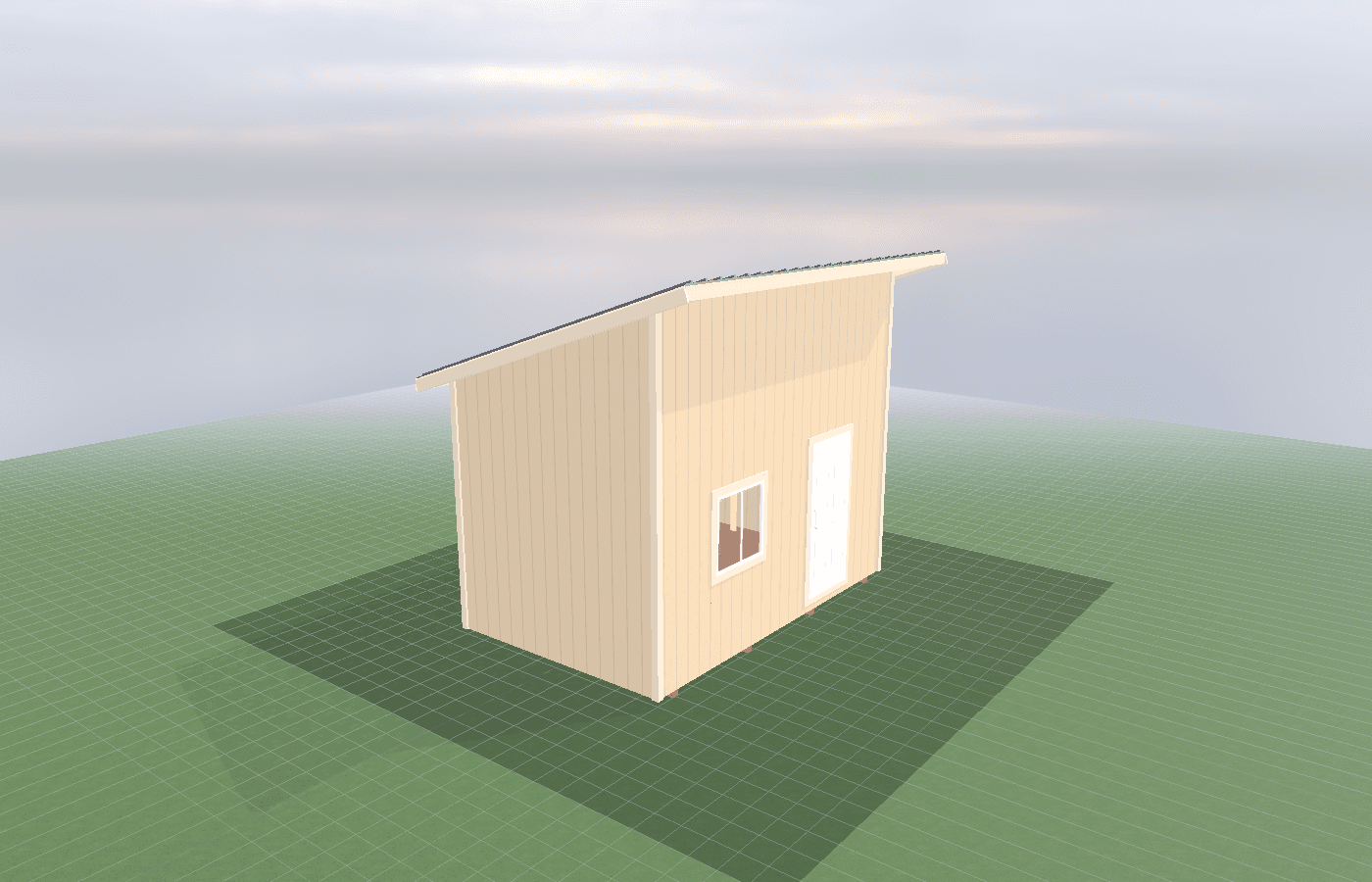
Preventing mold: ventilation strategies for wet potting areas
Wet potting areas create exactly the kind of indoor moisture cycle that can lead to mold if the room stays damp too long. In North Idaho, preventing that is less about one miracle fan and more about controlling splash, giving the space real airflow, and choosing a shell that can dry instead of trapping moisture in cold corners and absorbent finishes.
Preventing Mold Ventilation in North Idaho
Mold prevention in a potting shed begins with one basic truth: wet work creates wet air. Watering trays, rinsing containers, washing hands, cleaning tools, and carrying wet soil or boots into the room all add moisture. If that moisture lingers on surfaces or in the air, the room starts building exactly the conditions mold likes.
EPA guidance is very direct on this point. The key to mold control is moisture control. Wet materials should be dried promptly, ventilation should help move moisture out, and damp areas should not be allowed to stay damp for days. In a potting shed, that guidance translates into layout, shell, and use habits rather than just a last-minute exhaust fan.
This matters especially on North Idaho garden properties around Athol, where potting work often overlaps with cool weather, muddy entries, and shoulder-season use. A room can stay damp longer simply because outdoor temperatures do not help it dry quickly. That is why this guide ties directly to potting shed must-haves: sink, counters, and storage layout and winter potting shed: what can and can't stay out there. Ventilation only works when the room itself is arranged to dry.
The real goal is not to create a perfectly sterile space. It is to create one where wet work can happen repeatedly without leaving behind persistent damp surfaces, musty odors, or hidden moisture in the same corners week after week.
That is why hidden areas matter so much. The first trouble spots are often behind stacked pots, under lower shelves, beside cold exterior walls, or in the corners where damp cardboard and bagged amendments sit untouched. If the room cannot be inspected and dried easily, minor moisture cycles can stay invisible until odor or staining appears.
How does shed size affect heating and airflow?
Size changes moisture behavior because it changes air volume, surface area, and how easily the wettest activities can be separated from the rest of the room. An 8x8 is large enough for a compact wet-work area, but it needs a disciplined layout because every sink, tray, and wet bin affects a larger percentage of the total room.
An 8x10 or 8x12 can be easier to ventilate well because there is more room to create distance between the rinse area and the drier storage wall. That extra space also helps keep bags, paper labels, gloves, and other mold-prone materials out of the splash zone.
Bigger is not automatically safer, though. A larger room with poor airflow and too many absorbent finishes can still stay damp and stale. The value of additional size is that it creates more opportunities for zoning and better air movement, not that it magically fixes moisture problems.
The right size is the one that lets wet work happen in one predictable area while the rest of the shed remains easier to dry and easier to monitor. If the whole room becomes the wet zone, the room is asking for trouble.
More room also makes it easier to keep absorbent items elevated off the floor and away from splash zones. That does not sound dramatic, but it is often the difference between a room that dries after watering day and a room that keeps feeding the same damp corner.
Systems planning for potting sheds
Moisture control starts with good habits and surface choices
EPA moisture guidance emphasizes drying wet surfaces quickly. In a potting shed, that means counters and floors that can be wiped down, bins that do not trap puddles indefinitely, and finishes that do not soak up splashes the way particle board, fabric, or unprotected wood can.
Ventilation should move damp air out, not just stir it around
Simply moving air inside the room is not always enough. The shed needs a path for humid air to leave and for replacement air to enter. That can involve operable windows, a well-placed exhaust strategy, or a combination of passive and mechanical approaches depending on the room use. The best plan is the one that matches the actual wetness of the space instead of assuming every potting shed behaves the same.
Air sealing and insulation still matter
Cold surfaces encourage condensation. EPA guidance points out that moisture problems can be reduced by lowering humidity, improving ventilation, or raising surface temperature. In practical shed terms, that means air sealing and insulation are part of mold prevention, especially if the room is used in cool seasons when surfaces can otherwise stay cold and damp.
Storage layout is part of mold prevention
Wet potting rooms fail faster when bags, cardboard, and fabric items are stored right against damp walls or directly beside the wettest work area. Good storage layout keeps mold-prone materials on the drier side of the room and allows enough visibility that hidden damp spots do not go unnoticed.
After-use routines matter just as much as hardware. Opening windows, running the exhaust long enough to clear damp air, emptying standing water from trays, and wiping the wettest counter edges can prevent the slow accumulation that eventually smells like a building problem. Ventilation strategy should support habits the owner will actually follow.
Cost, timing, and build-planning factors
Cost is usually driven by the ventilation strategy, moisture-tolerant finishes, and whether the shed also needs insulation, light climate control, or plumbing support. The right mold-prevention upgrades are often cheaper than repairing damaged shelving, stained walls, or chronic musty smell later.
Timing matters because the best drying strategy is built into the shell. Window placement, exhaust location, sink position, and the choice of finish materials all work better when chosen before the room is fully trimmed out. Retrofitting better air movement after mold or odor appears is possible, but it is rarely the cheapest route.
Site conditions also matter. Shade, tree cover, snowpack, and how much sun reaches the building all affect how easily the shed dries. A potting room tucked into a cooler, damper corner of the property needs a more honest moisture plan than a room with stronger solar exposure and more natural air movement.
Orientation can help or hurt. Morning sun, cross-breeze exposure, and an entry that does not funnel snowmelt straight inside all improve drying potential. Deep shade, blocked airflow, and a wet path to the door raise the burden on the interior ventilation plan.
If you want the wet-work side of the shed designed to dry predictably instead of stay damp by habit, request a free estimate before the ventilation and layout choices are improvised. Moisture control is easiest when it is part of the original shed design.
Popular sizes and layouts for potting sheds
For many owners, 8x8 is enough if the wet area stays compact and the storage stays disciplined. An 8x10 or 8x12 becomes more attractive when the shed needs more tray handling, more wash-up space, or better separation between wet and dry functions.
The strongest layouts keep the sink and rinse zone near the easy-clean side of the room, preserve one drier storage wall, and make it easy to open the room up or exhaust humid air after use. The more obvious that drying routine feels, the more likely it is to happen consistently.
Raised shelves, slatted drying racks, and containers that do not seal moisture against the wall are small choices with outsized payoff. The more the room encourages airflow around stored items, the less likely it is that dampness becomes permanent background conditions.
A mold-resistant potting shed is rarely the fanciest one. It is the one that sheds water, dries quickly, and lets the owner see problems early instead of discovering them after a damp spell has already settled in.
In practice, the best rooms make drying the default outcome. When the wet side is easy to clean, the dry side stays protected, and the ventilation path is obvious, the shed is far less likely to drift into the kind of chronic moisture problem that gets expensive to unwind. The room should recover from wet work quickly enough that yesterday's watering does not still define today's conditions. If dampness keeps carrying over from one use to the next, the ventilation and layout plan still needs work. Small, repeated moisture leftovers are usually the warning sign that mold gets before the owner does. Pay attention early.
Frequently asked questions about potting sheds
What size potting shed works best for preventing mold: ventilation strategies for wet potting areas?
For many North Idaho buyers, 8x8 and 8x10 are the best starting sizes because they balance usable floor space with realistic placement on the property. We then size up or down based on snow load, storage volume, and how much dedicated work or seating area you need. Compare 8x8 and see 8x10.
What climate control does a potting shed shed need in North Idaho?
At minimum, insulate to R-19 walls and R-38 ceiling for year-round use. A mini-split heat pump handles heating and cooling efficiently. Add ventilation specific to your use case. Get a free estimate.
Frequently asked questions
What size potting shed works best for preventing mold: ventilation strategies for wet potting areas?
For many North Idaho buyers, 8x8 and 8x10 are the best starting sizes because they balance usable floor space with realistic placement on the property. We then size up or down based on snow load, storage volume, and how much dedicated work or seating area you need. Compare 8x8 and see 8x10.
What climate control does a potting shed shed need in North Idaho?
At minimum, insulate to R-19 walls and R-38 ceiling for year-round use. A mini-split heat pump handles heating and cooling efficiently. Add ventilation specific to your use case. Get a free estimate.
Ready to plan your build?
Tell us your site, your dimensions, and the use case. We'll come out and price it.