Airflow vs snow protection: woodshed design tradeoffs
A woodshed in North Idaho has to breathe enough to dry wood and close up enough to keep winter weather from ruining it. The right design is not fully open or fully enclosed. It is a deliberate compromise between airflow, roof protection, drifting snow, and the way the stack is actually accessed in bad weather.
Airflow vs Snow Protection in North Idaho
The biggest woodshed design mistake is treating airflow and weather protection like they can both be maximized at the same time without tradeoffs. They cannot. A fully open rack may dry wood quickly in the right season but leave the stack exposed to drifting snow, roofless wetting, and splashback. A tightly enclosed building may look protective but trap moisture and slow seasoning. A good firewood shed is built around that tension from the start.
EPA's archived Burn Wise storage guidance is a good starting reference because it recommends keeping wood off the ground, using a roof with meaningful overhang, and giving the stack enough protection from rain and snow while still allowing it to season. In practical North Idaho terms, that means the roof and the floor are doing as much work as the walls. Snow load, wind exposure, and the direction from which the worst weather hits the stack should shape the shed more than aesthetic preferences do.
The best woodsheds often look deceptively simple. They are open enough to breathe, elevated enough to stay drier, and roofed enough to keep constant rewetted conditions from developing. That balance changes by site. A sheltered in-town lot may tolerate a more open face. A rural exposure with drifting winds and heavier snow may need deeper overhangs, tighter side protection, or a different orientation entirely.
This is especially true around Athol, where lot exposure varies a lot and winter snow management still has to work in real life. The right choice is rarely "most open" or "most enclosed." It is the one that keeps wood seasonable, reachable, and less likely to be buried or repeatedly soaked.
If you are still working through storage capacity, pair this guide with how much firewood storage do you need? cords explained. If pests are the bigger concern, read firewood pests: how to store wood without inviting rodents. The right woodshed solution always has to juggle volume, weather, and housekeeping together.
A helpful rule is that wood should stay protected from the weather event you actually get, not the weather event you imagine. In many North Idaho yards, that means planning for sideways snow, spring splash, and plow berms rather than only for gentle rainfall and summer airflow.
When does shed size change snow-load design?
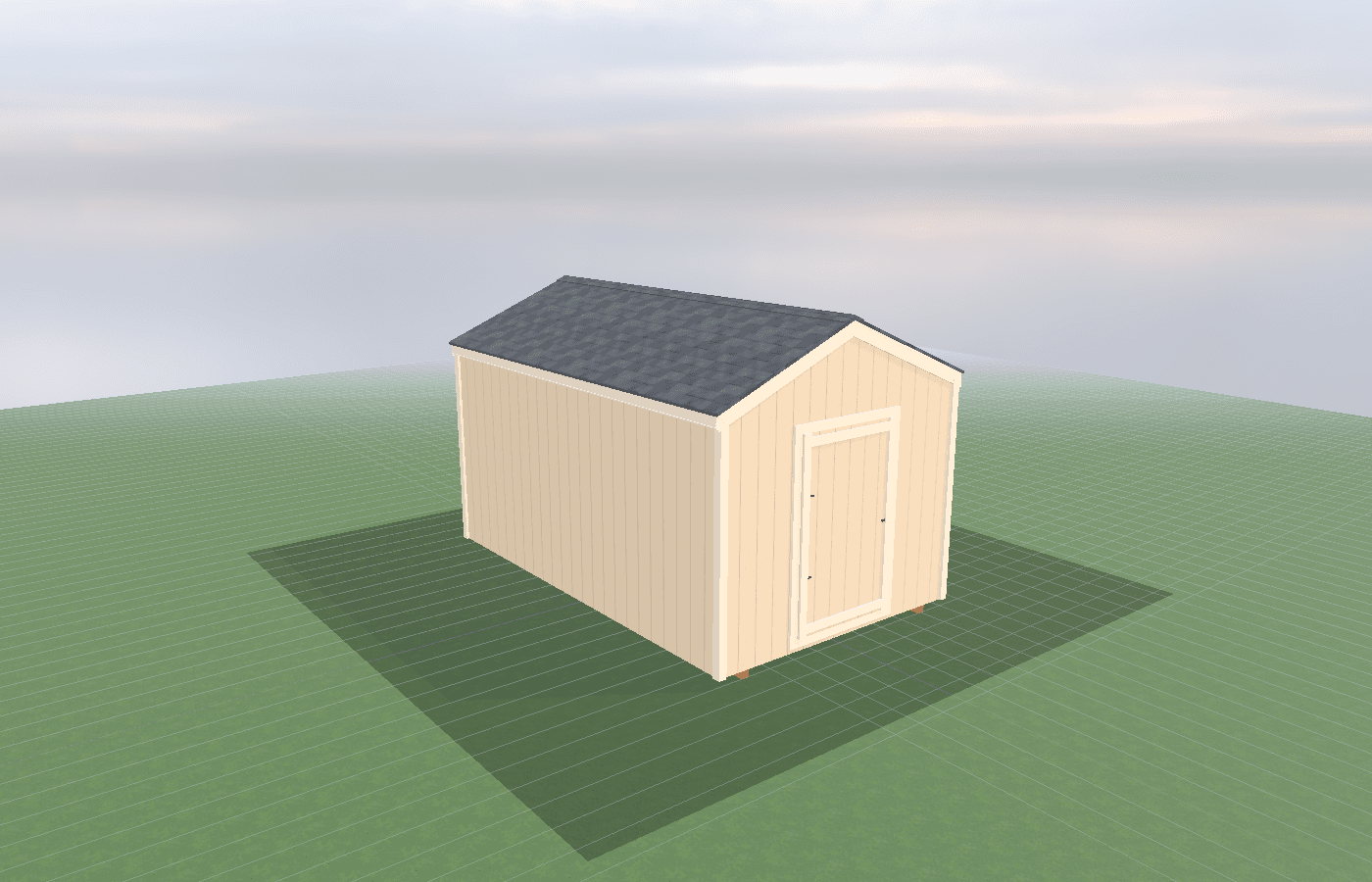
Size starts to matter more as spans widen, roof area increases, and the building carries more opportunity for drifting or uneven loading. A 6x8 is still a real structural roof in North Idaho, but it is easier to keep simple because the span and roof surface are modest.
An 8x8 often becomes the point where details like overhang depth, opening width, and exposure direction begin to affect both structure and performance more noticeably. With a slightly larger roof and more stack width beneath it, the shed has more to protect and more surface area to catch drifting behavior.
An 8x10 pushes the conversation further because the roof starts to behave more like a true small-building roof rather than a minimal rack cover. That is where orientation and site exposure need a closer look. A design that works well tucked near another structure may behave very differently in an open yard with winter wind.
The right size is not only the one that holds enough wood. It is the one whose snow-load demands, overhangs, and access pattern still make sense for the site. Bigger is often useful, but only if the roof and the approach can support that size honestly.
North Idaho weather and material performance
Weather affects the woodshed from every direction. Moisture comes from above as snow or rain, from below as ground contact and splash, and from the side as wind-driven precipitation. That is why woodshed performance depends on the whole shell working together instead of on one feature doing all the labor.
Roof pitch and overhang do the first major job. A shed that drops water too close to the stack or allows drifting snow to pile directly into the front bay will keep rewetted wood in circulation longer than it should. But if the structure closes the sidewalls too aggressively, airflow drops and the stack dries more slowly.
Material choice matters too. Roofs need to shed weather reliably. Floor systems and supports need to tolerate repeated heavy loads from stacked wood. Open slat areas should stay durable enough to handle long-term exposure while still preserving airflow. None of that has to be fancy, but it does have to be intentional.
The stack itself is part of the weather strategy. EPA's storage guidance recommends splitting before stacking and using a base to keep wood off the ground. Those practices make the structure more effective because they help moisture leave the wood and reduce wicking from below. In other words, woodshed design is partly architecture and partly firewood discipline.
Snow protection also has a human side. A shed that technically protects the stack but forces awkward shoveling, tight reaches, or a slippery carry path will be less useful when winter is at its worst. Usability is part of performance.
That is one reason the front opening and approach path deserve as much thought as the roof profile. If the owner has to shovel a tunnel just to reach the driest wood, the design has not really balanced protection and access.
Cost, timing, and build-planning factors
Woodshed cost usually moves with footprint, structural roof demands, base condition, and how much overhang or side protection the site really needs. It is easy to underestimate how much of the value sits in the roof behavior alone. A small adjustment in orientation or overhang can improve performance more than an extra decorative wall treatment ever will.
Timing matters because a woodshed should ideally be planned before the first big delivery or before the next heating season exposes the same tarp problem again. If the shed is going in after snow season, that is often the best time to look honestly at how meltwater moved, where drifts formed, and which parts of the property stayed reachable.
Kootenai County's building guidance is another reason to plan early. Building requirements depend on size, site work, and whether the structure sits in county jurisdiction, so owners should not treat layout and permitting as separate conversations. A woodshed that looks simple still benefits from the right siting, drainage, and roof planning before it is framed.
If you want help matching roof protection, openness, and lot exposure instead of guessing at the compromise, get a free estimate. Most poor woodshed performance comes from a bad tradeoff chosen too casually, not from one missing premium feature.
Popular sizes and layouts for firewood sheds
A 6x8 works best when the goal is a compact woodshed with simple roof behavior and modest storage demand. It can perform very well if it is oriented correctly and kept off the wet ground.
An 8x8 is often the most balanced size for homeowners who want more usable frontage while still keeping the roof and snow behavior relatively manageable. It is small enough to site easily and large enough to matter.
An 8x10 is the size where weather planning becomes more visibly important. It offers more practical storage and access, but it also asks more from the roof, the site, and the winter approach path.
The best layout is the one that gives the wood enough air to season, enough cover to avoid constant rewetted conditions, and enough winter access that the owner actually uses the structure the way it was intended.
When those three things stay in balance, even a modest woodshed performs far better than a larger structure that chose one side of the tradeoff too aggressively.
The shed does not have to be elaborate. It has to be honest about the site. That honesty is what keeps the wood drier and the winter routine simpler.
That is the tradeoff worth paying attention to, especially before the first heavy snow arrives. Once winter starts showing you the real drift and melt pattern, the best woodshed decisions are the ones that were made with that reality in mind. Good siting saves a lot of frustration.
Frequently asked questions about airflow vs snow protection
When does shed size start changing snow-load planning for a firewood shed in North Idaho?
Once spans get wider and the roof carries more drifting potential, size starts to matter a lot more for truss design, pitch, and door placement. Comparing a 6x8 shed to a 8x8 shed is often the point where structure, overhangs, and site exposure need a closer look. See 6x8 and compare 8x8.
What is the most common mistake people make when planning a firewood shed shed?
Underestimating space needs is the most common error. Measure your equipment and add 25-30% for workspace and future growth. In North Idaho, also factor in snow gear and seasonal storage demands. Get a free estimate.
That is where a good woodshed earns its keep. In practice.
Frequently asked questions
When does shed size start changing snow-load planning for a firewood shed in North Idaho?
Once spans get wider and the roof carries more drifting potential, size starts to matter a lot more for truss design, pitch, and door placement. Comparing a 6x8 shed to a 8x8 shed is often the point where structure, overhangs, and site exposure need a closer look. See 6x8 and compare 8x8.
What is the most common mistake people make when planning a firewood shed shed?
Underestimating space needs is the most common error. Measure your equipment and add 25-30% for workspace and future growth. In North Idaho, also factor in snow gear and seasonal storage demands. Get a free estimate.
Ready to plan your build?
Tell us your site, your dimensions, and the use case. We'll come out and price it.