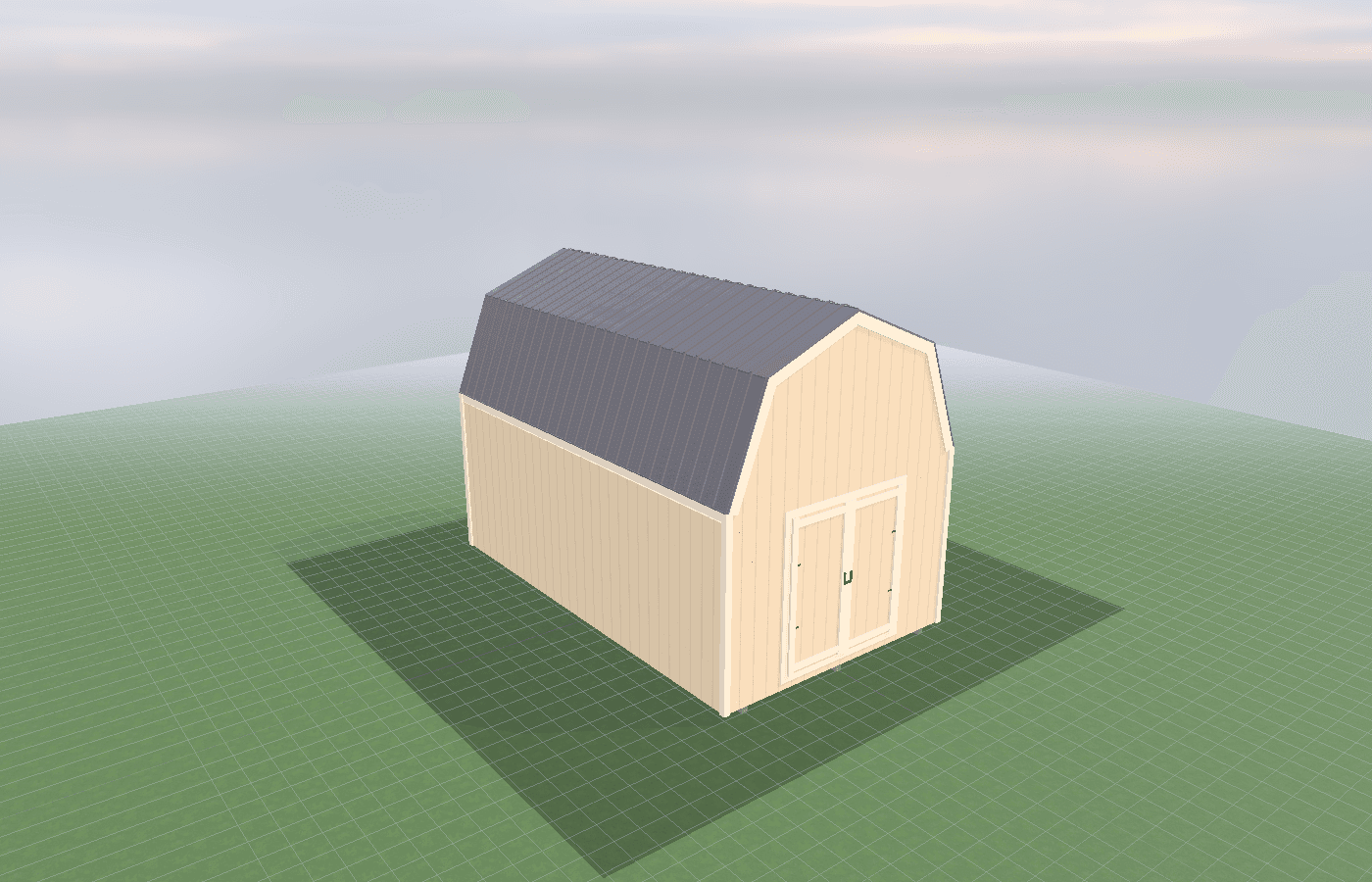
Chicken coop vs goat shelter vs dog kennel: how needs differ
A chicken coop, goat shelter, and dog kennel may all look like small animal buildings from the driveway, but they do not ask the same things from the shell. Birds need roosting, nesting, and predator protection. Goats need dry loafing space, tougher walls, and better chew resistance. Kennel-style dog housing needs calmer airflow, easier sanitation, and a more realistic cold-weather plan than many owners expect.
Chicken Coop Goat Shelter Dog in North Idaho
The fastest way to waste money on animal housing is to assume one layout works for every animal. A small pet shelter may look generic from the outside, but a chicken coop, goat shelter, and dog kennel solve three very different problems. In North Idaho, the gap gets even wider because snow, mud, freeze-thaw cycles, and predator pressure punish the wrong design quickly.
Chickens need dry draft-managed air, secure openings, roosts, nesting strategy, and predator-resistant lower walls. Goats care less about nest boxes and more about staying dry, getting out of wind, and not destroying weak trim, doors, or soft wall finishes. Dogs, especially companion animals, need a shelter that is easy to sanitize, calm to rest in, and honest about cold-weather use. ASPCA cold-weather guidance is a useful reality check here: many dogs are not suited for prolonged outdoor housing in severe cold, and warm bedding plus draft protection matter at least as much as a roof.
Around Coeur d'Alene, another problem shows up fast: the lot itself. A coop may need morning access and a run connection. A goat shelter may need to open toward the paddock and away from prevailing weather. A dog kennel may need quieter placement, easier washdown access, and a cleaner separation from feed or livestock traffic. On-site construction is the main advantage because the structure can be sized and positioned around the actual fencing, drainage, and chores instead of around what a delivered prefab happened to allow.
The broad rule is simple. A chicken building is a bird-security problem. A goat building is a dry-loafing and abuse-resistance problem. A dog kennel is a sanitation, airflow, and daily-care problem. Once owners understand that, the layout decisions get much clearer.
What size pet shelter do you need?
A 6x8 works when the use case is narrow and disciplined. For chickens, that can support a compact flock if the exterior run is doing most of the daily movement work. For goats, it is usually a weather shelter for a small number of animals rather than a generous barn substitute. For dogs, it can work as a focused kennel-support structure or protected resting zone, but only when the layout is simple and cleaning access is good.
An 8x8 usually feels more forgiving because it leaves more room for the thing every animal building needs: separation. Chickens benefit from keeping nest and roost functions from fighting the entry. Goats benefit from a little more loafing room and a cleaner feed edge. Dogs benefit from sleeping space that is not right on top of the doorway or the wettest part of the floor.
An 8x10 is where the layout starts solving more than one problem at once. That extra depth can support better circulation, a more realistic service side, and enough room to keep feed, bedding, and animals from colliding every time the door opens. For many owners, this is the size where the building stops being a compromise and starts feeling intentionally planned.
The right size is not just what the animals can technically stand inside. It is what preserves dry zones, cleaning lanes, and species-specific functions after buckets, bedding, nesting materials, feed bins, and winter traffic all show up.
Best layouts and features for pet shelters
Chicken coops need security and controlled ventilation
Poultry buildings need more opening protection than many first-time owners expect. University of Minnesota Extension notes that hardware cloth works better than chicken wire where ground predators can reach birds, which is why lower openings, vents, and vulnerable wall sections should be treated as true security details. Chickens also need deliberate ventilation without direct roost drafts, plus interior planning for roosts, nests, and clean access to feed and water.
Chicken coops also reward routine-friendly layouts. The eggs should be easy to collect. The floor should be easy to rake or reset. The feed should stay drier and harder for rodents to reach. That is very different from the priorities in a goat loafing shelter or a kennel room.
Goat shelters need dry, simple, and durable space
Goats do not need a precious interior. They need a dry place out of wind, with enough ventilation that moisture does not build up and enough toughness that rubbing, chewing, and crowding do not destroy the shell. Penn State Extension's ventilation guidance for sheep and goat barns is a good reminder that air movement matters even in cold housing. Damp still air is not the goal. Dry breathable shelter is.
That usually means fewer fragile finishes, fewer little trim details to catch damage, and a layout that keeps the deepest dry bedding zone protected from the main weather opening. Goats also benefit from entries that work with herd movement instead of forcing animals through a cramped pinch point.
Dog kennels need calm airflow, sanitation, and honest winter use
Dog housing is where owners often confuse enclosure with comfort. A kennel room can become stuffy, damp, and loud fast if it is treated like a sealed box. Cold-weather pet shelter basics: airflow, insulation, and cleaning matters here because the best kennel layouts vent damp air, keep bedding off cold floors, and allow frequent cleaning without turning the whole room into a washdown mess.
Dogs also need a more careful cold-weather plan than goats or poultry. Some breeds tolerate outdoor conditions better than others, but companion-animal housing should be built around real welfare, not the owner's hope that a roof solves winter by itself. Protected rest zones, easy access, and a realistic decision about how much time the animal is actually outside matter more than oversized square footage.
Predator details and cleaning systems are not interchangeable
The predator strategy for a coop is not the same as the cleaning strategy for a kennel, and neither is the same as the durability strategy for goats. That is why predator-resistant design features to consider in rural areas is a useful companion guide. The wrong feature package usually comes from trying to make one animal-housing template do everything.
Cost, timing, and build-planning factors
Cost shifts with the animal type more than many owners expect. Chicken coops often spend more budget on security details, openings, roost and nest planning, and run coordination. Goat shelters spend more on tough surfaces, stronger doors, and layouts that survive pushing and chewing. Dog kennels spend more on cleanable materials, airflow, insulation decisions, and easier service access.
Timing matters because the best moment to solve the real use case is before the shed is framed. If the building needs heavier lower walls, special latch hardware, a raised resting platform, or a better location for winter chores, that is cheaper to do up front than after one muddy season proves the layout wrong. In North Idaho, site work still needs to respect snow loads in the 40 to 60+ psf range, the common 24-inch frost-depth conversation, and how runoff behaves during thaw cycles.
Permit review can also differ by county and footprint. Kootenai County routes building work through its Building Division, while Bonner County's planning FAQ makes clear that detached non-habitable accessory structures over 400 square feet typically require Building Location Permit review. Even smaller buildings still have setback, utility, and use questions. If the housing gets more complex than a very simple shelter, pricing and permitting should be part of the early conversation, not the last one.
On-site construction is especially useful here because these projects usually connect directly to runs, paddocks, or yard fences. The building can be shaped around chore flow instead of forcing the chore flow to adapt later.
Popular sizes and layouts for pet shelters
A 6x8 is best when the use case is tightly defined: a compact coop shell with run support, a simple goat weather shelter, or a kennel-support space for one narrow purpose. An 8x8 is often the sweet spot when owners need a little more separation between animals and service tasks. An 8x10 becomes the better answer when the building has to carry more daily use, more bedding movement, or more species-specific zoning.
The best layout is rarely the fanciest one. It is the one that matches the animal. Chickens want security and controlled air. Goats want dry shelter and durability. Dogs want calm, sanitary, managed space. If the building gets those basics right, it will outperform a more expensive structure with the wrong priorities every time.
Frequently asked questions about pet shelters
What size pet shelter works best for chicken coop vs goat shelter vs dog kennel: how needs differ?
For many North Idaho buyers, 6x8 and 8x8 are the best starting sizes because they balance usable floor space with realistic placement on the property. We then size up or down based on snow load, storage volume, and how much dedicated work or seating area you need. Compare 6x8 and see 8x8.
What is the most common mistake people make when planning a pet shelter shed?
Underestimating space needs is the most common error. Measure your equipment and add 25-30% for workspace and future growth. In North Idaho, also factor in snow gear and seasonal storage demands. Get a free estimate.
Frequently asked questions
What size pet shelter works best for chicken coop vs goat shelter vs dog kennel: how needs differ?
For many North Idaho buyers, 6x8 and 8x8 are the best starting sizes because they balance usable floor space with realistic placement on the property. We then size up or down based on snow load, storage volume, and how much dedicated work or seating area you need. Compare 6x8 and see 8x8.
What is the most common mistake people make when planning a pet shelter shed?
Underestimating space needs is the most common error. Measure your equipment and add 25-30% for workspace and future growth. In North Idaho, also factor in snow gear and seasonal storage demands. Get a free estimate.
Ready to plan your build?
Tell us your site, your dimensions, and the use case. We'll come out and price it.