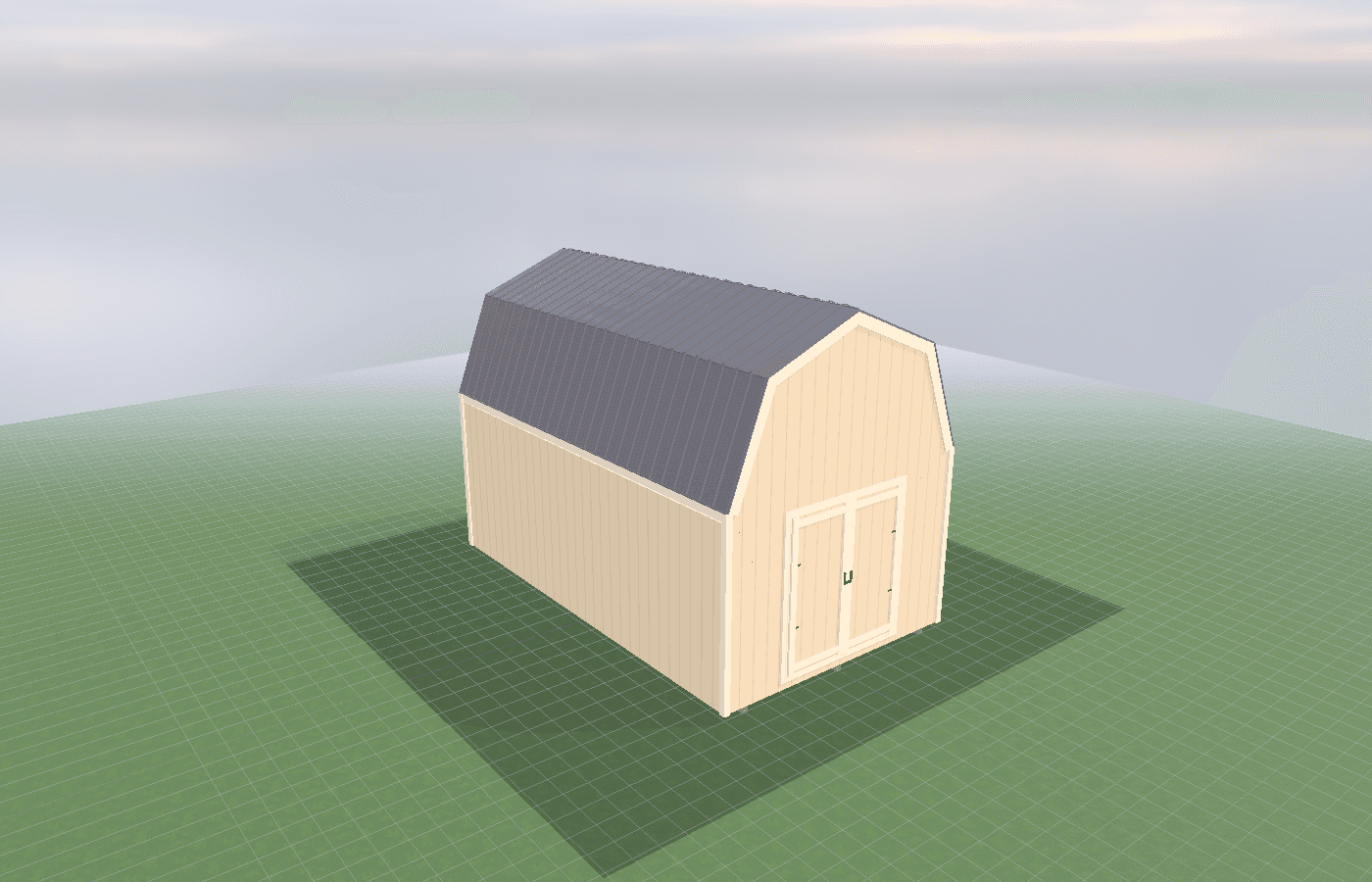
Predator-resistant design features to consider in rural areas
Predator-resistant design is mostly about denying weak points before an animal ever tests them. In rural North Idaho, that usually means stronger lower-wall materials, smaller protected openings, better latch hardware, and a site plan that does not invite nighttime pressure right up to the building. The safest sheds are rarely the most complicated; they are the ones with the fewest easy failures.
Predator-Resistant Design in North Idaho
Rural animal housing in North Idaho has a predictable problem set: raccoons, coyotes, stray dogs, foxes, birds of prey, and opportunistic rodents all look for the same thing, which is a weak edge. That weak edge might be a vent with the wrong mesh, a door gap, a soft lower wall, a sloppy latch, or feed spilled near the shelter every night. Predator resistance is not one product. It is a system.
That system matters whether the building supports poultry, dogs, goats, or another mixed-use pet shelter. A structure can be warm, attractive, and seemingly well built, then still fail because one opening was sized for airflow but not for intrusion, or one latch was good enough for wind but not for raccoon hands. In North Idaho, the weather complicates it further. Snow banks can reduce effective wall height, deep drifts can change how predators approach, and muddy shoulder seasons can expose burrowing or apron failures fast.
Around Coeur d'Alene and out on more rural parcels, placement is part of the defense. Buildings tucked against brush, woodpiles, or neglected fence lines invite more pressure than buildings with a clean perimeter and clear human access. On-site construction helps because the structure can be placed where visibility, drainage, and run layout work together instead of giving predators a hidden side to exploit.
Predator resistance also changes by animal type. A chicken building needs more opening protection than a goat loafing shed. A dog kennel may need better latch discipline and fence integration more than it needs roost-level mesh. That is why chicken coop vs goat shelter vs dog kennel: how needs differ belongs in the same conversation as this guide.
What size pet shelter do you need?
A 6x8 can be the easiest size to harden well because there are fewer openings, fewer corners, and less roof-to-wall transition to protect. For a compact poultry or small-animal use case, a smaller shell often means fewer opportunities for a predator to find a weak detail.
An 8x8 gives more layout flexibility, but it also adds more wall, more roof edge, and more temptation to add another vent, window, or access door. That is not a reason to avoid the size. It is just a reminder that every extra feature needs the same level of defensive thinking as the first one.
An 8x10 is useful when the building truly needs more zoning or service room, but bigger shells also mean longer fence runs, more apron length, and more places where a contractor or owner can get casual about one inch here or one latch there. Predator resistance does not get easier just because the footprint is bigger.
The right size is the one you can harden completely. A slightly smaller building that is fully protected usually outperforms a larger one where the last few details were left loose because the budget or attention ran out.
That is also why the run and service routine should be budgeted alongside the shell. A compact building with a secure threshold, clear perimeter, and nightly close-up routine usually performs better than a larger layout with hidden corners and loose gate habits. If the owner can walk the perimeter, latch the openings, and confirm the feed area is clean in under two minutes, the shelter is much more likely to stay predator-resistant over time.
Best layouts and features for pet shelters
Use the right mesh in the right place
University of Minnesota Extension's poultry hut guidance makes the distinction clearly: chicken wire is fine for some upper areas, but hardware cloth works better where ground predators can reach birds. That is the larger lesson too. Lower walls, vents, crawl-height openings, and run connections should be treated as intrusion points first and ventilation details second.
The prewritten rule in this project is still the right starting point: use hardware cloth, not chicken wire, over all openings. If the building shelters poultry or smaller animals, that detail alone prevents a lot of avoidable loss.
Protect the base, not just the walls
A wall can be solid and the base can still fail. Missouri Extension's rat-control guidance is a good reminder that durable exclusion matters where buildings meet the ground and where utilities or small gaps pass through the shell. In rural pet housing, a buried or outturned apron, tight skirting details, and attention to how the floor edge meets the wall all help prevent digging or chewing access.
The FAQ language calling for an apron extending 12 inches from the base is practical because it creates a defensive zone without needing heroic excavation. That is not the only method, but it is a useful field rule for small animal sheds where the goal is deterring quick nighttime attempts before they turn into a habit.
Doors, latches, and hinges matter more than people think
Many predator failures happen at the human access point, not through the wall. Raccoons test simple latches. Coyotes exploit bad alignment. Dogs push weak lower doors. A predator-resistant shelter wants heavy-duty latch hardware, doors that close squarely, and hinge attachment that will stay tight through seasonal swelling, mud, and repeated use.
One of the easiest mistakes is choosing residential-looking decorative hardware that feels nice in the hand but was never meant for daily animal traffic. Rural outbuildings want hardware that behaves like farm hardware.
Lighting and site cleanliness help, but they do not replace exclusion
Motion lights can help. Clean perimeters help. Feed discipline helps. But none of those are substitutes for physical exclusion. A light may discourage an opportunistic pass. It will not stop a persistent raccoon from working a loose latch or a dog from testing a fence corner it already knows is weak.
That is why cold-weather pet shelter basics: airflow, insulation, and cleaning still matters in a predator conversation. A building that is easy to clean, easy to inspect, and easy to close up correctly every night is safer than one that technically has good materials but is annoying to maintain.
Cost, timing, and build-planning factors
Predator-resistant features usually cost less than replacing animals, feed, and sleep after a failure. The money tends to go into better mesh, stronger hardware, more durable lower-wall materials, apron or skirting details, and a layout that keeps the vulnerable areas obvious and inspectable.
Timing matters because exclusion is cheapest before the building is finished. Once trim, flooring, and runs are already in place, retrofitting better lower-wall protection or rebuilding the door edge is much more annoying. In North Idaho, the shell also still has to handle 40 to 60+ psf snow loads, and site work still has to respect drainage and the common 24-inch frost-depth conversation. A well-hardened building on a sloppy base is still not a good answer.
County review remains part of the decision once buildings get larger or more complex. Kootenai County routes permitting through its Building Division, and Bonner County's planning FAQ notes that detached non-habitable accessory structures over 400 square feet typically need Building Location Permit review. Even smaller predator-resistant shelters still need setback compliance, realistic access, and a site plan that does not create blind corners or fence conflicts.
On-site construction helps because the defensive details can be fit to the exact run layout, terrain, and approach pattern. If the building needs one solid side toward brush and one cleaner service side toward the yard, that is much easier to solve before the structure exists.
If your main goal is rural security instead of a generic shed shell, request a free estimate before you finalize the layout. The weak point is easiest to remove while it is still on paper.
Popular sizes and layouts for pet shelters
A 6x8 is often the cleanest predator-resistant size because it keeps the shell simple and fully hardenable. An 8x8 is the common sweet spot when owners need more function but still want a perimeter they can inspect quickly. An 8x10 makes sense when the building needs more separation or daily service room, but only if the owner is prepared to harden the whole footprint with the same discipline.
The best layout usually keeps the clean service side where humans approach, the most vulnerable openings away from brush or fence pressure, and the sleeping or roosting area farthest from the biggest door. A shelter with a clear perimeter and obvious nightly close-up routine is far safer than one with clever gadgets and too many unmonitored corners.
Predator resistance is usually won by boring details done well. Tight gaps. Strong mesh. Good latches. Clean feed habits. Simple sightlines. Those things hold up a lot better than wishful thinking.
Frequently asked questions about predator-resistant design
What size pet shelter works best for predator-resistant design features to consider in rural areas?
For many North Idaho buyers, 6x8 and 8x8 are the best starting sizes because they balance usable floor space with realistic placement on the property. We then size up or down based on snow load, storage volume, and how much dedicated work or seating area you need. Compare 6x8 and see 8x8.
What predator-proofing features matter for a pet shelter shed in rural North Idaho?
Use hardware cloth (not chicken wire) over all openings. Bury an apron of cloth 12 inches out from the base. Use heavy-duty latches that raccoons cannot open. A motion-sensor light deters nocturnal predators. See pet shelter options.
Frequently asked questions
What size pet shelter works best for predator-resistant design features to consider in rural areas?
For many North Idaho buyers, 6x8 and 8x8 are the best starting sizes because they balance usable floor space with realistic placement on the property. We then size up or down based on snow load, storage volume, and how much dedicated work or seating area you need. Compare 6x8 and see 8x8.
What predator-proofing features matter for a pet shelter shed in rural North Idaho?
Use hardware cloth (not chicken wire) over all openings. Bury an apron of cloth 12 inches out from the base. Use heavy-duty latches that raccoons cannot open. A motion-sensor light deters nocturnal predators. See pet shelter options.
Ready to plan your build?
Tell us your site, your dimensions, and the use case. We'll come out and price it.