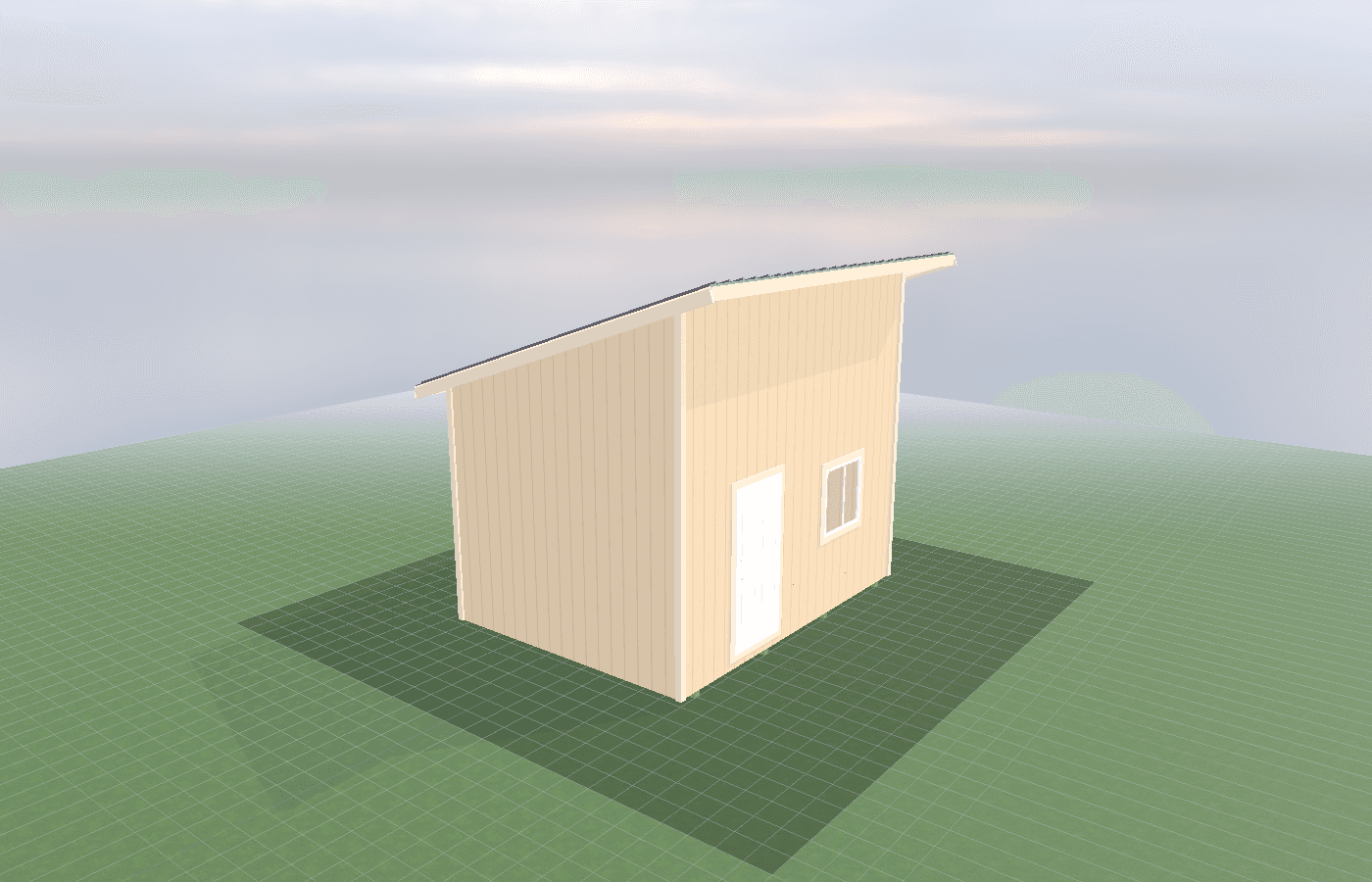
Cleanability: wall/floor materials that handle washdown
Cleanability is not a finish upgrade in a game-processing shed. In North Idaho, washable surfaces, sealed joints, and materials that tolerate moisture swings are what keep the room usable after the first hard season.
Cleanability Wall/floor in North Idaho
Cleanability is one of the clearest dividing lines between a purpose-built processing room and a generic shed with a folding table. In a game-processing space, surfaces are expected to handle moisture, repeated wiping, tool contact, and sometimes full washdown. If the walls swell, the floor traps residue, or the corners collect grime that never quite comes clean, the room stops being trustworthy no matter how good it looked on build day.
The most useful standard is simple: surfaces in wet or food-related work areas should be smooth, durable, nonabsorbent, and easy to clean. That is the same basic principle reflected in the FDA Food Code, which calls for smooth, nonabsorbent, easily cleanable surfaces and sealed or coved floor-to-wall conditions when water flushing is part of the cleaning method. A private hunting-property shed is not the same thing as a commercial food establishment, but the benchmark is still useful because it describes what actually cleans well.
That matters even more in a game processing shed, where moisture is rarely limited to one splash zone. Snowy boots, wet aprons, meltwater, rinse buckets, and cleanup spray all add up. A room that only looks washable at countertop height but leaves raw framing, unsealed corners, or soft floor transitions exposed is going to show its weakness quickly.
Around St. Maries, freeze-thaw cycles and long wet seasons make material honesty important. North Idaho weather tests the room long after hunt day ends. Condensation, slow drying, and muddy traffic will find every place where the finish system was more decorative than practical.
What size game processing shed do you need?
A 10x12 is often the easiest size to keep genuinely clean because the surfaces are limited and the workflow can stay simple. But that only works if the owner does not overload the room with storage and equipment. A small room can either be easy to sanitize or packed with obstacles. It usually cannot be both.
A 10x16 gives cleaner separation between wet and dry tasks. That extra space helps keep packaging supplies out of splash range and gives the operator enough room to clean around tables instead of cleaning only what is easy to reach. For many owners, this is where cleanability becomes realistic instead of theoretical.
A 12x16 is usually the better choice when the building needs dedicated cold storage, more than one work surface, or a stronger wall-storage system that still leaves open cleaning access. Bigger rooms are not automatically cleaner, but they do allow better spacing, and spacing is what makes sanitation routine instead of dreaded.
The right size is the one that leaves enough clear floor and wall access to inspect, wipe, rinse, and reset the room without moving half the equipment outside first.
North Idaho weather and material performance
Walls should be smooth and sealed, not merely paintable
In a washdown-prone room, the strongest wall systems are the ones that stay stable after repeated cleaning. Fiberglass-reinforced panels over a suitable substrate, sealed metal liner panels, and other smooth washable systems are usually better long-term choices than exposed OSB, untreated plywood, or standard drywall. Even materials that can be painted are not necessarily good wet-room materials if they absorb moisture at seams or swell at fastener points.
Sealed plywood can sometimes serve in lighter-duty splash areas when the budget is tight and the owner is realistic about maintenance, but it should not be confused with a truly nonabsorbent finish. If the room will see frequent hose-down cleaning, blood or rinse water at the base of the wall, or regular temperature swings, a harder-wearing washable panel system is usually worth it.
Floors decide whether cleanup is quick or miserable
Floors take the most abuse. Wet boots, knife slips, dropped tubs, rolling carts, meltwater, and repeated cleaning all hit the floor first. A sealed concrete slab is often the strongest answer when the building is intended for frequent washdown, because it tolerates moisture, supports drains more naturally, and can be paired with durable coatings or anti-slip treatments where needed. Whatever the finish, traction matters. A floor that is easy to hose but dangerously slick is not a successful processing floor.
Wood floors can work for lighter-duty sheds, but once regular wet cleaning enters the picture, they become much less attractive. Joints move, moisture lingers, and sanitation becomes dependent on constant upkeep. That is fine for dry storage. It is usually not the best long-term answer for a room expected to handle real processing cleanup.
Corners, trim, and penetrations are where rooms usually fail
Material choice alone does not solve cleanability. The weak points are often where walls meet floors, where trim creates ledges, and where electrical or plumbing penetrations interrupt a washable surface. The FDA benchmark about sealed or coved wall-floor transitions is useful because those transitions are exactly where rinse water and debris like to collect.
If water flushing is part of the cleaning routine, the room should avoid fussy trim and hidden cavities. Simple base details, protected utility runs, and fixtures that can be wiped around matter more than decorative finishing. This is one reason designing a game processing shed: workflow from hang to wrap and cold storage options: cool room vs freezer zone vs passive winter use are linked to this topic. The cleaner the workflow and the colder the room, the less forgiving the weak details become.
North Idaho moisture swings punish porous materials
A material that survives one cleaning is not automatically the right material. The bigger question is what repeated wet-dry cycles do to it. In North Idaho, moisture can come from washdown one day and tracked-in snow the next. Rooms may sit cold for stretches, then warm up quickly during active use. That cycle punishes raw edges, porous finishes, and cheap trim systems. Good material performance is not just about being washable. It is about staying washable after several seasons. Removable mats, shielded task lights, and wall-mounted accessories that can be wiped behind are small choices that also keep the room from becoming harder to clean each year.
Cost, timing, and build-planning factors
Cleanable materials usually cost more up front than bare-bones interior finishes, but they are cheaper than rebuilding a failed wet room. The biggest value is not cosmetic. It is making the room reset faster, hold up longer, and require less apology every time it is used.
Timing matters because the best cleanability details want to be designed in early. Drain planning, slab finishing, wall backing, lighting protection, and utility routing all get harder after framing and finish choices are already locked. The room still has to be built for North Idaho's snow-load conditions and the usual 24-inch frost-depth conversation, but the wet-room finish strategy should be part of the same design phase, not an afterthought.
Larger footprints, electrical work, and any plumbing or drain-related upgrades may change what local review is needed, especially once the building moves beyond a simple unconditioned shed. That is another reason to settle the washdown expectation early. A room intended for real wet cleaning deserves to be planned like a system.
If you want the processing room to stay easy to sanitize after the novelty wears off, request a free estimate before finalizing the shell. Material problems are much easier to solve before the walls and floor are finished.
Popular sizes and layouts for game processing shed
A 10x12 works when the room is kept very focused: one primary table, one clear cold-support plan, and durable finishes in the highest-contact zones. A 10x16 is the common sweet spot because it allows cleaner spacing between the wet side and the cleaner packaging side, which makes surfaces easier to maintain.
A 12x16 gives the best flexibility for a truly durable washable interior because it leaves more room for strong wall systems, slab-based floor planning, and utility routing without forcing every surface into the same traffic lane. That matters if the room will be used repeatedly through the season or if two people will work in it regularly.
The strongest layout is the one that lets the owner reach every surface that actually gets dirty. Open floor where water can be controlled, smooth walls behind the table, protected lights, and simple storage beat fancy cabinetry almost every time in a processing room.
Frequently asked questions about cleanability wall/floor
What size game processing shed works best for cleanability: wall/floor materials that handle washdown?
For many North Idaho buyers, 10x12 and 10x16 are the best starting sizes because they balance usable floor space with realistic placement on the property. We then size up or down based on snow load, storage volume, and how much dedicated work or seating area you need. Compare 10x12 and see 10x16.
What is the most common mistake people make when planning a game processing shed shed for my property?
Underestimating space needs is the most common error. Measure your equipment and add 25-30% for workspace and future growth. In North Idaho, also factor in snow gear and seasonal storage demands. Get a free estimate.
Frequently asked questions
What size game processing shed works best for cleanability: wall/floor materials that handle washdown?
For many North Idaho buyers, 10x12 and 10x16 are the best starting sizes because they balance usable floor space with realistic placement on the property. We then size up or down based on snow load, storage volume, and how much dedicated work or seating area you need. Compare 10x12 and see 10x16.
What is the most common mistake people make when planning a game processing shed shed for my property?
Underestimating space needs is the most common error. Measure your equipment and add 25-30% for workspace and future growth. In North Idaho, also factor in snow gear and seasonal storage demands. Get a free estimate.
Ready to plan your build?
Tell us your site, your dimensions, and the use case. We'll come out and price it.