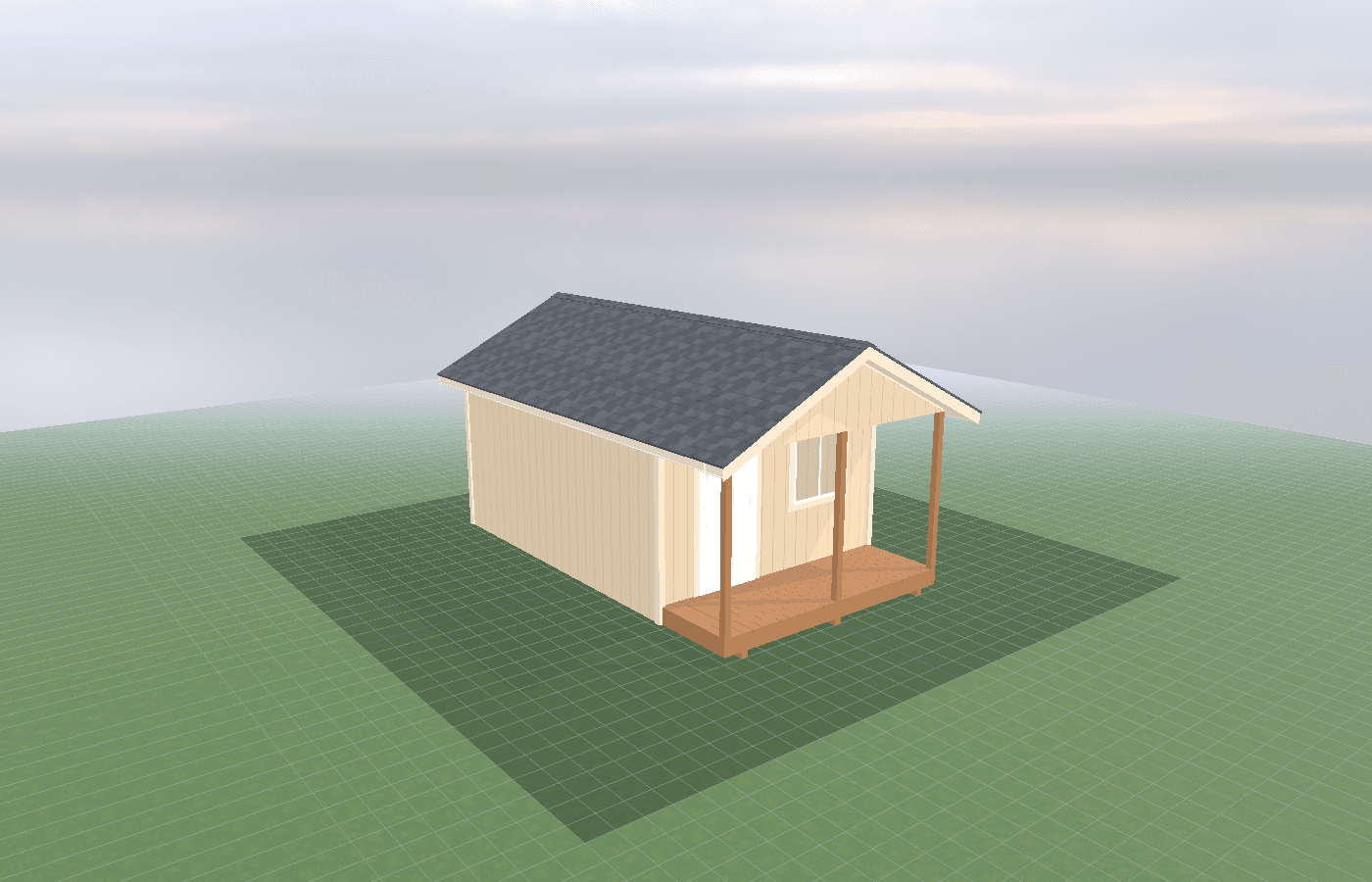
Climate control for hobby sheds: when insulation pays off
Insulation pays off when the hobby shed is trying to stay usable, not just stay enclosed. If the room stores temperature-sensitive supplies, sees regular year-round use, or needs stable comfort for focused work, climate control starts earning its keep quickly. If the shed is mostly occasional storage with short visits, a simpler shell may still be enough.
Climate Control for Hobby Sheds in North Idaho
Climate control for a hobby shed is really a question about consistency. If the room only needs to hold garden stools or seasonal decorations, insulation may be overkill. But if the shed is meant for painting, sewing, electronics work, model building, leatherwork, paper crafts, or any hobby where people stay put for an hour instead of five minutes, the room starts behaving more like occupied living space than storage.
North Idaho makes that difference obvious. A light uninsulated shell can swing from deep cold to stuffy afternoon heat fast, especially in shoulder seasons. Supplies suffer, glue and finishes behave differently, paper and fabric pick up moisture, and the room becomes uncomfortable enough that the hobby starts drifting back into the house. A well-planned hobby shed fixes that by controlling temperature swings, air leakage, and humidity enough that the space stays worth using.
DOE guidance on ductless mini-split heat pumps is useful here because small detached rooms are exactly the kind of space where zoned ductless heating and cooling can make sense. But a mini-split is not the whole answer. If the shell leaks air badly or the insulation plan is weak, the system ends up compensating for envelope problems instead of just conditioning the room.
On-site construction is the big advantage because the placement, windows, power routing, and access path can be matched to the actual hobby and the actual lot. If the room needs winter-friendly access, afternoon shade, or one solid storage wall instead of extra glass, that is easiest to get right before the building exists.
On tighter lots around Coeur d'Alene, climate control also ties directly to placement. West-facing glass can overheat a small room, and condensers or through-wall fans need to land where they do not fight the patio, fence, or neighbor side yard. A shed that is technically insulated can still feel wrong if afternoon solar gain, reflected heat, and equipment noise were ignored.
How does shed size affect heating and airflow?
An 8x10 is often the easiest hobby size to climate-control well. The room is compact enough that insulation and a modest heating/cooling strategy can make a visible difference quickly, and it still leaves enough wall space for work surfaces and storage if the layout is disciplined.
An 8x12 usually feels more forgiving because there is more room for air to mix, more flexibility around where a heat source or mini-split head lands, and more space to separate the work zone from the door. That extra room matters if the hobby creates dust, needs a bench plus storage wall, or simply asks for more time in the room.
A 10x10 can be a great climate-control size when the hobby wants a more central table or balanced circulation pattern. But square rooms still need good airflow planning. If the supply air lands directly on the main seat or the coldest wall becomes the storage wall for sensitive supplies, the layout will still feel off even if the equipment is technically adequate.
The right size is the one that preserves both comfort and function after the climate-control equipment goes in. A room that technically has heating but loses its best wall to bad equipment placement is not really well planned.
Systems planning for hobby sheds
Insulation pays off when the room is used often or stores sensitive materials
The more often the room is occupied, the more insulation makes sense. If the owner expects to work in the shed in winter, shoulder seasons, or hot summer afternoons, wall and roof insulation stop being luxury upgrades and start being what makes the room usable. The same goes for hobbies that rely on stable storage for paper, fabric, adhesives, paints, finishes, or electronics.
Insulation also works best when paired with air sealing. DOE's Energy Savers guidance is clear that sealing air leaks is one of the fastest ways to cut wasted energy. In hobby-shed terms, that means the climate-control conversation is not just about R-value. It is also about gaps around doors, windows, penetrations, and the general tightness of the shell.
Pick heating and cooling to match the real use case
A full mini-split is often the cleanest answer for year-round hobby use because it provides heating and cooling in one package and works well in non-ducted small spaces. DOE notes that sizing and placement matter, which is exactly right here. Oversized equipment, poorly placed indoor heads, and neglected condensate planning all make the room less pleasant.
Not every hobby shed needs that level of system. Some rooms only need a modest winter heat source, improved ventilation, and an envelope that is no longer bleeding outdoor air through every seam. The mistake is paying for mechanical equipment before deciding whether the room actually wants full-time comfort or just less seasonal misery.
Ventilation still matters in a climate-controlled room
Hobby sheds that hold paints, adhesives, finishing supplies, soldering equipment, fabric dust, or even just one warm person at a desk still need fresh air strategy. A tighter insulated shell without reasonable ventilation can feel stale quickly. This is why how to choose a hobby shed based on power, noise, dust and space planning: storage wall vs workbench-first designs pair naturally with this topic. The right climate-control choice depends on what the room is actually doing inside.
Even hobby rooms that stay relatively clean benefit from a simple air-change routine after long sessions. Cracking windows briefly, using a quiet exhaust strategy, and not storing solvents or damp materials directly against cold exterior walls all make the conditioned room easier to keep comfortable year-round.
Power, lighting, and comfort should be designed together
Climate control pays off most when the whole room supports staying longer. That means the outlet plan, task lighting, bench layout, and storage approach should all work with the heating and airflow plan instead of fighting it. If the warmest wall is blocked by bins and extension cords, or the light is wrong at the only comfortable seat, the room still will not get used the way it should.
Cost, timing, and build-planning factors
Insulation and climate control usually cost less than constantly abandoning the room. The most common waste is building a hobby shed that is technically finished but unpleasant enough that the owner goes back inside every winter. At that point the project did not fail structurally, but it failed at its real job.
Timing matters because insulation, window choice, power planning, and mechanical placement all want to be solved early. In North Idaho, the shell still has to deal with 40 to 60+ psf snow loads and the common 24-inch frost-depth conversation, but comfort decisions also influence framing details, wall thickness, and where the equipment can go. Retrofitting a climate plan later is possible, but rarely as clean.
County review can matter once the room gets larger or more utility-heavy. Kootenai County routes permit work through its Building Division, and Bonner County's planning FAQ notes that detached non-habitable accessory structures over 400 square feet generally need Building Location Permit review, with additional utility permits possible depending on the work. Even when the shed is smaller, adding power or mechanical equipment should still be treated like real building work.
If the goal is a hobby room you will actually use in January, request a free estimate before finalizing the shell. The payoff from insulation shows up fastest when the room is designed around comfort from the start.
Popular sizes and layouts for hobby sheds
An 8x10 is often the sweet spot when the hobby is compact and the owner wants the lowest-cost path to a genuinely comfortable dedicated room. An 8x12 gives more freedom for storage, better airflow, and a less cramped work zone. A 10x10 is strong when the hobby wants a central table or more balanced movement instead of one long bench wall.
The best climate-controlled layouts usually keep the main work position away from the coldest entry path, preserve one efficient wall for storage, and leave enough open space that the conditioned air can actually circulate. Rooms packed floor to ceiling with bins are harder to heat, harder to cool, and harder to enjoy.
Climate control pays off when it turns the shed into a place you enter without hesitation. If you stop wondering whether the room will be too cold, too hot, or too damp today, the investment is doing its job.
Frequently asked questions about hobby sheds
What size hobby shed works best for climate control for hobby sheds: when insulation pays off?
For many North Idaho buyers, 8x10 and 8x12 are the best starting sizes because they balance usable floor space with realistic placement on the property. We then size up or down based on snow load, storage volume, and how much dedicated work or seating area you need. Compare 8x10 and see 8x12.
What climate control does a hobby shed shed need in North Idaho?
At minimum, insulate to R-19 walls and R-38 ceiling for year-round use. A mini-split heat pump handles heating and cooling efficiently. Add ventilation specific to your use case. Get a free estimate.
Frequently asked questions
What size hobby shed works best for climate control for hobby sheds: when insulation pays off?
For many North Idaho buyers, 8x10 and 8x12 are the best starting sizes because they balance usable floor space with realistic placement on the property. We then size up or down based on snow load, storage volume, and how much dedicated work or seating area you need. Compare 8x10 and see 8x12.
What climate control does a hobby shed shed need in North Idaho?
At minimum, insulate to R-19 walls and R-38 ceiling for year-round use. A mini-split heat pump handles heating and cooling efficiently. Add ventilation specific to your use case. Get a free estimate.
Ready to plan your build?
Tell us your site, your dimensions, and the use case. We'll come out and price it.