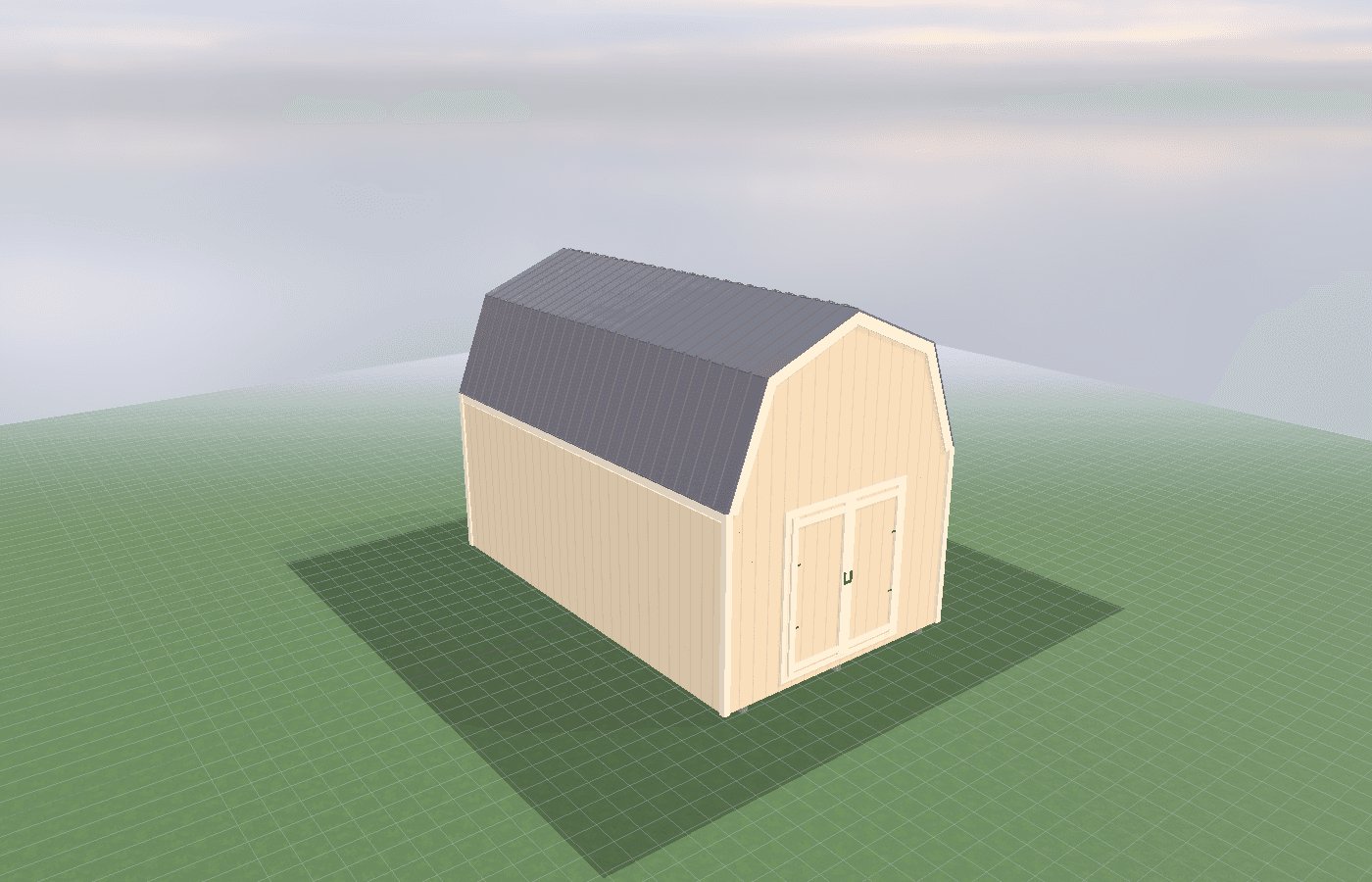
Coop sizing guide: how much space per bird for happy chickens
Coop sizing goes wrong when people measure the footprint and forget the birds, bedding, feed, roosts, and winter reality all need that same space. A North Idaho coop has to work for the flock on the coldest, muddiest days of the year, not just for the neat summer version on graph paper. On-site construction helps because the coop size, run tie-in, and work aisle can be fit to your flock plan and your lot instead of squeezed into a prefab shape that only looked right on delivery day.
Coop Sizing Guide Much Space Per in North Idaho
Coop sizing is one of those subjects that sounds simple until you try to live with the result. The basic question is not just how many chickens can fit inside a rectangle. It is how many birds can live there cleanly, perch there comfortably, stay healthier through winter confinement, and still leave enough room for a person to feed, clean, and collect eggs without turning every chore into a wrestling match.
Extension small-flock guidance gives a useful starting point. Penn State's small-flock materials point toward roughly 2 square feet of indoor coop space per bird as a minimum baseline for many backyard setups, and many flocks benefit from more room when winter weather keeps them indoors longer or when heavier breeds are involved. That is why a coop that technically fits the birds in July can start feeling undersized in January. North Idaho winters make confinement time, bedding depth, and feed storage matter more than the optimistic summer version of the flock calendar.
Good sizing also means thinking beyond floor area. Birds need roost space, nesting access, feeder and waterer clearance, and a run arrangement that does not force the coop door into the only usable corner. That is one reason this guide pairs naturally with winterizing your chicken coop: insulation, ventilation, and heat lamp safety and predator-proofing your coop: hardware cloth, aprons, and door latches. Space planning, winter management, and security all overlap.
A well-sized chicken-coop-shed also has to fit the property. Around Athol and similar North Idaho lots, the run layout, snow drift pattern, and access for feed and cleanup matter just as much as the coop footprint itself. On-site construction helps because the building and run can be set where the birds and the people both move more naturally.
What size chicken coop shed do you need?
An 8x10 is the starting point many flock owners consider, and it can work very well for a modest backyard flock if the layout is disciplined. It gives enough room for roosts, nesting boxes, a manageable work path, and a clean run transition. For many standard-sized laying flocks, it is the smallest size that still feels like a real coop instead of a decorative chicken house.
An 8x12 is often the better all-around choice because the extra length gives you options. You can separate nesting from the main door, preserve more uninterrupted wall for roosting, and avoid packing feed or storage into the same space the birds need for winter comfort. This is often the point where the coop becomes much easier to maintain, not just easier to occupy.
A 10x10 makes sense when the site wants a squarer building or when you want more wall length and less congestion around the center aisle. For some flocks, it is easier to lay out nesting boxes, roosts, feeders, and the human path in a square room than in a narrow rectangle.
A 10x12 is where owners start gaining true flexibility. It is useful for larger flocks, heavier breeds, more winter feed storage, or simply a cleaner separation between the birds' main zone and the owner's work zone. If the flock may grow or if the birds spend meaningful time indoors during snow season, this size starts earning its keep quickly.
It also helps to size for seasonal chores, not just bird count. Winter bins of feed, spare bedding, scoop shovels, and a clean place to stand while opening nesting boxes all compete for the same square footage. If two people ever work in the coop at once, or if children help with chores, the extra room starts feeling less optional. Many buyers discover they were not choosing between enough and extra. They were choosing between a coop that only fits birds and a coop that still works well for people.
Best layouts and features for chicken coop sheds
Good coop sizing is as much about arrangement as dimensions. Put the roosts where birds can settle without direct drafts. Keep nesting boxes out of the brightest, busiest traffic line. Make sure the feeder and waterer do not force every bird through the only narrow aisle. If the whole interior is a collision point, the coop will feel small regardless of the tape measure.
Many backyard flocks also benefit from sizing that respects support space. One nesting box per three to four hens is a common planning rule. Roost space matters too, often in the range of roughly 8 to 12 inches per standard bird depending on breed and setup. These are not abstract numbers when the weather turns bad. In winter, the birds spend more time inside, bedding takes up more depth, and the owner needs room to work without constantly stepping through feed, litter, and birds.
Layout features should support that reality. A full-height human door is worth the space it takes because it makes cleaning practical. Elevated nesting boxes can improve egg access. A clear path from the man door to the run door makes winter chores less frustrating. These are simple features, but they often matter more than decorative trim or extra window area.
Coop size should also anticipate predator-proofing and ventilation. If you leave no room for secure vent placement, or if every lower wall is buried behind bins and equipment, the room becomes harder to maintain. That is why sizing, security, and winter performance should be treated as one package instead of three unrelated decisions.
Cost, timing, and build-planning factors
Going up one size is often cheaper than fixing a too-small coop later. Once the birds are using the building, adding footage, reworking nesting lines, or shifting the run connection becomes more expensive and more disruptive. It is usually wiser to choose the smallest size that still leaves room for winter bedding, feed, cleaning access, and a little flock growth rather than sizing the coop at the absolute minimum.
Timing matters because the right footprint depends on the run layout, drainage, and site access. Mud season exposes crowding around the doors. Winter shows you how much room you need for boots, buckets, and feed. On-site construction helps because the building can respond to those realities before the footprint is final.
Permit rules may stay simple for smaller coops, but they are not irrelevant. Larger footprints, utilities, and county location can all affect review. Even when formal permitting is light, the bigger planning issue is still whether the coop is big enough for the flock you actually want to keep through all four seasons.
There is also the hidden cost of poor flock performance. Crowded birds foul bedding faster, compete harder for roost space, and make routine maintenance less efficient. A slightly better-sized coop usually saves time, reduces stress, and keeps the birds healthier because the room is easier to clean and ventilate. If you want help choosing the right footprint for your flock and lot, get a free estimate.
Popular sizes and layouts for chicken coop sheds
The 8x10 layout is the classic starting point for a reason. It fits many modest flocks well and stays easy to place on smaller lots. The strongest version uses one clean roost wall, nesting boxes placed out of the main traffic line, and enough floor space that feeder and waterer locations do not choke the aisle.
The 8x12 layout is the most common step up because it adds practical room without getting oversized. This size handles winter bedding, feed access, and a more generous nesting arrangement much better than owners often expect.
The 10x10 layout is popular when a square footprint works better with the run or with the rest of the yard. It can also be a smart choice for flocks that benefit from wider circulation rather than extra length.
The 10x12 layout is the move when the flock is larger, the breeds are heavier, or the owner wants the coop to stay comfortable through colder weather and longer indoor periods. It gives room for the birds to be birds and the owner to still move efficiently.
In every case, the best layout is the one that leaves real operating room after roosts, nests, feed, water, and bedding are all in place. That is what makes the coop feel easy instead of crowded.
Frequently asked questions about chicken coop sheds
What size chicken coop shed works best for coop sizing guide: how much space per bird for happy chickens?
For many North Idaho buyers, 8x10 and 8x12 are the best starting sizes because they balance usable floor space with realistic placement on the property. We then size up or down based on snow load, storage volume, and how much dedicated work or seating area you need. Compare 8x10 and see 8x12.
What shed dimensions work best for a chicken coop in North Idaho?
The ideal size depends on your specific equipment and workflow. For most chicken coop projects in North Idaho, start by measuring your largest items and adding 30% for workspace and circulation. Get a free estimate.
Frequently asked questions
What size chicken coop shed works best for coop sizing guide: how much space per bird for happy chickens?
For many North Idaho buyers, 8x10 and 8x12 are the best starting sizes because they balance usable floor space with realistic placement on the property. We then size up or down based on snow load, storage volume, and how much dedicated work or seating area you need. Compare 8x10 and see 8x12.
What shed dimensions work best for a chicken coop in North Idaho?
The ideal size depends on your specific equipment and workflow. For most chicken coop projects in North Idaho, start by measuring your largest items and adding 30% for workspace and circulation. Get a free estimate.
Ready to plan your build?
Tell us your site, your dimensions, and the use case. We'll come out and price it.