Honey house basics: washable surfaces and workflow
A honey house works best when every sticky step has a defined place. In North Idaho, washable surfaces, bee-proof handling, and a clear extraction sequence matter because one rushed harvest day can turn a loosely planned room into a messy bottleneck for the rest of the season.
Honey House Basics Washable in North Idaho
A honey house is not just a shed that happens to contain an extractor. It is a small food-work room that has to handle sticky supers, uncapping debris, warm honey, wet equipment, and cleanup without turning the whole process into a constant reset. That is why washable surfaces and workflow matter so much. If the room cannot be cleaned quickly, it will not stay usable through a real harvest window.
Utah State's honey guidance gives a few practical anchors. Its honey cottage food sheet says all equipment and utensils used for extraction and bottling must be constructed of safe, durable, corrosion-resistant, non-absorbent materials and that all processing equipment must be washed, rinsed, and sanitized before and after use or after exposure to contamination. Utah State's beekeeping sanitation guidance makes the same point from a hive-health angle: cleaning removes visible contamination, sterilization addresses microbes and spores, and saved comb or honey residue can harbor pests and disease issues if the room and tools are not cleaned thoroughly.
That is why a dedicated honey extraction shed makes sense for North Idaho beekeepers who want more than a one-off garage setup. The room can be planned around sticky work, bee exclusion, and cleanup instead of trying to protect unrelated storage from honey season. This guide pairs naturally with temperature control for extraction and the companion guide on pest and odor control, because the best honey house is the one that stays clean, workable, and bee-free from the first super to the last bucket.
What size honey extraction shed do you need?
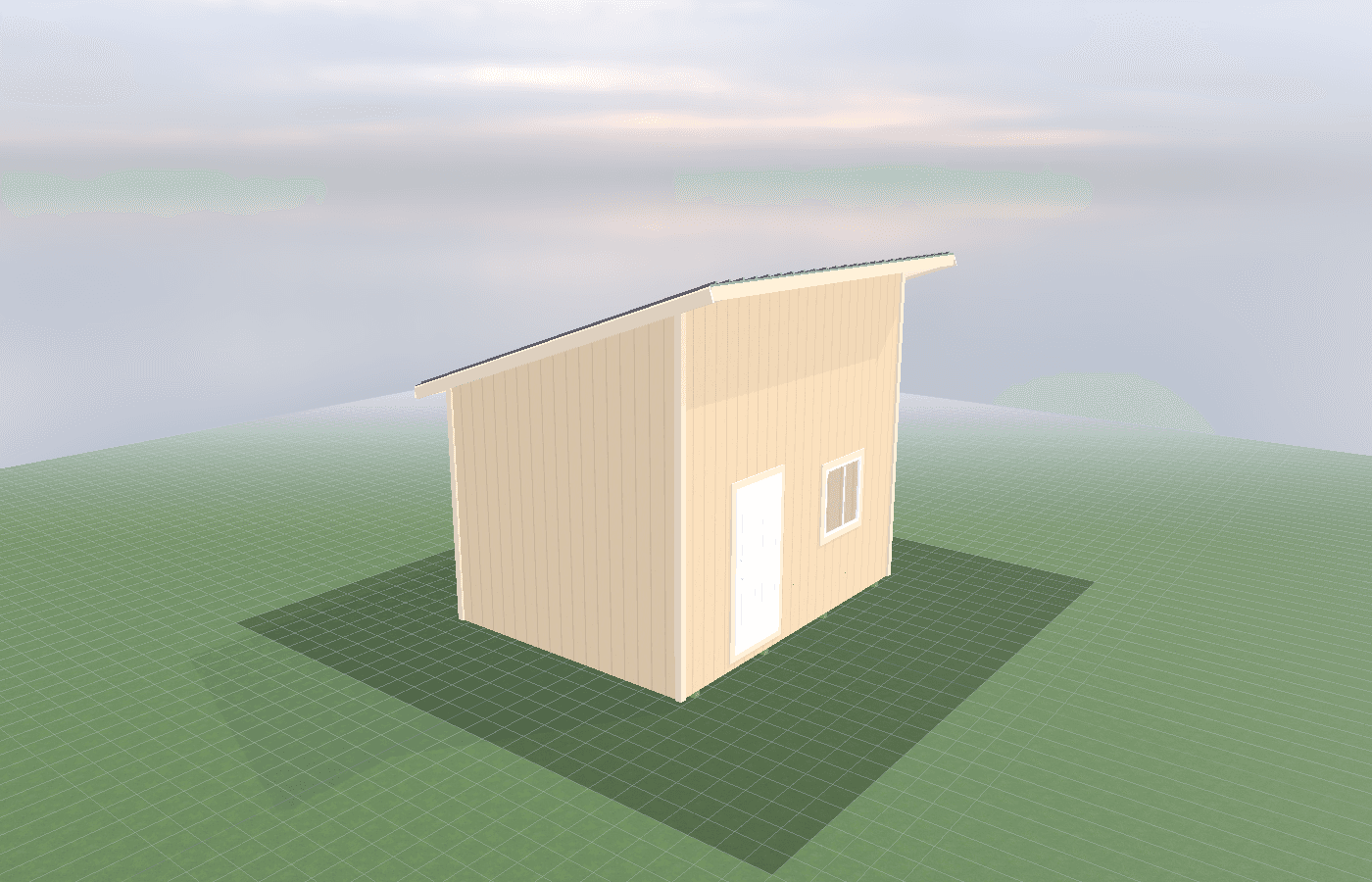
An 8x10 is enough for many hobby operations if the room has one clear extraction line and the equipment list is disciplined. It can handle an extractor, a small landing surface, and a controlled cleanup edge, but the workflow has to stay tight.
An 8x12 is often the better starting point because it gives more room for supers coming in, sticky work in the middle, and cleaner storage or bottling space on the far side. That extra length often makes the room feel more calm on a heavy extraction day.
A 10x12 becomes worthwhile when the operation needs more staging, more packaging space, or a stronger split between the dirty and clean parts of the room. Once the beekeeping operation grows, the room benefits more from separation than from simply squeezing in larger equipment.
The size question is really about whether the room can let honey move through the process without crossing itself. If the wet supers are landing on the same surface where lids, jars, and clean buckets live, the room is too small or laid out badly.
Best layouts and features for honey extraction shed
The strongest honey-house workflow usually follows a one-way sequence: supers in, uncapping, extraction, filtering or settling, bottling or bucket storage, cleanup. Every step gets easier if the room supports that order physically. Utah State's beekeeping best-management document also notes that extraction should be done in a location and manner that does not trigger robbing behavior and that removed materials should be placed promptly in sealed containers or a bee-proof enclosure. That is not only an apiary rule. It is a room-design rule. The space needs a defined infeed side, a sticky work side, and a contained waste side.
Washable surfaces make that sequence realistic. Non-absorbent wall and work surfaces, sealed floor finishes, and corrosion-resistant tables or tools are not luxuries in a honey room. They are what let the room return to clean condition after a long day. The more cracks, absorbent materials, raw wood, and rough edges the room has, the more honey and wax residue it will hold.
A honey house also needs to assume that cleanup happens when the operator is tired. Smooth wall finishes, sealed floor edges, and tables with open clearance underneath matter because wax scraps and sticky drips collect exactly where a hurried cleanup routine will skip them. If supers, uncapping trays, and extractor parts cannot be rinsed, scraped, and reset without moving half the room, the workflow will degrade as the season gets busy. Good washable design is not about making the room look commercial. It is about making the right cleanup behavior the easy behavior.
What does a good honey-house layout actually need?
A good layout usually includes:
- one arrival zone for supers that still contain wax, drips, and bee-related debris
- one central extraction area with the clearest working clearance
- one cleaner side for buckets, bottling, lids, and finished product
- one wash and reset side for tools, trays, knives, and immediate cleanup
Utah State's cleaning and sterilizing guidance is useful here because it emphasizes the difference between clean and sterile and the importance of removing wax, propolis, and honey residue thoroughly. The lesson for shed design is simple: if the room cannot be washed down and reset without heroic effort, it will not stay clean enough for a productive season.
On properties near Athol, workflow also includes access. Supers are heavy, harvest windows are compressed, and cooler mornings make it tempting to rush. The room should therefore make the right sequence easier, not harder. A bee-proof entrance pattern, a short path from vehicle or apiary staging, and a cleanup zone that does not block the entire room all help.
Bee-proofing belongs in the same workflow conversation. Doors that do not seal cleanly, windows that are difficult to screen, or an entry sequence that leaves sticky equipment exposed for too long can turn extraction day into a robbing problem. The room should let fresh air in when needed without inviting bees, yellowjackets, drifting dust, and outside debris straight onto the sticky side of the process. In practical terms, the best honey houses keep the extractor side easy to hose down, the waste side easy to contain, and the route from supers-in to honey-out short enough that clean surfaces stay clean.
Cost, timing, and build-planning factors
Honey-house mistakes are expensive because they compound. A room with the wrong surfaces gets harder to clean every harvest. A room with the wrong sequence wastes time every batch. A room without a real wash and reset zone usually spreads stickiness into the areas that were supposed to stay clean.
North Idaho building realities still apply. The structure still needs snow-ready framing, a base that respects the common 24-inch frost-depth discussion, and practical approach access during muddy or wet harvest weather. Kootenai County says residential storage buildings over 200 square feet require permits in county jurisdiction and may also require review for grading, excavating, and storm drainage or run-off control. Idaho DOPL says permits are required when electrical, plumbing, or HVAC work is performed. If your honey house wants a sink, better lighting, powered warming equipment, or more formal utility work, that is part of the real project.
Timing matters too. Harvest season is not when you want to discover that the extractor blocks the only clean table or that the wash station is on the wrong side of the room. The workflow should be tested before the busiest extraction period begins. Even a dry run with empty supers and buckets can reveal whether the room has a true one-way path or only the illusion of one.
If you want the surfaces and workflow reviewed before the shell is locked in, get a free estimate. Honey houses work best when the sticky work and the clean work are planned at the same time.
Popular sizes and layouts for honey extraction shed
An 8x10 works for disciplined smaller beekeeping setups that want one extraction line and a very controlled cleanup pattern.
An 8x12 is the strongest all-around option for many North Idaho honey houses because it gives just enough extra room to separate the sticky arrival side from the cleaner bottling or storage side.
A 10x12 is better when the room needs more staging, more buckets, or more than one person working without constantly crossing each other.
The layouts that usually last best are the ones that keep the surfaces simple and the flow directional. A beautiful room that traps residue in the wrong places will feel worse every year. A plainer room with good washable materials and one-way work flow will keep performing.
That is also why oversized rooms are not automatically better. When the bottling table, bucket storage, hand-wash sink, and sticky work side are spread too far apart, operators create their own crossover traffic and multiply the surfaces that need to stay sanitary. A modest footprint with disciplined surfaces often performs better than a larger room that looks impressive but turns every extraction run into a cleanup relay.
Frequently asked questions about honey extraction shed
What size honey extraction shed works best for honey house basics: washable surfaces and workflow?
For many North Idaho buyers, 8x10 and 8x12 are the best starting sizes because they balance usable floor space with realistic placement on the property. We then size up or down based on snow load, storage volume, and how much dedicated work or seating area you need. Compare 8x10 and see 8x12.
What surfaces does a honey extraction shed need for food safety?
Stainless steel work surfaces, washable FRP or tile walls, and sealed concrete floors meet food-handling standards. Keep a hand-wash station and cleaning supplies accessible. See honey extraction options.
Frequently asked questions
What size honey extraction shed works best for honey house basics: washable surfaces and workflow?
For many North Idaho buyers, 8x10 and 8x12 are the best starting sizes because they balance usable floor space with realistic placement on the property. We then size up or down based on snow load, storage volume, and how much dedicated work or seating area you need. Compare 8x10 and see 8x12.
What surfaces does a honey extraction shed need for food safety?
Stainless steel work surfaces, washable FRP or tile walls, and sealed concrete floors meet food-handling standards. Keep a hand-wash station and cleaning supplies accessible. See honey extraction options.
Ready to plan your build?
Tell us your site, your dimensions, and the use case. We'll come out and price it.