Pest and odor control: keeping the space clean and secure
Honey extraction creates exactly the kind of sticky scent trail that insects, rodents, and even larger wildlife notice first. In North Idaho, a honey room works best when odor control, cleanup speed, screened openings, and secure storage are planned together, because once honey, wax, and wet supers start attracting the wrong visitors, the whole room becomes harder to keep clean and usable.
Pest Odor Control Keeping Space in North Idaho
A honey extraction shed has a simple problem: if it smells like success to you, it smells like food to everything else. Warm frames, uncapping wax, sticky tools, wet buckets, and drips on the threshold can attract bees, wasps, ants, mice, yellowjackets, and on some rural North Idaho properties even larger scavengers. Pest control in a honey room is therefore not a separate maintenance issue. It is part of the layout, the shell, and the daily workflow.
Utah State's beekeeping guidance is useful here because it treats extraction as something that should happen in a controlled setting rather than out in the open. Their annual beekeeping calendar emphasizes robbing awareness, and other Utah State beekeeping material repeatedly points back to bee-proof handling and prompt cleanup of equipment and residue. Idaho Fish and Game makes the bigger-site version of the same point: food attractants such as pet food and livestock feed should be stored where bears cannot access them. On properties around Athol, where honey houses may sit on wooded acreage rather than in a suburban backyard, that attractant logic matters.
The main lesson is that odor control starts with source control. A honey room should not hold open trash, uncapped wax, sticky towels, or leaking buckets any longer than necessary. It also should not depend on leaving the door open to clear the smell. That may feel convenient during cleanup, but it turns the room into a beacon exactly when the sticky work is most exposed.
If you are still refining the work flow itself, read honey house basics: washable surfaces and workflow. If the bigger issue is how warm to keep the room so honey stays workable without turning the space into a stuffy storage box, the companion guide is temperature control for extraction: keeping honey workable. Pest and odor control sit right between those two topics because the cleanest room is also usually the room with the clearest process.
What size honey extraction shed do you need?
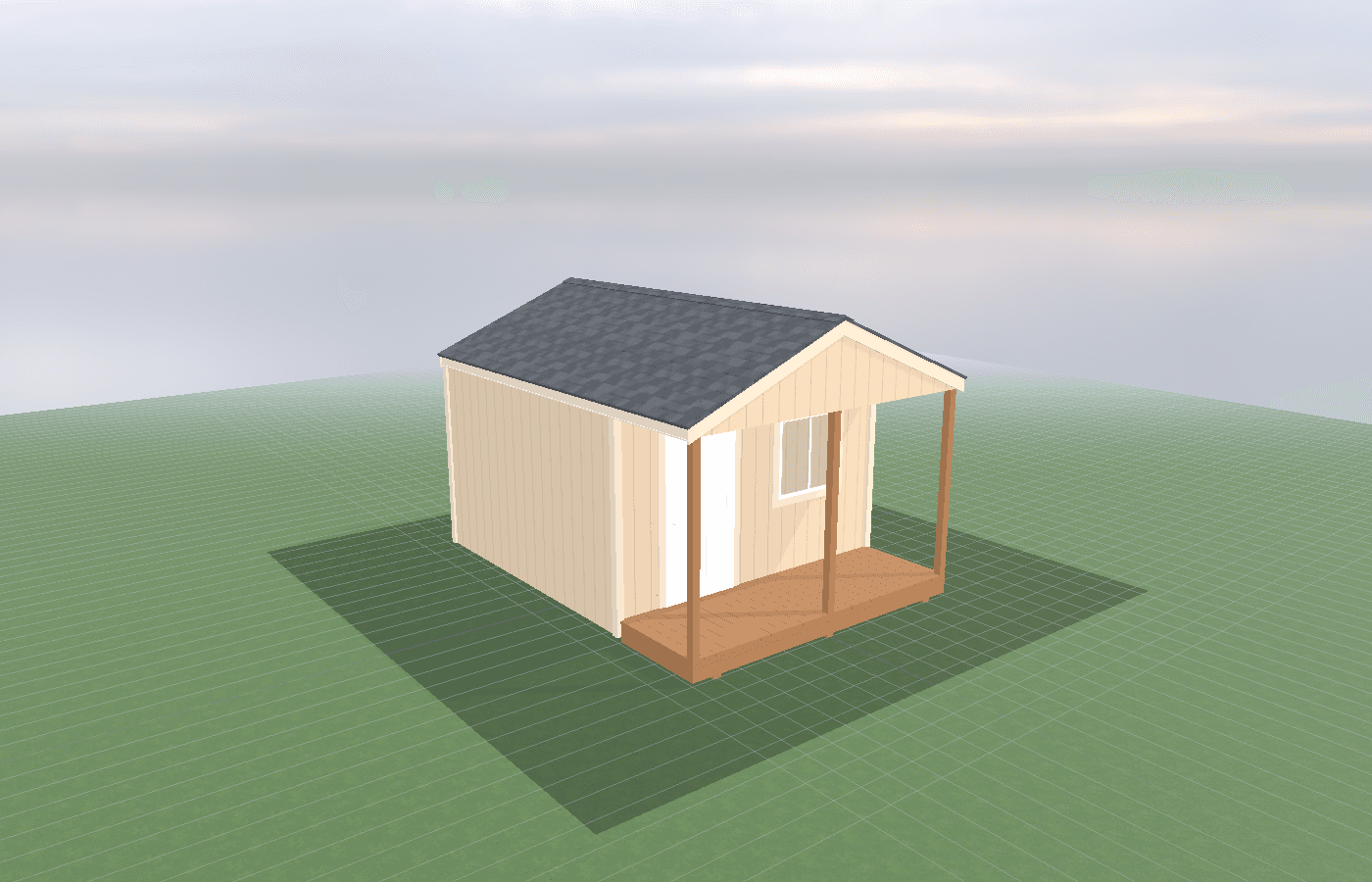
An 8x10 can work for smaller hobby operations, but it only stays easy to secure if the equipment list is disciplined. One extractor, one landing surface, a limited number of supers, and a simple cleanup routine are manageable. Once waste buckets, spare boxes, jars, and sticky tools start living in the same footprint, pest pressure gets harder to control because too many surfaces are competing for cleanup attention.
An 8x12 is often the best all-around size for North Idaho honey houses because it gives you room to separate sticky work from cleaner storage. That extra length matters for pest control. Lidded wax containers, a sealed cleanup tote, and the trash path can stay out of the extractor zone instead of being parked underfoot.
A 10x12 starts earning its keep when the room needs a stronger split between incoming supers, active extraction, and secured finished-product storage. More square footage does not make a room cleaner by itself, but it can make a clean workflow realistic. If the operator has room to move sticky material toward one controlled side and finished jars toward another, the whole building becomes easier to keep tight.
The real sizing question is not just how many hives the room serves. It is whether the room can support a one-way process without leaving sweet residue behind in the aisle, at the door, or around the clean storage side.
Best layouts and features for honey extraction shed
The strongest layout is a directional one. Supers come in on one side. Uncapping and extracting happen in the middle. Honey moves toward settling, bottling, or sealed container storage on the clean side. Waste wax, cappings, sticky towels, and rinse gear move toward a dedicated cleanup and disposal zone. That pattern matters because pests thrive on crossover. When the sticky side and the clean side are mixed together, the room never really resets.
Screened openings are one of the cheapest design choices with the biggest payoff. Vents and windows can help with heat and humidity, but in a honey room they need insect screening fine enough to keep flying pests out while still letting the building breathe. Door sweeps, tighter jambs, weatherstripping, and hardware that pull the door closed cleanly matter more here than they do in a generic utility shed.
Odor control also improves when every messy material has a designated container. Cappings, burr comb, wax scrapings, used towels, and rinse water containers should all be lidded or otherwise contained. Leaving them exposed “just until the end of the day” is exactly how a clean room starts training bees and insects to check the doorway.
Practical features that usually pay off include:
- screened vents and windows that still support controlled airflow
- tighter door hardware and thresholds so the shell closes decisively
- a lidded wax and cappings station instead of open scrap buckets
- a cleanup side with washable surfaces and quick access to soap, water, and sealed trash
- enclosed storage for jars, lids, filters, and finished honey so the clean side stays clean
This is one reason the dedicated honey extraction shed performs better than a borrowed corner of a garage or barn. The whole shell can be planned around what attracts pests instead of hoping general storage habits will be good enough.
A simple habit test helps here. Ask where a wet super rests while you answer the phone, where uncapping scraps sit while the extractor is still running, and where the rinse bucket lands when the room is nearly done for the day. If those answers point to open floors, open containers, or the doorway itself, the odor-control plan is incomplete. The best honey rooms do not require perfect discipline every minute. They make the correct temporary choices the easiest ones.
Cost, timing, and build-planning factors
Pest control is cheaper to build in than to retrofit. Screening, tighter closures, washable finishes, and a deliberate waste-handling corner cost far less when they are planned before the shed goes up. After the shell is finished, the usual “fix” is to buy more traps, more bins, more weatherstripping, and more cleanup gear for a room that still has the wrong traffic pattern.
North Idaho structural realities still apply. The shed still needs snow-ready framing, a base that respects the common 24-inch frost-depth discussion, and a site that does not force every extraction day through mud. Kootenai County notes that residential storage structures above 200 square feet require permit review in county jurisdiction and that grading, excavation, and runoff work may also need review. Idaho DOPL notes that even when the building permit comes from a local jurisdiction, electrical, plumbing, or HVAC work may still need separate trade permits and inspections. That matters when the honey house adds powered fans, dedicated lighting, or a cleanup sink.
Timing matters too. You do not want to discover weak pest control during the busiest extraction week. Test the room before full harvest load. Walk the threshold at dusk. Check whether the screened openings still breathe well when the room is warm. See where rinse water and sticky towels naturally land. If the room invites shortcut behavior, it will not stay secure in season.
If you want the shell, layout, and access plan reviewed before the room is locked in, get a free estimate. The right time to solve pest control is before the first sticky box crosses the door.
Popular sizes and layouts for honey extraction shed
An 8x10 works best for a disciplined small-scale operator who wants a compact extraction line and is willing to stay strict about sealed storage and same-day cleanup.
An 8x12 is the strongest all-around option for many North Idaho beekeepers because it leaves room for a true sticky side and a true clean side without making the building expensive to condition or difficult to secure.
A 10x12 is the better answer when the room needs more staging, more jar storage, or enough space that wax handling, trash handling, and finished-honey storage never overlap. It also gives the owner more room to keep the doorway clear so insects and wildlife are not being invited in by chronic clutter.
The layouts that usually stay cleanest are not the ones with the most shelves. They are the ones with the clearest separation: supers in, honey out, waste contained, cleanup immediate. In a honey room, odor control is really workflow control wearing a pest-control label.
Frequently asked questions about honey extraction shed
What size honey extraction shed works best for pest and odor control: keeping the space clean and secure?
For many North Idaho buyers, 8x10 and 8x12 are the best starting sizes because they balance usable floor space with realistic placement on the property. We then size up or down based on snow load, storage volume, and how much dedicated work or seating area you need. Compare 8x10 and see 8x12.
How do I keep pests out of a honey extraction shed?
Screen all vents and windows with fine mesh. Keep doors closed during extraction — the scent attracts bees, ants, and bears. Store honey in sealed containers and clean up spills immediately. See honey extraction options.
Frequently asked questions
What size honey extraction shed works best for pest and odor control: keeping the space clean and secure?
For many North Idaho buyers, 8x10 and 8x12 are the best starting sizes because they balance usable floor space with realistic placement on the property. We then size up or down based on snow load, storage volume, and how much dedicated work or seating area you need. Compare 8x10 and see 8x12.
How do I keep pests out of a honey extraction shed?
Screen all vents and windows with fine mesh. Keep doors closed during extraction — the scent attracts bees, ants, and bears. Store honey in sealed containers and clean up spills immediately. See honey extraction options.
Ready to plan your build?
Tell us your site, your dimensions, and the use case. We'll come out and price it.