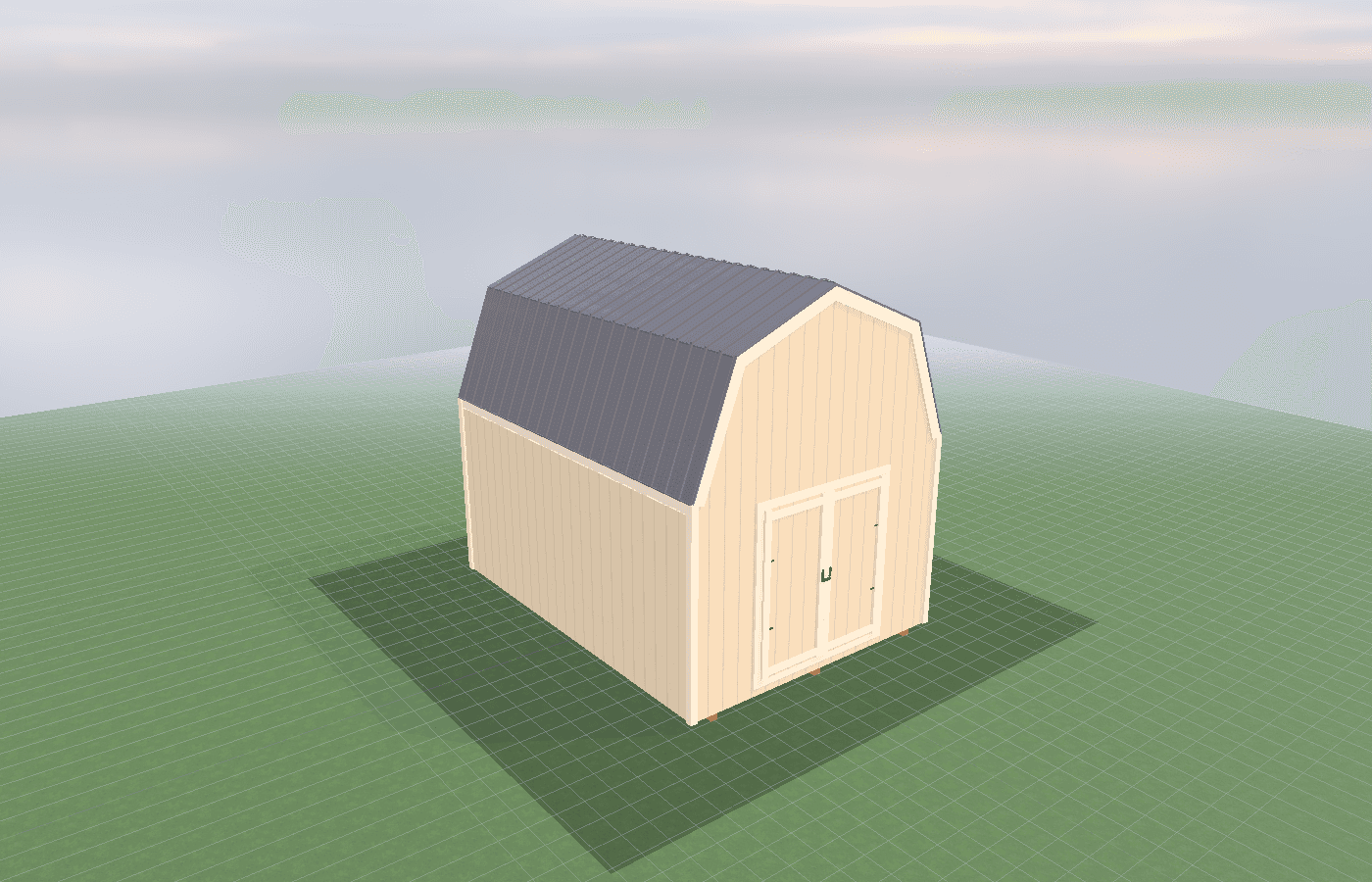
Humidity control for lake gear: dehumidifiers, vents, and storage
Lake gear fails slowly when humidity gets ignored. In North Idaho, a boat-gear shed needs enough airflow, dehumidification, and storage separation to dry life jackets, ropes, covers, and hardware without turning the room musty between trips.
Humidity Control for Lake Gear in North Idaho
Lake gear has a way of carrying moisture into a shed long after the obvious water is gone. Towels dry on the outside but stay damp in the folds. Life jackets trap moisture deep in the foam. Covers hold humidity along seams. Ropes, towables, wetsuits, and paddles all bring some version of lake air home with them. If the storage room only feels dry because the floor is not wet, it usually is not actually dry enough.
That is why a boat gear & winterization shed should be planned as a humidity-control room, not just a longer storage box. ENERGY STAR's current dehumidifier guidance is useful here because it gives owners a realistic humidity picture: spaces that feel musty often sit in the 50% to 75% relative-humidity range, and wetter conditions climb higher fast. EPA moisture guidance points in the same direction, emphasizing that moisture control is the key to mold control and that wet materials should be dried quickly.
In markets like Bayview, that advice becomes very practical. Gear comes home from the lake already damp, often to a site that is shaded, close to water, and influenced by changing temperatures. A shed can feel cool and calm while still holding enough humidity to let mildew, corrosion, and musty odors take over slowly.
Humidity control is therefore less about one machine and more about a system. The room needs some combination of insulation, ventilation, drainage discipline, dehumidification, and smart storage so moisture stops cycling through the gear every week.
How does shed size affect heating and airflow?
A 10x20 is often the smallest useful boat-gear footprint because it gives enough wall length for long gear plus some room for airflow between categories. In this size, humidity control depends heavily on not overpacking the room. A dehumidifier cannot do much if every cover, rope, and vest is stuffed tightly against the walls.
A 12x20 gives more flexibility to separate damp-return gear from longer-term storage. That extra width or aisle room helps keep vents clear, improves air circulation around larger items, and gives the owner a better shot at placing a dehumidifier where it can actually move air instead of fighting piles of stored fabric and plastic.
A 12x24 is often best for more serious gear rooms because it supports a true wet side and dry side. The owner can stage incoming damp gear near the easiest-to-clean area while long-term storage stays farther away. That kind of zoning matters because humidity control gets harder every time yesterday's damp gear is draped over the same space where clean items are supposed to stay ready.
The right size is the one that allows air to move around the gear, not just around the room. If the aisle is open but the storage walls are packed too tightly to dry, the shed is still too small for the intended use.
Systems planning for boat gear sheds
Start with moisture sources, not with appliances
The strongest humidity plan begins by identifying where moisture enters. Wet jackets, ropes, lines, fenders, PFDs, covers, and trailer accessories should not all move directly into long-term storage. One intake or drying zone near the door helps the owner sort what needs immediate drying from what is already ready to store.
EPA's mold guidance is helpful because it keeps the principle simple: moisture control comes first, and damp materials should be dried quickly. In shed terms, that means the room should make it easy to hang, spread, or stage damp items before they disappear into bins or onto shelves.
Dehumidifiers work best in rooms that are already organized for airflow
A dehumidifier can be very effective, but only when the room supports it. ENERGY STAR notes that dehumidifier sizing depends on how damp the space is and how much open room it has to work with. That means the machine needs a real location, not a leftover corner buried behind paddle racks and plastic bins.
Dehumidifiers are also not magic if water intrusion and air stagnation are still being ignored. A musty room with blocked vents, leaky thresholds, or wet covers thrown in a heap will overwhelm any reasonable dehumidifier much faster than most owners expect. If possible, plan for a drain route or a place where a collection bucket can be checked easily instead of hidden behind storage.
Ventilation and heating are separate tools
A heated room may feel drier, but heat alone does not remove moisture. Likewise, ventilation helps, but it has to support the way the room is used. Cross-ventilation, controlled fan use, and seasonal dehumidification all help different parts of the problem. The best solution often combines modest heat, real airflow, and active moisture removal.
This is why the workbook FAQ for this page is grounded in a mini-split plus insulation rather than in a heater alone. A mini-split can help stabilize the room, but the humidity strategy still needs storage discipline and targeted dehumidification if lake gear is routinely coming home wet.
Humidity control belongs in the winterization workflow
Owners who already think in maintenance steps usually end up with better humidity control because the room has a receiving zone, a drying zone, and a storage zone instead of one pileup area. That is why boat winterization checklist: building a shed that makes it easier belongs in this cluster. The same room that supports draining, wiping down, and putting gear away intentionally is the room that stays drier between trips.
Wet covers and life jackets should not go directly into sealed totes. Damp ropes should not be piled on the floor below the cleanest shelving. Humidity control is often just disciplined sequencing made easier by the room itself.
Long awkward gear changes humidity behavior
Boat sheds often hold long, fabric-heavy, or foam-heavy items that trap moisture differently than a box of tools would. That is why long-item storage: rods, paddles, skis, and covers belongs in this cluster. Long racks can either support airflow or accidentally compress wet gear against a wall where it never fully dries.
The better the room handles awkward gear, the less likely moisture is to hide in the storage system itself.
Cost, timing, and build-planning factors
Humidity-control costs usually show up through insulation, wall finishes, power for dehumidification or climate control, better intake storage, and enough floor area to stop gear from being packed too tightly. The most expensive mistake is often building a nice long room and then discovering it functions like a damp tunnel because the storage plan never left room for air movement.
Timing matters because the room's moisture behavior is easiest to improve before it is finished. Outlet placement for dehumidifiers, possible drain routing, vent or fan locations, and enough wall structure for hanging wet gear are all easier to solve before the interior is built out. It is much harder to retrofit an airflow path after every wall already carries racks and shelving.
North Idaho structural realities still remain in play. The shell still has to handle local snow loads and the site prep still has to fit the county and trade-review path that applies to the parcel. Those basics matter because humid rooms only work well when the envelope itself stays stable and weather-ready.
Local approval matters too. Kootenai County's Building Division handles many county permits for accessory structures, and Bonner County's Building Location Permit process has moved through its online portal while still requiring applicants to coordinate separate state trade permits where needed. If the owner is building a larger gear room with utilities and stronger interior systems, it should be approached as a real project, not a casual storage add-on.
If you want the shed to protect gear from moisture instead of quietly storing it wet, request a free estimate before the shell is finalized. Humidity control is easiest to build in when the room is still being planned.
Popular sizes and layouts for boat gear sheds
A 10x20 works best for owners who need one long storage wall and one disciplined drying intake zone. A 12x20 is often the sweet spot because it gives better aisle width, more airflow around bulkier items, and more freedom to place a dehumidifier or drying station where it can actually function.
A 12x24 is stronger when the shed has to support regular lake use, more covers and vests, or a clearer wet-versus-dry separation. In that footprint, the room can hold long gear without turning into one packed storage plane where every damp item touches the next one.
The best layout usually keeps wet-return items nearest the easiest-to-clean wall, reserves longer-term storage for the calmer side of the room, and leaves enough air space that moisture can actually leave the gear. If the room smells neutral, the gear dries faster, and mildew stops showing up unexpectedly, the plan is probably working.
Frequently asked questions about boat gear sheds
What size boat gear shed works best for humidity control for lake gear: dehumidifiers, vents, and storage?
For many North Idaho buyers, 10x20 and 12x20 are the best starting sizes because they balance usable floor space with realistic placement on the property. We then size up or down based on snow load, storage volume, and how much dedicated work or seating area you need. Compare 10x20 and see 12x20.
What climate control does a boat gear & winterization shed need in North Idaho?
At minimum, insulate to R-19 walls and R-38 ceiling for year-round use. A mini-split heat pump handles heating and cooling efficiently. Add ventilation specific to your use case. Get a free estimate.
Frequently asked questions
What size boat gear shed works best for humidity control for lake gear: dehumidifiers, vents, and storage?
For many North Idaho buyers, 10x20 and 12x20 are the best starting sizes because they balance usable floor space with realistic placement on the property. We then size up or down based on snow load, storage volume, and how much dedicated work or seating area you need. Compare 10x20 and see 12x20.
What climate control does a boat gear & winterization shed need in North Idaho?
At minimum, insulate to R-19 walls and R-38 ceiling for year-round use. A mini-split heat pump handles heating and cooling efficiently. Add ventilation specific to your use case. Get a free estimate.
Ready to plan your build?
Tell us your site, your dimensions, and the use case. We'll come out and price it.