Kayak storage in freezing climates: preventing warping and mildew
In North Idaho, winter kayak damage usually comes from bad support and trapped moisture, not just cold air. A good paddle shed gives boats space to dry, broad support during long storage, and enough airflow that hulls, straps, and soft goods do not spend all winter damp.
Kayak Storage Freezing Climates in North Idaho
Winter storage in North Idaho is hard on paddling gear because the problems stack up. A kayak or paddleboard comes home wet, gets leaned against the wrong wall, then sits through a long stretch of freezing nights, thawing afternoons, and damp shoulder-season weather. By spring, owners are not just dealing with dust. They are dealing with compression dents, stale gear bags, funky deck pads, and hulls that never really dried before they were parked.
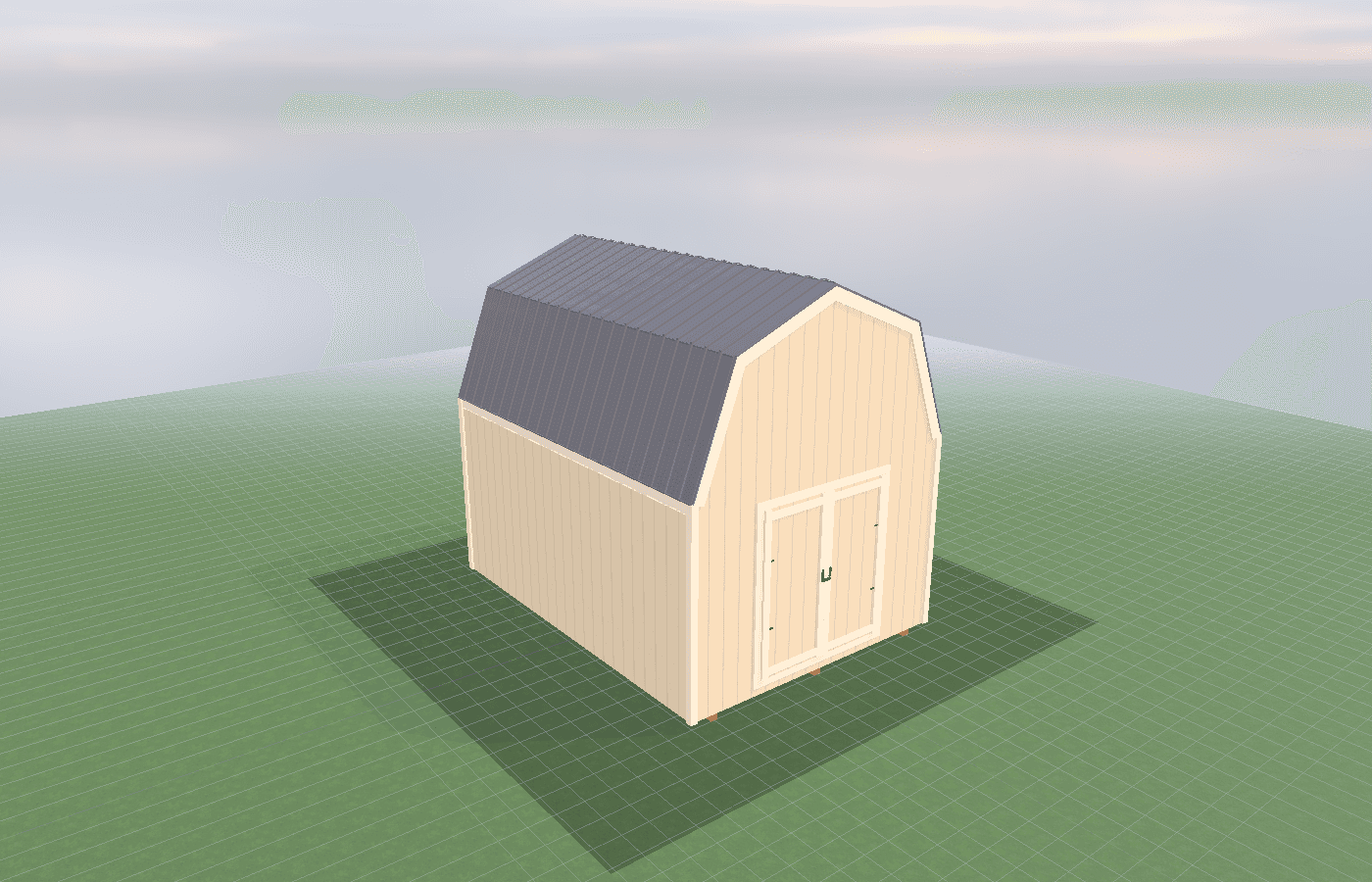
The fix is not simply "put it inside." It is storing the gear in a way that respects how long, light hulls behave over several months. That is why a purpose-built kayak / paddleboard storage shed works so much better than a generic backyard box. The room can be laid out around the boats themselves, with rack spacing, wall length, and airflow built for paddling gear instead of assumed after the fact.
Manufacturer guidance backs up the basics. ASCEND's current kayak information says a dry, cool, shaded area is ideal and recommends vertical storage from keel to bow or deck-side down rather than storing the kayak on its side. Starboard's warranty language also treats improper storage and storing boards in closed, damp conditions as avoidable damage risks. Put those together and the picture gets clearer: North Idaho winter storage is mostly about even support and moisture control.
That matters even more around lake-heavy markets like Bayview, where paddling gear often returns to the shed already damp and the property may stay shaded longer than inland lots. A cold, tight, damp room can protect the boats from sun while still setting them up for mildew and avoidable wear.
What size kayak / paddleboard storage gives you enough usable room?
An 8x10 is the honest minimum for a small paddling setup if the room is built around the boats instead of around random shelving. It can work for one or two kayaks or SUPs, paddles, and a small amount of accessory storage, but the organization has to stay disciplined. Broad wall supports, clean vertical clearance, and one open retrieval path matter more than extra bins.
An 8x12 gives noticeably more breathing room. That extra length helps create a small intake or drying area near the door so wet gear is not immediately draped over long-term storage. For many owners, this is the sweet spot because it supports safer boat storage without making the project oversized.
A 10x12 is usually better when the room needs to handle family gear, more than two long boats, or a real split between long-item storage and soft-goods storage. The additional width also makes it easier to keep broad supports and paddles on the wall without crowding the main aisle.
The most useful size is the one that still works after the racks go in. If the boats fit only by pressing against each other, or if the only available storage position leaves a hull resting on a narrow edge all winter, the room is undersized for the collection even if the square footage looked fine on paper.
Best layouts and features for kayak / paddleboard storage
Support the hull before you worry about maximizing capacity
In freezing climates, storage mistakes last for months. Narrow hooks, unsupported mid-spans, and handle-only hanging systems all concentrate weight in the wrong places. For rotomolded kayaks, that can lead to long-term distortion when the boat sits loaded on the same points month after month. For boards, pressure dents and bag-related moisture problems become more likely when the storage method prioritizes compactness over support.
The safest layouts use broad, padded contact points and let the boat rest in a way that matches the strongest parts of the hull. On compact sheds, that often means a careful vertical or near-vertical wall system. On bigger rooms, it may mean horizontal racks with enough wall length to keep the support spread out. If you are still sorting that out, vertical vs horizontal racks: what's safest for your gear is the right companion guide.
Build a drying zone, not just a storage zone
Mildew usually starts before the "storage" phase. It starts when wet boats, damp PFDs, paddles, and leashes go into the room without a reset step. A freezing-climate shed should therefore have one small intake area where water can drip off, soft goods can hang, and the owner can wipe down the hull before it goes back on the rack.
This does not have to be elaborate. A wipe-down surface, a boot tray or easy-clean floor area, and a set of hooks for PFDs and straps can be enough. The important part is that damp gear does not disappear immediately into a zipped bag or sealed tote.
Keep closed bags and covers from trapping moisture
One of the easiest mistakes in North Idaho is putting a board or kayak away in a way that feels neat but traps moisture. Closed damp bags, tight covers, and crowded accessory bins all slow drying and create the musty smell owners notice in spring. A shed should make it easier to leave bags partly open, hang straps to dry, and separate soft goods from the cleanest long-term storage posture.
This is where lake-storage planning overlaps with winterization planning. Boat winterization checklist: building a shed that makes it easier is useful here because it frames the room as a workflow: receive wet gear, dry it, then store it.
Design retrieval around real winter use
The safest storage system is one the owner will actually use on a cold day. If lifting a kayak into the top position requires awkward twisting in a narrow aisle, the layout may look efficient but fail in practice. Winter retrieval is often gloves-on, boots-on, and done when the ground outside is slick. That argues for cleaner access and less overstacking than many homeowners first imagine.
Boats used less often can live higher or deeper in the room. The most-used boat, paddle set, and safety gear should be on the fastest, least awkward path. That is especially true on Bayview-area properties where lake access and wet-weather transitions can make the return trip messy.
Cost, timing, and build-planning factors
Freezing-climate paddle storage costs usually rise because of layout decisions, not because the shell itself is exotic. Broad wall supports, long-item walls, venting, better interior finishes, and enough open floor to dry gear properly all add value. The cheapest room to build is often the one that pushes boats into bad positions and creates more maintenance later.
Timing matters because the best rack layout should be solved before the wall finish goes up. If you know where the boats belong, the builder can add backing, plan vent locations, and make sure the door swing and aisle actually support the storage strategy. Waiting until after completion often produces racks that fit the leftover wall space rather than the hulls.
North Idaho site realities still apply. The shed still needs to be planned for snow loads that commonly range from around 40 psf to 60-plus psf depending on site conditions, and the foundation conversation still has to respect the usual 24-inch frost-depth discussion. A paddle shed may look simple, but it is still a real outbuilding that has to survive winter like every other one.
County review matters too. Kootenai County says residential storage buildings over 200 square feet require building permits in county jurisdiction, while Bonner County's planning FAQ says development review, location permits, and other state trade permits can apply as structures get larger or more utility-ready. The result is straightforward: if the room is getting bigger, more permanent, or more finished, review the parcel-specific rules early.
If you want the size and rack plan dialed in before the cold season starts, request a free estimate while the project is still on paper. That is the cheapest point to fix a bad storage posture.
Popular sizes and layouts for kayak / paddleboard storage
An 8x10 works best when the room is primarily a long-gear shell with one clear boat path and modest accessory storage. This is often the right answer for one serious paddler or a small household that values secure storage more than indoor workspace.
An 8x12 is usually the best general-purpose freezing-climate size because it allows a cleaner split between the boat wall and the drying or accessory zone. Owners get more breathing room without jumping to a much larger footprint.
A 10x12 is the better fit when the room has to support more than two long pieces of gear, or when the family wants a more forgiving aisle plus seasonal accessory rotation. It also makes mixed rack strategies easier, such as one wall for boats and another for paddles, jackets, and carts.
The best layout is the one that keeps boats evenly supported, lets wet gear finish drying, and makes retrieval simple enough that the owner uses the rack correctly every time. If the shed reduces spring cleanup instead of creating it, the layout is doing its job.
Frequently asked questions about kayak / paddleboard storage
What size kayak / paddleboard storage works best for kayak storage in freezing climates: preventing warping and mildew?
For many North Idaho buyers, 8x10 and 8x12 are the best starting sizes because they balance usable floor space with realistic placement on the property. We then size up or down based on snow load, storage volume, and how much dedicated work or seating area you need. Compare 8x10 and see 8x12.
What layout maximizes usable space in a kayak / paddleboard shed?
Start with your largest item and build the layout around it. Wall-mounted storage, overhead racks, and French cleat systems make the most of vertical space. Get a free estimate.
Frequently asked questions
What size kayak / paddleboard storage works best for kayak storage in freezing climates: preventing warping and mildew?
For many North Idaho buyers, 8x10 and 8x12 are the best starting sizes because they balance usable floor space with realistic placement on the property. We then size up or down based on snow load, storage volume, and how much dedicated work or seating area you need. Compare 8x10 and see 8x12.
What layout maximizes usable space in a kayak / paddleboard shed?
Start with your largest item and build the layout around it. Wall-mounted storage, overhead racks, and French cleat systems make the most of vertical space. Get a free estimate.
Ready to plan your build?
Tell us your site, your dimensions, and the use case. We'll come out and price it.