North-light vs south-light: window placement for studio sheds
Window placement can make or break a studio shed before the first easel or worktable goes in. In North Idaho, north light, south light, glare, winter warmth, and snow-season daylight all matter at the same time, so there is no one-size-fits-all answer. On-site construction helps because the window pattern can be tuned to the lot, the trees, and the type of studio work you actually do.
North-Light vs South-Light in North Idaho
The north-light versus south-light question sounds like an art-school debate until you try to work in a real shed through a North Idaho winter. North light is prized because it is even and soft. South light is valuable because it brings winter brightness and passive heat. In a small studio, both can be right and both can be wrong depending on the work, the lot, and the rest of the shell.
DOE daylighting guidance is a useful starting point. It notes that north-facing windows tend to provide relatively even natural light with little glare and little unwanted summer heat gain, while south-facing windows admit most winter sun and can contribute useful solar warmth when managed correctly. That tradeoff maps directly onto studio sheds.
For an art studio shed, the real question is not which orientation wins in theory. It is what kind of work happens in the room. Painting and color-critical work often prefer steadier, softer light. A mixed-use creative shed may benefit from winter brightness and warmth from the south side. The right answer may be one dominant orientation with a controlled secondary source instead of trying to make every wall a window wall.
This is where on-site construction helps. NIOS can position the shed on the lot to protect solar access, account for neighbor sightlines, and preserve the best working wall while still giving the room the daylight character you actually want. Around Coeur d'Alene, tree cover, neighboring homes, and fence lines often matter as much as compass direction.
On many North Idaho lots, the answer is also seasonal. In leaf-off months, a south-facing exposure can be dramatically brighter than it looked during a summer site visit. On treed parcels, a north orientation may stay more consistent through the year because the light is coming from the sky dome rather than from a narrow solar window between trunks. That is why site photographs alone are not enough; the working season matters.
When does shed size change snow-load design?
Size changes daylight strategy because the deeper the room gets, the harder it is to distribute useful natural light without glare or layout conflicts.
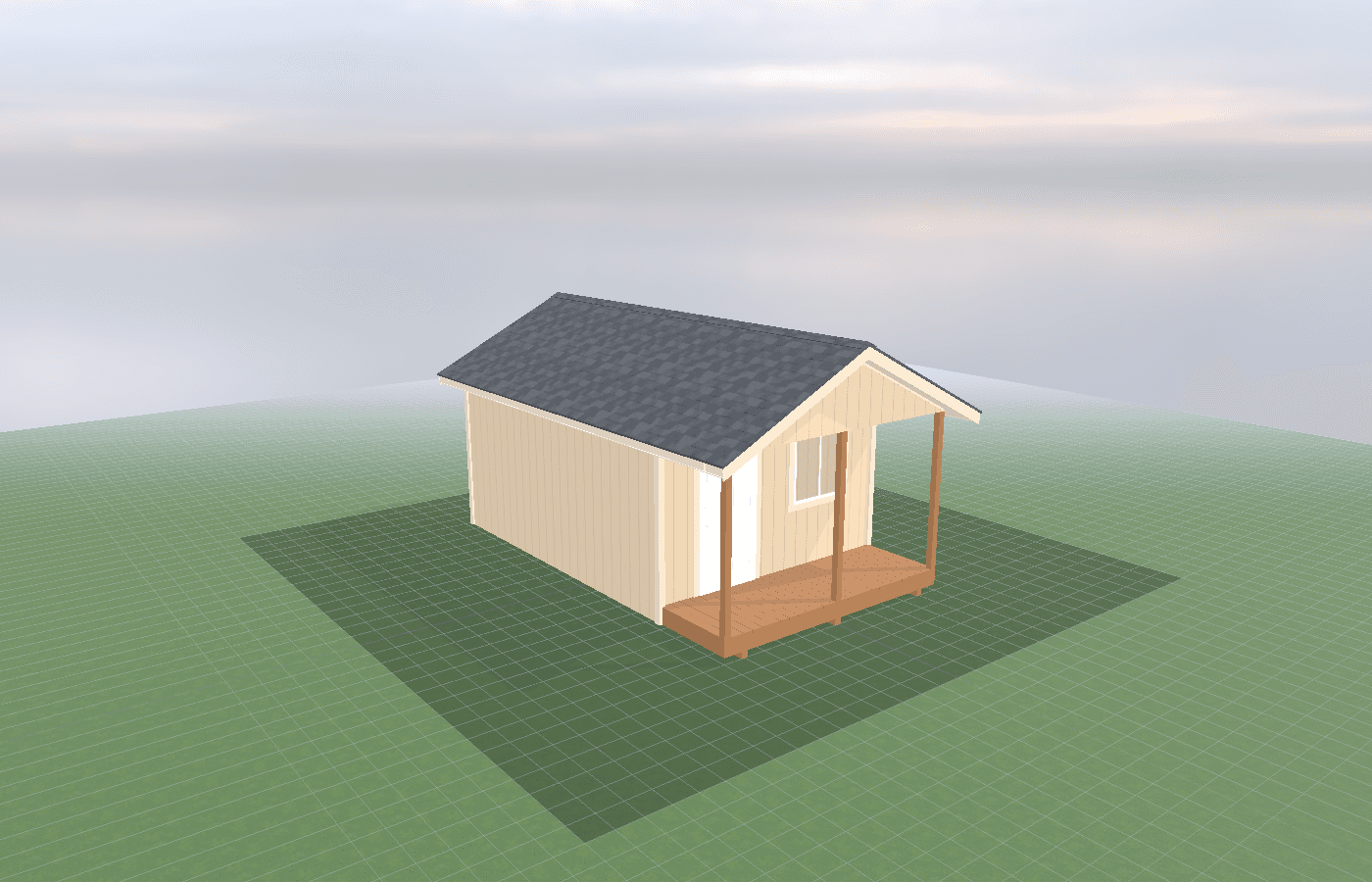
A 10x12 is compact enough that one well-designed window wall can carry a lot of the room. That makes orientation especially important. A north-facing studio window can bathe most of the space in soft light, while south-facing glass can make the room feel bright and warm but may need shading or careful desk placement.
A 10x16 is often the point where the studio needs a more deliberate daylight plan. The extra depth means one wall of windows may not be enough, especially in winter when the sun angle is low and daylight hours are short. That does not mean adding windows randomly. It means pairing a dominant light orientation with one or two supporting openings or higher clerestory-style windows.
A 12x12 sits in the middle. The extra width can be excellent for side light across a worktable, but it also makes it easier to ruin one long wall with badly placed glazing. As size grows, the roof span and snow-load design matter more too, so larger window groupings need to be balanced against structure and insulation performance.
That is why the prompt's size progression matters. Once the room gets bigger than the smallest footprint, daylight becomes a systems question, not just a pretty-window question.
North Idaho weather and material performance
North Idaho weather changes how each orientation behaves. North light is stable and color-friendly, but it can feel cooler and flatter in deep winter unless the room is well insulated and supplemented with good task lighting. South light is bright and useful for winter comfort, but DOE passive solar guidance is clear that south-facing glazing should be managed with shading and layout awareness so it does not overheat or glare in the wrong seasons.
The wall assembly matters too. More glass means less insulated wall, which means the thermal balance of the studio shifts quickly if the windows are not good enough or are placed on the wrong wall. Snow load and roof design also matter because wider roofs and larger openings have to work together honestly. That is one reason to read ventilation for painting, resin, and solvents and studio shed storage: keeping supplies from freezing or overheating alongside the daylight plan. Studios are not just about light; they are also about air quality and material storage.
Another North Idaho-specific factor is snow reflection. Bright snow outside can bounce a surprising amount of light back into the room. On a south-exposed lot that can be welcome. On the wrong work surface it can create more glare than expected. Trees, overhangs, blinds, and the height of the windows all shape whether that reflected winter brightness helps or hurts.
Window height matters as much as window direction. Higher glazing can pull daylight deeper into the room while protecting wall space for easels, shelves, and cabinets. Lower glass can feel more open, but it also increases glare on work surfaces and makes winter heat loss more noticeable when the desk sits right under the opening. In small studios, a few inches in sill or head height can change the room more than adding another window.
The best studio sheds treat window placement as a climate decision and a workflow decision at the same time.
Cost, timing, and build-planning factors
The biggest cost drivers are window quality, window count, shading details, and the framing changes needed to support larger openings cleanly. A controlled daylight plan with a few good windows usually performs better than a room full of cheaper glass.
Timing matters because lot orientation, trees, and access should be considered before the pad and shell are fixed. DOE passive solar guidance notes that southern exposure can be blocked by future trees or buildings, and that is just as true for small outbuildings as it is for houses. If the studio is going in below existing conifers or near a future fence or addition, the light plan should be based on the real long-term lot, not just today's open patch of sun.
Permit timing can matter too if the footprint or overall project scope grows. In unincorporated Kootenai County, residential storage buildings over 200 square feet require permits. Bonner County uses a different planning threshold. Even below those common lines, changing window layouts after the shell is built is one of the most frustrating studio mistakes because it affects structure, light, insulation, and wall layout all at once.
If you want the window package designed around the real lot and the real studio workflow, request a free estimate before the shell and opening schedule are finalized.
Popular sizes and layouts for art studios
For many studio sheds, 10x12, 10x16, and 12x12 are all viable, but they lean toward different lighting solutions.
A 10x12 works best when one orientation clearly dominates. A north-light painting shed can be excellent at this size. A south-light studio can also work beautifully if the owner wants winter warmth and plans the worktable to avoid glare. A 10x16 usually benefits from a primary light wall plus supporting windows so the back of the room does not go dark in winter. A 12x12 can support a centered worktable and more lateral light, but it still needs one strong uninterrupted wall for storage or display.
The best layouts protect the main work surface from direct glare, preserve enough insulated wall for shelves and cabinets, and consider how blinds, shades, or awnings will be used through the seasons. A studio that looks dramatic in summer but is difficult to work in during January is not really well planned.
A good studio layout also thinks about when artificial light takes over. In December, even a beautifully oriented studio will still rely on task and ambient lighting by late afternoon. The best window plan is the one that reduces strain and glare during the useful daylight hours, then hands the room off cleanly to the electric-light plan instead of fighting it.
The right answer is rarely pure north or pure south in isolation. It is the mix that fits the work, the lot, and the North Idaho seasons.
That is the practical advantage of on-site construction. The studio can be set up around real daylight and real winter conditions instead of around a generic front elevation.
Frequently asked questions about north-light vs south-light
When does shed size start changing snow-load planning for a art studio in North Idaho?
Once spans get wider and the roof carries more drifting potential, size starts to matter a lot more for truss design, pitch, and door placement. Comparing a 10x12 shed to a 10x16 shed is often the point where structure, overhangs, and site exposure need a closer look. See 10x12 and compare 10x16.
How do I choose the best placement for a art studio shed on my lot?
Consider setbacks, sun exposure, access paths, and neighbor sightlines. In North Idaho, also account for snow drift patterns and prevailing wind direction. Check county permits.
Frequently asked questions
When does shed size start changing snow-load planning for a art studio in North Idaho?
Once spans get wider and the roof carries more drifting potential, size starts to matter a lot more for truss design, pitch, and door placement. Comparing a 10x12 shed to a 10x16 shed is often the point where structure, overhangs, and site exposure need a closer look. See 10x12 and compare 10x16.
How do I choose the best placement for a art studio shed on my lot?
Consider setbacks, sun exposure, access paths, and neighbor sightlines. In North Idaho, also account for snow drift patterns and prevailing wind direction. Check county permits.
Ready to plan your build?
Tell us your site, your dimensions, and the use case. We'll come out and price it.