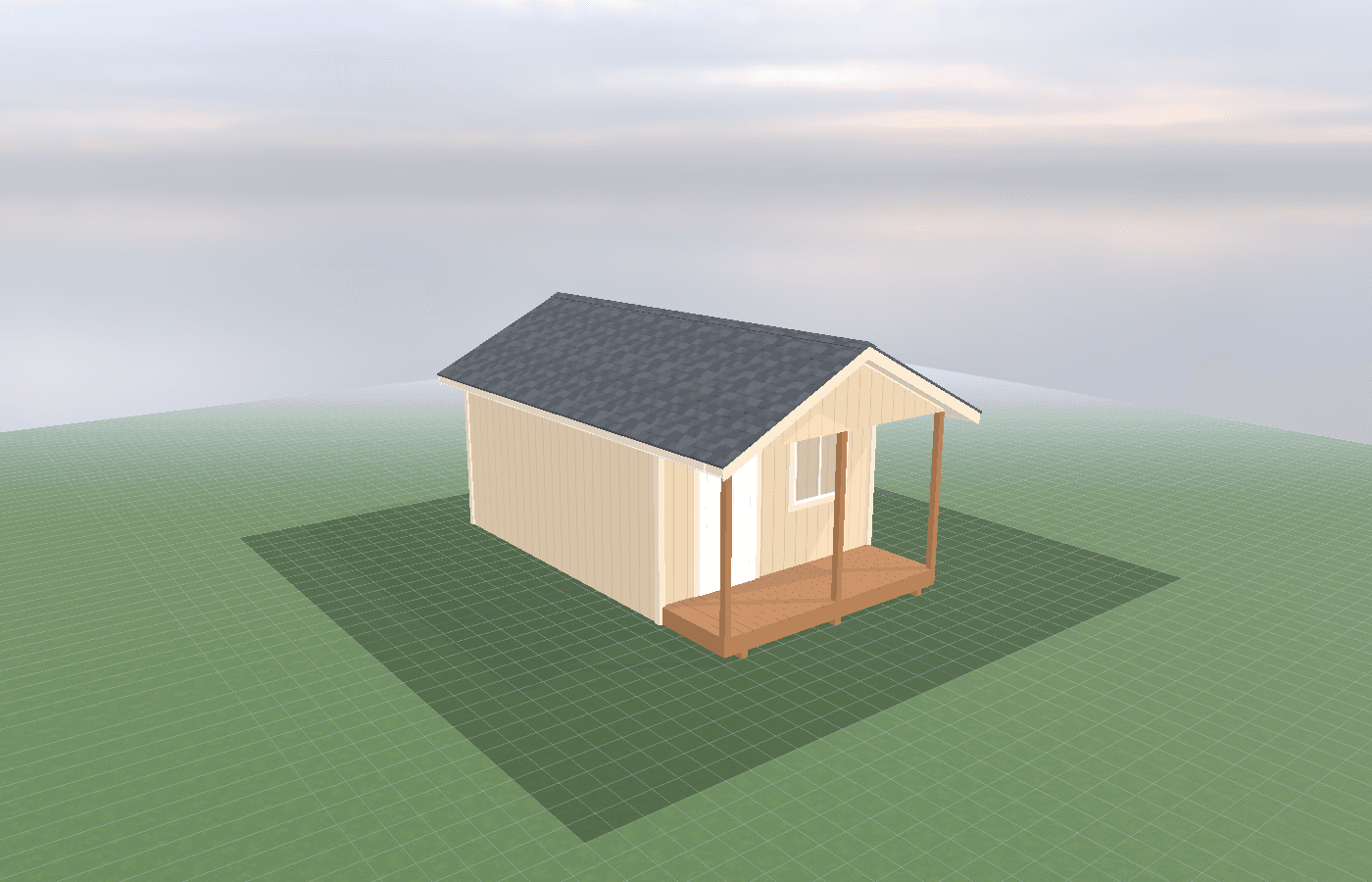
Studio shed storage: keeping supplies from freezing or overheating
Art supplies do not care that a shed looks finished from the outside. If the room swings from freezing to overheated, paints separate, adhesives fail, and stored materials lose value fast. In North Idaho, studio storage has to account for deep winter cold, shoulder-season humidity, and summer sun through the windows. On-site construction helps because shelves, heater locations, insulation, and window placement can be designed around the supplies you actually need to protect.
Studio Shed Storage Keeping in North Idaho
A studio shed usually stores more temperature-sensitive material than people realize. Paints, inks, adhesives, clay, paper, canvases, resins, and even electronics all react differently to cold, heat, or humidity swings. Some freeze and separate. Some get brittle. Some soften or cure too fast. A room that seems acceptable for a chair and a table can still be a bad storage environment.
That matters in North Idaho because an unconditioned outbuilding can swing far past what most art materials like. A sunny afternoon can heat a glazed wall quickly. A winter night can drive the room below freezing if the shell is not protected. The problem is not just one extreme day. It is repeated cycling back and forth.
For an art studio shed, storage planning should happen before the shelves are built. Which materials need a minimum temperature? Which ones need to stay out of direct sun? Which can live near the floor and which should stay up high? Those answers shape the room more than many owners expect.
This is where on-site construction helps. NIOS can preserve cooler storage walls, locate windows away from the most sensitive materials, and leave room for a thermostatically controlled heater or quieter HVAC setup that protects supplies even when no one is actively working in the room.
That is especially true on compact neighborhood properties around Coeur d'Alene, where the studio often has to do everything in one small envelope. When the room is part workspace, part supply room, and part overflow storage, the materials lose unless the layout deliberately reserves stable space for them. Good storage planning is really climate planning in disguise.
How does shed size affect heating and airflow?
Size changes storage strategy because the air volume, shelf depth, and ability to create warmer and cooler zones all change with it.
A 10x12 can work very well as a compact studio, but the storage plan has to be disciplined. Shelves crowd the room quickly, and every window or heater location matters more. This size usually works best when the most temperature-sensitive items are concentrated into one protected storage wall or cabinet system rather than scattered around the room.
A 10x16 gives more freedom to separate the active work area from the storage side. One end can stay cleaner and more stable for materials while the other handles the main bench or easel. That separation makes climate control easier because the room is not trying to serve every need in one corner.
A 12x12 is a good middle option when the owner wants wider work zones but still needs organized shelving. As with other studio topics, bigger is not automatically safer for supplies. A larger room with bad window exposure and weak heating can still produce freeze-and-thaw cycles that ruin materials.
The best size is the one that gives the storage plan an actual home. If the shelves are an afterthought, the materials usually suffer first.
Systems planning for art studios
Keep the shell stable first
The most important storage upgrade is not a fancy cabinet. It is a shed shell that stays reasonably stable. That means insulation, decent air sealing, and some way to keep the room out of damaging extremes. The prompt's FAQ is a good baseline for the cold side of that problem: keeping many art supplies above roughly 40°F prevents freezing damage to a lot of paints, adhesives, and similar materials.
A minimum-heat strategy also needs to be honest about outages and shoulder seasons. If the thermostat only protects the room during the coldest nights but the shell overheats on bright spring afternoons, some materials still get abused. The target is not perfect museum storage. It is a room that avoids the sharp swings that ruin supplies before the owner notices.
Protect materials from direct solar gain
Windows are wonderful for working light and terrible for some stored materials if the shelves sit right in the beam. South-facing light can help the room in winter, but it can also overheat paints, adhesives, and paper products if they are stored in direct sun. That is why north-light vs south-light: window placement for studio sheds matters to storage just as much as it matters to painting.
Airflow and fumes affect storage too
Supplies stored in a room that also handles solvents, painting, or resin work need protection from fumes and temperature spikes. Keep reactive or odor-sensitive storage away from the active wet-work zone. If the room handles chemical work, ventilation for painting, resin, and solvents should be part of the same plan.
Use cabinets, bins, and shelf placement intelligently
Heavy liquids belong on sturdy low shelves but not directly on a cold floor. Paper and canvases usually do better off exterior walls and out of direct sunlight. Sensitive adhesives and finishes often deserve an interior cabinet where temperature swings are slower. Good storage is about placement as much as protection.
Containers matter too. Clear bins make inventory easier, but sealed bins in direct sun can trap more heat than open shelving. Deep cabinets protect against light and dust, yet they should still allow enough airflow that damp paper or fabric does not stay stagnant. The best systems mix open shelves, cabinets, and a few insulated or interior-positioned storage zones based on what each material actually needs.
Cost, timing, and build-planning factors
The main cost drivers are shell quality, climate-control strategy, cabinetry, and whether the studio needs a simple thermostat-protected minimum heat setup or full-time conditioning. A small electric heater on a thermostat can protect supplies in some sheds, but it only works well if the shell is insulated honestly and the heater location makes sense.
Timing matters because cabinetry, window placement, and heater locations should be coordinated before the room is finished. Once the shed is built, it is frustrating to discover the best shelf wall is now full of glass or the heater sits exactly where the supply cabinet needs to go.
Permit timing may also matter as the project grows. In Kootenai County, residential storage buildings over 200 square feet require permits. Bonner County uses different thresholds and can require additional approvals for associated systems. Even below those lines, the practical advice is the same: design the shell for the actual way the room will be used, not just for the minimum version of the idea.
If you want the storage plan and climate-control plan worked into the shell from day one, request a free estimate before the layout is locked. That is much easier than rescuing damaged materials later.
Popular sizes and layouts for art studios
For most art studio sheds, 10x12, 10x16, and 12x12 are all workable, but each supports storage differently.
A 10x12 is excellent when the storage needs are compact and carefully curated. A 10x16 is often the best overall choice because it gives a cleaner split between work and storage while still staying easy to heat. A 12x12 can be very comfortable if the shelves and cabinets are organized to protect one strong work wall and keep sensitive materials out of the sun.
The best layouts place the most temperature-sensitive supplies on the most stable wall, away from door drafts, direct sun, and the coldest exterior corners. Put long-term storage where it does not compete with the main creative surface. Leave one cabinet or zone specifically for the materials that cannot tolerate freeze-thaw abuse.
Long-term storage also benefits from habit-friendly placement. If the good cabinet is awkward to reach, the delicate supplies will end up on the nearest open shelf by the window. A studio layout should make the safest storage locations the easiest ones to use at the end of a work session, especially when the room is cold and the owner wants to clean up quickly. That small ergonomic choice saves more material than most people expect and keeps the best cabinet from becoming decorative dead space.
A studio that protects its materials is easier to use, easier to keep organized, and cheaper to own. The owner is spending time making work, not replacing ruined supplies.
That is the real advantage of planning storage into the shell from the beginning instead of improvising it with leftover shelves after the build is done.
Frequently asked questions about art studios
What size art studio works best for studio shed storage: keeping supplies from freezing or overheating?
For many North Idaho buyers, 10x12 and 10x16 are the best starting sizes because they balance usable floor space with realistic placement on the property. We then size up or down based on snow load, storage volume, and how much dedicated work or seating area you need. Compare 10x12 and see 10x16.
How do I prevent art supplies from freezing in an unheated studio shed?
Keep the shed above 40°F minimum — paints, adhesives, and clay crack when frozen. A small electric heater on a thermostat protects supplies when you are not working. Insulate walls to R-19 minimum. See art studio options.
Frequently asked questions
What size art studio works best for studio shed storage: keeping supplies from freezing or overheating?
For many North Idaho buyers, 10x12 and 10x16 are the best starting sizes because they balance usable floor space with realistic placement on the property. We then size up or down based on snow load, storage volume, and how much dedicated work or seating area you need. Compare 10x12 and see 10x16.
How do I prevent art supplies from freezing in an unheated studio shed?
Keep the shed above 40°F minimum — paints, adhesives, and clay crack when frozen. A small electric heater on a thermostat protects supplies when you are not working. Insulate walls to R-19 minimum. See art studio options.
Ready to plan your build?
Tell us your site, your dimensions, and the use case. We'll come out and price it.