Organizing feed, supplements, and tools by animal
A feed room gets harder to use every time one species shares the wrong scoop, supplement, or corner with another. In North Idaho, organizing feed by animal works best when storage zones, labels, bins, and daily-tool placement are planned as a system, because the same room often serves horses, goats, poultry, pets, and seasonal chore supplies at the same time.
Organizing Feed Supplements in North Idaho
A feed room usually becomes disorganized for a simple reason: it is trying to serve too many animals with one undifferentiated wall of bags, tubs, and scoops. Horse feed ends up beside poultry feed. Minerals migrate away from the right species. Empty tubs become overflow parts bins. Someone grabs the nearest scoop instead of the correct one. None of that feels catastrophic in the moment, but over time it turns daily chores into a room that constantly forces double-checking, cleanup, and re-sorting.
North Idaho conditions make that worse because the room is not just an inventory space. It is also a seasonal transition space. Muddy boots come in. Bags arrive damp around the edges in shoulder season. Supplements and tools change with winter and summer workload. On smaller properties around Athol, a single shed may support horses, goats, poultry, and dogs at once. That means organization has to do more than look neat. It has to reduce mix-ups and help the room stay inspectable when the weather and the chore pace get messy.
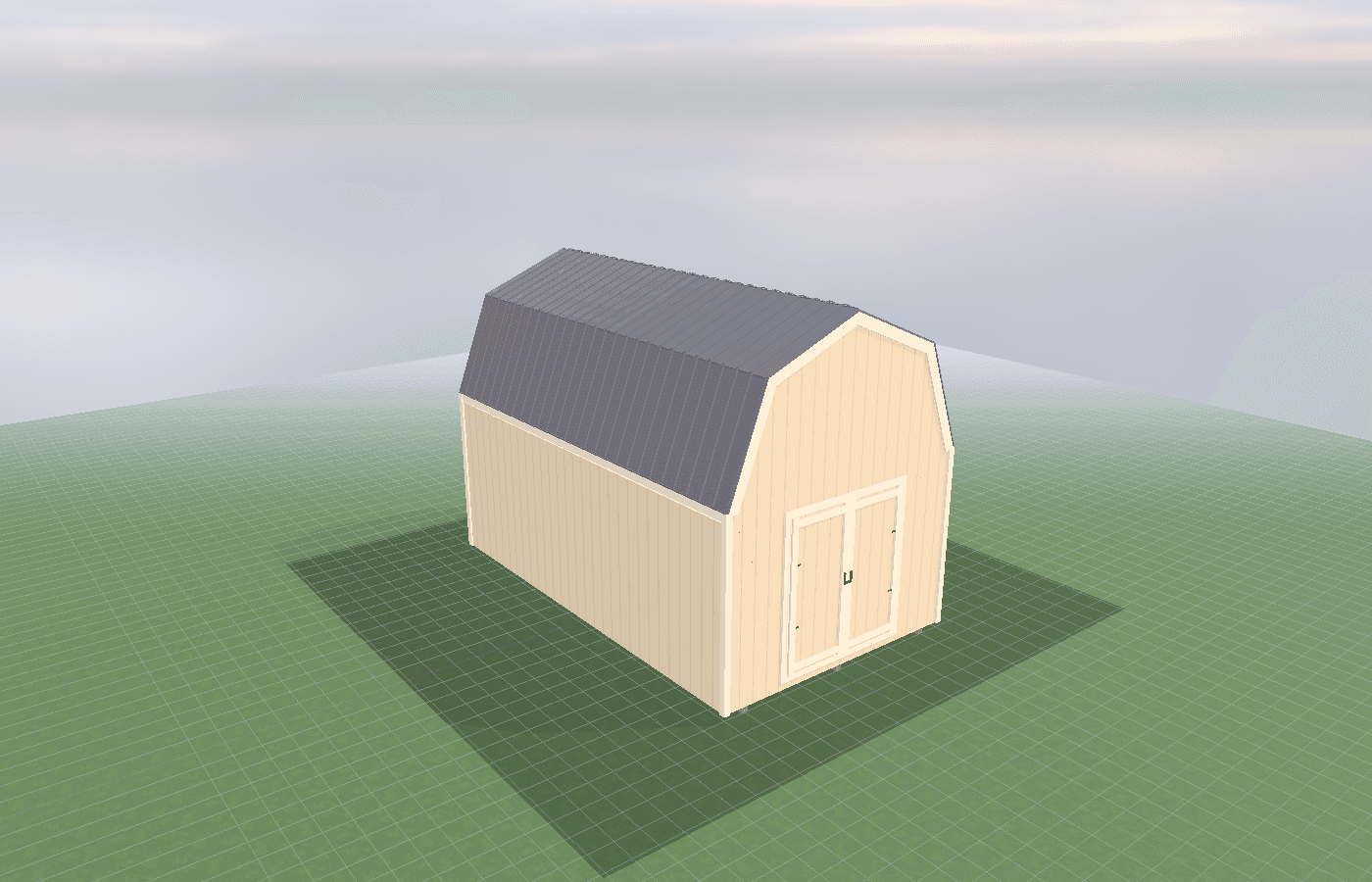
This is why a purpose-built feed storage shed works better than a random corner of a barn. Once the room is planned around species zones, it becomes easier to keep the heaviest feed in the right place, the most-used supplements within reach, and the wrong items out of the wrong hands. This guide also pairs naturally with rodent-proof feed storage: design choices that pay off and ventilation vs sealing: keeping feed dry without inviting pests, because clean organization is tightly connected to pest control and moisture control.
A useful mindset is to organize by decision, not by product type alone. During chores, most people are not asking "where are all the pellets?" They are asking "where is the horse ration," "where is the poultry grit," or "where is the goat mineral that belongs with this bucket." When the room reflects those decisions, everything gets faster and safer.
A practical way to test the plan is to imagine a muddy evening feeding round. Can one person walk in, grab the right ration for horses, then the right mineral for goats, then the right grit or scratch for poultry without opening unrelated bins or moving other species supplies first? If not, the room still needs sharper zoning. Many North Idaho owners also benefit from a small quarantine or overflow shelf where new bags, seasonal additives, and “not yet assigned” items can live without contaminating the permanent system.
What size feed storage shed do you need?
A 10x12 is often enough for smaller mixed-animal properties if the organization is disciplined. One wall can hold sealed bins for the primary feed types, one section can hold supplements and tools, and the aisle can stay usable if the room is not also swallowing every unrelated chore item on the property.
A 10x16 is often the best all-around answer because it gives more room to separate species zones. That extra length matters when horse feed, poultry feed, minerals, bedding additives, and treatment items all need their own clear territory. The bigger advantage is not volume by itself. It is fewer chances for crossover and fewer reasons to stack unlike things together.
A 12x16 becomes worthwhile once the room handles more bulk buying, more feed formats, or more species-specific tools. It is much easier to keep one species zone intact when the whole room is not constantly borrowing floor space from the next zone down the wall.
The real sizing question is whether each animal group can have a complete micro-zone: feed, supplement, scoop, and a place for the related tools or tote. If the answer is no, the room is probably too small or too loosely organized for the number of animals it serves.
A useful sizing shortcut is to count decisions, not just bags. If the shed has to support horse grain, horse minerals, senior feed, goat minerals, poultry feed, oyster shell, dog food, first-aid items, and chore tools, that is already a long list of separate handling categories. Once that list grows past what one person can visually understand at a glance, a longer building usually performs better than trying to solve the problem with taller stacks.
Best layouts and features for feed storage sheds
The most effective feed rooms are built around zones instead of shelves alone. One zone belongs to horses, one to goats or sheep, one to poultry, one to dog food or smaller-animal supplies, and one to general chore support. Those zones do not have to be huge, but they should be obvious. If a helper can walk in and identify which feed belongs to which animal without reading every bag each time, the system is doing its job.
A good layout usually starts with the heaviest and most frequently used feed closest to the easiest loading path. Sealed bins for high-turnover feed should not live behind the seasonal supplement tote that only gets touched once a month. Wall storage is still valuable, but it works best when it supports the animal zones rather than mixing them together.
Features that usually pay off include:
- sealed containers assigned to one species or ration instead of shared catch-all bins
- dedicated scoops, labels, or color cues that stay with each feed type
- wall shelves or cabinets for smaller supplements so they do not disappear behind big bags
- a tool zone that keeps pitchfork parts, buckets, and measuring items from taking over feed space
- enough clear floor area to restock, rotate inventory, and sweep thoroughly
This is also where the rodent-proofing conversation matters. A beautifully organized room still fails if half the feed stays in torn bags on the floor. Likewise, a tightly sealed room still gets frustrating if species-specific items are mixed so badly that every chore starts with sorting. Organization is not cosmetic here. It is part of keeping feed safe, dry, and correctly assigned.
Cost, timing, and build-planning factors
Organizing by animal is cheap to do on paper and surprisingly expensive to fix once a room is already full. The hard part is not buying more shelves. It is admitting that the floor plan never gave each species enough true territory. Once habits form around a bad layout, the room tends to stay messy even after more storage hardware gets added.
North Idaho structural realities still apply. Feed rooms still need snow-ready framing, a dry base, and a site that does not trap runoff at the door. Kootenai County notes that residential storage buildings over 200 square feet typically require building permit review in county jurisdiction and that some grading, excavation, and runoff work may also need review. Idaho DOPL notes that local building permits do not replace separate trade permits for electrical, plumbing, or HVAC work when those scopes are part of the project. That matters if the feed room adds lighting, outlets, or climate-control equipment.
Timing matters because feed organization works best when it reflects an actual restocking pattern. Before finalizing the build, list the feeds and supplements you buy most often, how they arrive, and how often you rotate them. That usually reveals whether the room needs more length, more shelving height, or simply a better split between the heavy bins and the lighter support items.
If you want the layout reviewed against your animal mix and chore routine, get a free estimate. A well-zoned room usually saves more time than another row of generic shelving ever will.
Before building, it is also worth deciding how restocking happens in real life. Do deliveries arrive on pallets, in pickup beds, or in small repeated farm-store runs? Do you buy six bags at a time or sixty? The answers shape whether the room needs a staging edge near the door, more open floor in the middle, or deeper permanent storage along the wall. Those are small planning details, but they are what keep organization systems working once the shed is no longer clean and empty.
Popular sizes and layouts for feed storage sheds
A 10x12 works best for smaller properties with limited species count and steady turnover, especially when the owner is committed to sealed bins and a simple tool wall.
A 10x16 is the strongest all-around size for many North Idaho properties because it leaves enough room to give each species a true storage zone instead of a token corner.
A 12x16 becomes the better answer when the room supports more animals, bulk buying, or more supplements that need to stay clearly separated without choking the aisle.
The layouts that usually age best are the ones that let the floor stay readable. You can see what belongs to which animal, what needs to be restocked, and what does not belong in the room at all. That visibility is what keeps organization from collapsing during the busiest seasons.
Frequently asked questions about feed storage sheds
What size feed storage shed works best for organizing feed, supplements, and tools by animal?
For many North Idaho buyers, 10x12 and 10x16 are the best starting sizes because they balance usable floor space with realistic placement on the property. We then size up or down based on snow load, storage volume, and how much dedicated work or seating area you need. Compare 10x12 and see 10x16.
What layout maximizes usable space in a feed & grain storage shed for my property?
Start with your largest item and build the layout around it. Wall-mounted storage, overhead racks, and French cleat systems make the most of vertical space. Get a free estimate.
Frequently asked questions
What size feed storage shed works best for organizing feed, supplements, and tools by animal?
For many North Idaho buyers, 10x12 and 10x16 are the best starting sizes because they balance usable floor space with realistic placement on the property. We then size up or down based on snow load, storage volume, and how much dedicated work or seating area you need. Compare 10x12 and see 10x16.
What layout maximizes usable space in a feed & grain storage shed for my property?
Start with your largest item and build the layout around it. Wall-mounted storage, overhead racks, and French cleat systems make the most of vertical space. Get a free estimate.
Ready to plan your build?
Tell us your site, your dimensions, and the use case. We'll come out and price it.