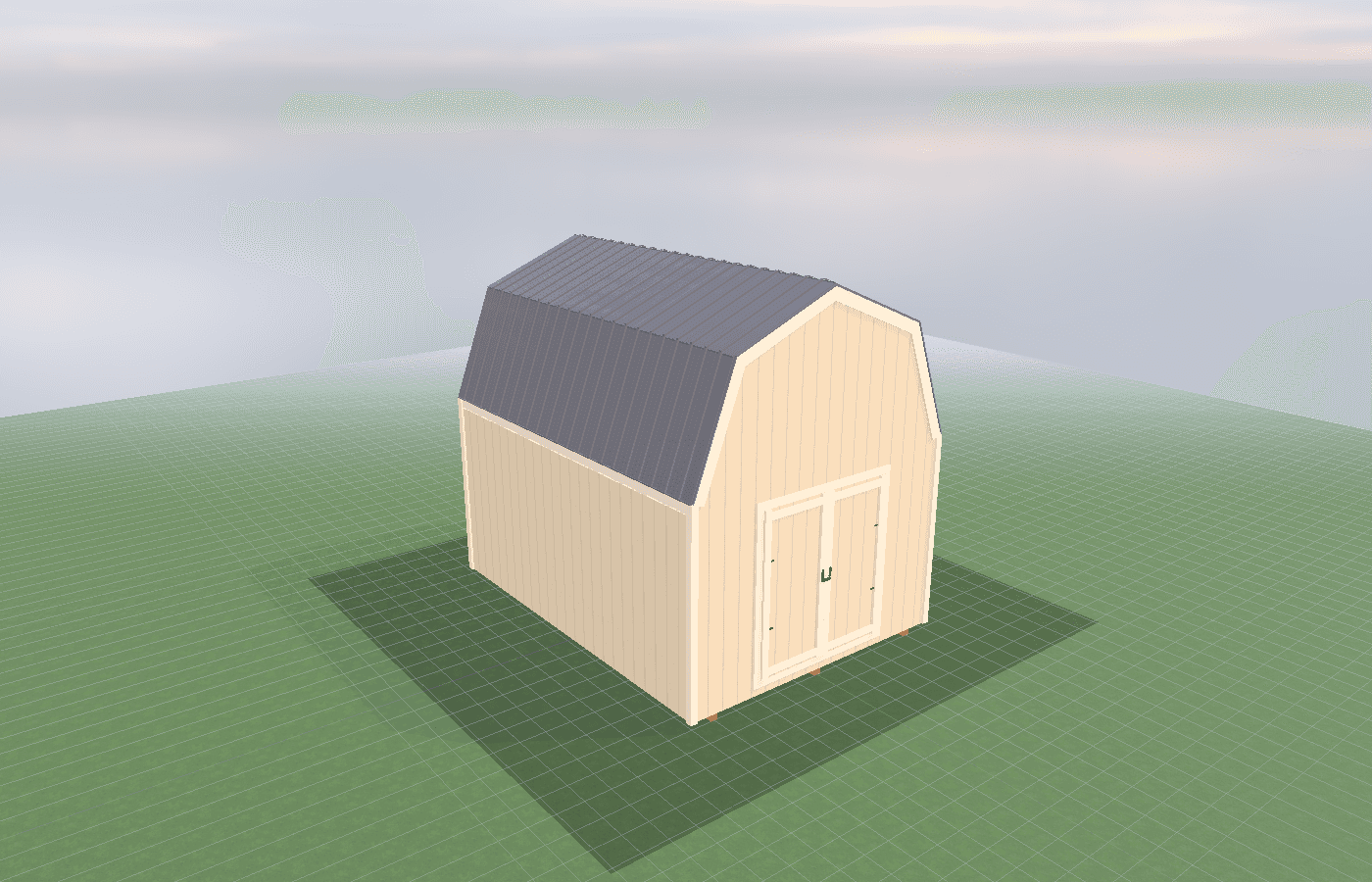
Season extension basics: how a shed supports seed starting
A shed will not replace a greenhouse, but it can make season extension in North Idaho far more practical. It gives seed trays, shelves, lights, soil, and potting work a protected home so early spring starts do not take over the kitchen, garage, or mudroom.
Season Extension Basics in North Idaho
Season extension in North Idaho is mostly about control. The gardener cannot control late frosts, cold nights, or muddy spring ground, but they can control where trays are started, where supplies stay dry, and how quickly work can happen when the weather opens up for a few hours. A shed helps by becoming the protected operations base behind the garden instead of just a place where spare tools are stacked.
That matters because seed starting is not one activity. It is lighting, labeling, potting, warming soil, storing trays, mixing media, staging transplants, and sometimes hardening plants off before they go outside. A well-planned garden shed supports that sequence even if the actual growing still relies on lights, heat mats, cold frames, or outdoor beds.
On properties around Athol, the value is often logistical as much as horticultural. Spring weather can be wet, the ground can stay cold, and the distance between house, garage, and garden can turn every task into a long carry. A shed near the work zone keeps potting soil, trays, markers, fertilizer, and support tools close to where they are needed.
It also ties directly into garden tool storage systems that survive mud season and keeping critters out: rodent-proofing a garden shed. If the seed-starting supplies sit in a damp, cluttered, mouse-friendly room, the season-extension plan falls apart before the first tray is even filled.
What size garden shed do you need?
A 6x8 can support seed starting if the setup is focused. One side might hold a short potting counter, one rack of lights, and enough upper shelving for trays, domes, labels, and soil amendments. For a small home garden, that can be enough to start tomatoes, peppers, brassicas, and flowers without overwhelming the space.
The challenge is that seed starting needs both active workspace and passive storage. As soon as you add bagged media, extra flats, watering gear, hand tools, and a clear surface for potting, the smallest footprint tightens up fast. That is why many gardeners feel more comfortable at 8x8 or 8x10. The extra room lets the shed hold both the live setup and the supporting supplies.
If the shed will also handle curing, staging, or summer tool storage, the room requirement grows again. Season extension works best when the gardener does not have to tear down the whole system every time another spring task shows up. A slightly larger footprint often saves more frustration than a more elaborate rack squeezed into too little room.
The right size is the one that preserves three basic functions at once: a potting surface, a tray or light zone, and dry storage that does not get buried under active work. If one of those functions disappears, the shed stops supporting the season and starts fighting it.
Best layouts and features for garden sheds
Plan for benches, lights, and clear work surfaces
Seed starting sheds work best when the active bench is not the same place where everything gets dumped. A potting counter needs elbow room, cleanable surfaces, and nearby storage for labels, scissors, dibbers, and soil tools. Light racks or shelves should be tall enough for adjustment but shallow enough that trays stay easy to inspect and water. A shed also helps with the transition between indoor starts and outdoor planting because trays can be staged by crop, labeled clearly, and moved in batches instead of scattered between the house and garden.
Think of heat and insulation as support systems
A shed does not need to become a full-time finished room to help with season extension, but it does need to avoid wild temperature swings if it will hold trays, media, or sensitive supplies. Insulation, air sealing, and a modest electrical plan can make a huge difference. Even when the gardener still uses domes, mats, or temporary grow lights, the surrounding room is easier to manage when it is not acting like an ice box at dawn and a solar oven by midafternoon. Many owners also discover that the shed supports season extension by protecting supplies, not just live plants. Dry potting mix, organized trays, spare bulbs, row-cover clips, and clean pots are what let the work restart quickly each weekend instead of beginning with a scavenger hunt.
Build a mess-tolerant watering and cleanup workflow
Seed starting is wet, dusty, and repetitive. Hose access, a refill point for watering cans, trays for drips, and durable floor finishes matter more than decorative shelving. The best rooms keep the mess near the bench and protect storage from constant splash and loose soil. That is one reason season-extension sheds borrow good habits from utility and mud-room layouts.
Keep supplies organized and protected between bursts of work
Seed starting often happens in waves. One week is tomatoes and peppers. Another week is brassicas and flowers. Then there is the lull before potting up or moving trays outside. Bins, labeled shelves, and sealed storage keep that cycle manageable and make it easier to reuse the shed for summer garden work once the trays move on.
Cost, timing, and build-planning factors
The largest cost drivers are electrical capacity for lights and mats, shelf or rack systems, insulation, and the durability of the work surfaces. If the owner wants windows, extra outlets, or a small climate-control plan, the budget moves again. The trick is to spend first on the features that keep the workflow usable, not just the ones that make the room look finished.
Timing matters because season-extension sheds are most useful when they are ready before late winter planning begins. If the build drifts into the middle of spring, the owner ends up running another season through the house or garage while the shed is still being completed. For that reason, layout, electrical rough-in, and pad work are often worth deciding earlier than people expect.
Permit timing can also shape the build. In Kootenai County, once a storage structure crosses the common 200-square-foot line, the review path changes. Bonner County uses different thresholds and siting rules. Even if the shed stays smaller than those common lines, it still needs honest planning for runoff, access, and where power will come from if the seed-starting setup depends on lights or heat mats.
If the goal is a shed that actually shortens the gap between winter and planting season, request a free estimate before the bench layout and electrical plan are improvised. Season extension works best when the shell is built around the sequence of work.
Popular sizes and layouts for garden sheds
A compact 6x8 can work for a gardener who wants one main rack, one counter, and disciplined supply storage. An 8x8 or 8x10 usually feels more forgiving because it allows a cleaner split between active propagation and dry storage. Those sizes are often the sweet spot for home gardeners who want the shed to help in spring without becoming a dedicated specialty building all year long.
Larger footprints start making sense when the shed also handles potting, harvest staging, summer tool storage, or backup overflow from other garden systems. That can be very effective, but only if the layout still gives seed trays a consistent and protected zone.
The best layout usually keeps the active bench near light and power, places bulk storage on the coolest and driest wall, and leaves a clear center aisle so trays can move in and out without bumping everything else. That flow matters because season extension is not a one-day task. It is a string of small, repeated jobs over several months.
A good seed-starting shed does not need to be fancy. It needs to be dry, organized, and easy to work in when the weather outside is still trying to delay the season. The most successful setups leave room for tomorrow's trays, not just today's. That little buffer is often the difference between a support shed and a stressful overflow room.
The long-term value of a seed-starting shed is consistency. When supplies stay together and the work area is already set up, the gardener can act on the weather window instead of spending the first hour searching for trays, lights, or potting mix. That consistency is what turns season extension from a hopeful idea into a repeatable yearly system.
Frequently asked questions about season extension basics
What size garden shed works best for season extension basics: how a shed supports seed starting?
For many North Idaho buyers, 6x8 and 8x8 are the best starting sizes because they balance usable floor space with realistic placement on the property. We then size up or down based on snow load, storage volume, and how much dedicated work or seating area you need. Compare 6x8 and see 8x8.
What is the most common mistake people make when planning a garden shed shed?
Underestimating space needs is the most common error. Measure your equipment and add 25-30% for workspace and future growth. In North Idaho, also factor in snow gear and seasonal storage demands. Get a free estimate.
Frequently asked questions
What size garden shed works best for season extension basics: how a shed supports seed starting?
For many North Idaho buyers, 6x8 and 8x8 are the best starting sizes because they balance usable floor space with realistic placement on the property. We then size up or down based on snow load, storage volume, and how much dedicated work or seating area you need. Compare 6x8 and see 8x8.
What is the most common mistake people make when planning a garden shed shed?
Underestimating space needs is the most common error. Measure your equipment and add 25-30% for workspace and future growth. In North Idaho, also factor in snow gear and seasonal storage demands. Get a free estimate.
Ready to plan your build?
Tell us your site, your dimensions, and the use case. We'll come out and price it.