Security and access: designing for daily chores
A tack room only saves time if the secure room is also the easy room to use before dawn, after dark, and in mud season. In North Idaho, daily-chore access depends on where the shed sits, how the door opens, how lighting works in winter, and whether locks, visibility, and circulation make secure storage practical instead of inconvenient.
Security Access Designing Daily in North Idaho
A tack room is one of the most-used outbuildings on a working horse property, which means security and access have to cooperate. If the room is secure but awkward, people stop using it correctly. If it is easy to reach but poorly lit or poorly placed, expensive tack ends up stored in a room that invites theft, moisture, or constant clutter. The best North Idaho tack rooms balance both sides: short chore paths, fast entry, and enough visibility and hardware that the owner can lock the room confidently without slowing the whole routine down.
This becomes more obvious in winter. Chores often happen in the dark. Snow or frozen mud change how people approach the building. Gloves make hardware harder to operate. Wet boots need a place to stop without smearing the entire room. Those are access issues, but they directly affect security because people are far more likely to leave a room cracked open, leave gear in the wrong place, or skip locking secondary storage if the building fights them every morning and evening.
Good security is not just about locks. It includes siting, lighting, line of sight, and how quickly the user can move from barn to tack room and back again. That is why this guide connects so closely to tack room sizing: saddle racks, bridle storage, and drying and moisture and mold: protecting leather and textiles. If the room is too tight or too damp, people improvise. Once that starts, security weakens too.
A good rule is that the building should let you be fast without being careless. If the room requires setting tack on the floor while you unlock a second door, fumbling for a flashlight in the dark, or weaving around trunks to reach the halter you use every morning, the layout is already nudging the owner away from secure habits.
What size tack room shed do you need?
A 10x12 works when the room's main job is secure tack storage with a straightforward entry path and a limited number of users. It can stay efficient if there is one main saddle wall, one compact grab-and-go zone, and no expectation that multiple people will constantly cross through it.
A 10x16 is often the best all-around option because it gives enough extra length for a real entry zone. That matters for access. People can step in, set down boots or gloves, reach daily-use gear, and still leave the main storage side protected.
A 12x16 starts making more sense when there are several riders, more valuable tack, or a need for a dedicated secure cabinet or changing bench while still preserving aisle space. The bigger footprint is not only about storage quantity. It is about letting the room stay orderly under use.
The real test is whether a person can get in, get what they need, and get out without blocking the only aisle, crossing the damp zone, or leaving the door open longer than necessary.
Best layouts and features for tack room sheds
The first security feature is placement. A tack room should usually sit where it is visible from the barn, house, or main traffic line instead of hidden behind unrelated outbuildings if the property allows it. Visibility discourages casual opportunism and also makes early-morning and late-evening chores feel safer.
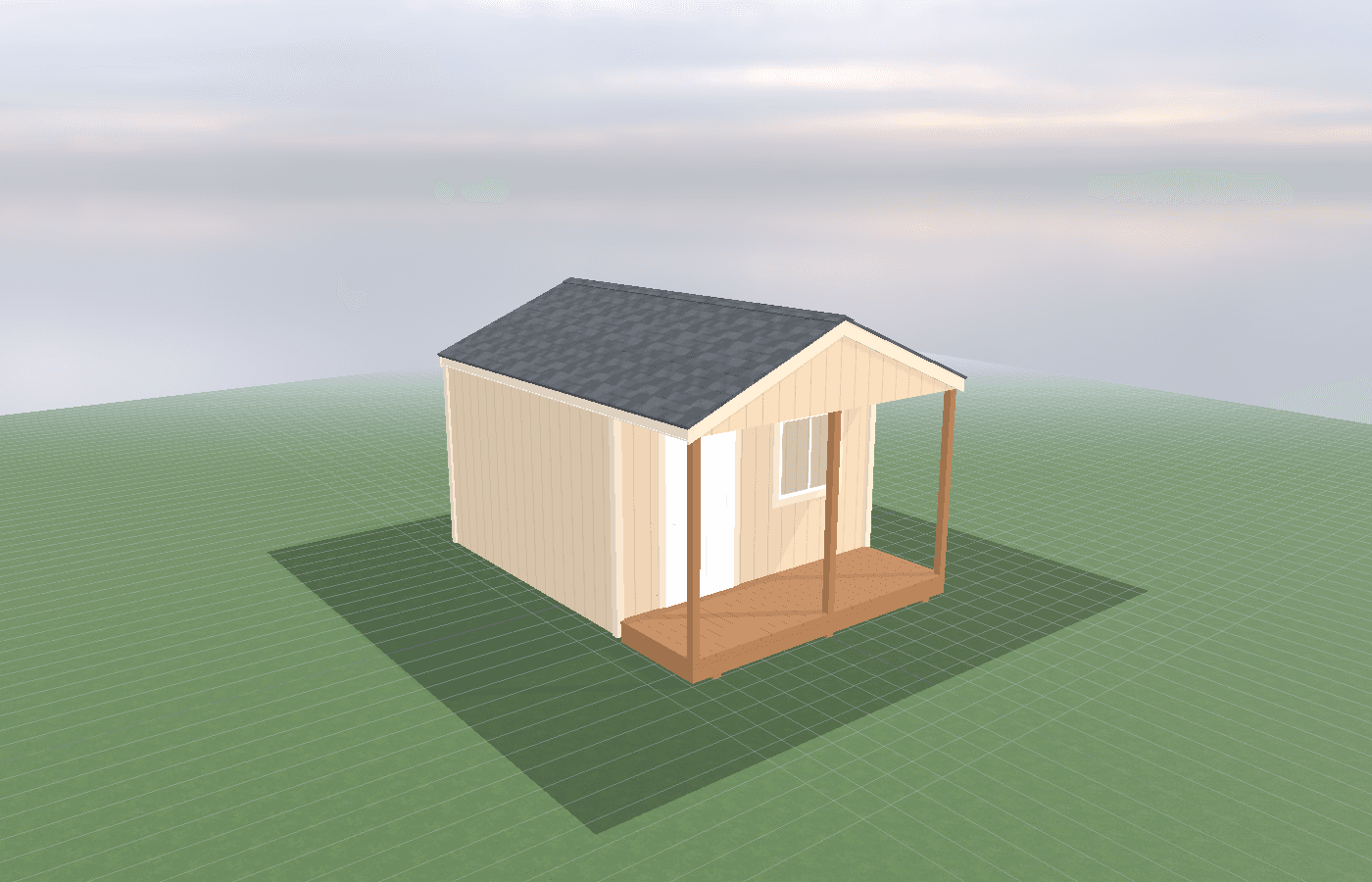
The second feature is a better entry sequence. Wide enough doors, dependable hardware, covered landing space, and a small interior buffer zone matter more than they sound like they should. If you can enter with gloves on, keep the rain off the threshold, and turn to a light switch or motion-sensor light without crossing the whole room, the room will stay both more secure and more organized.
Features that usually pay off include:
Another useful test is whether a visitor could understand the room in ten seconds. If the lockable zones, daily-use zones, and wet-entry zone are obvious, the room will stay secure more consistently. If everything looks equally accessible and equally temporary, the building will invite shortcut behavior.
- a short, direct path from barn or paddock to reduce unnecessary carrying distance
- lighting that makes pre-dawn and after-dark chores practical
- hardware and locks that close firmly even in cold weather
- windows placed for visibility and daylight without making tack overly exposed
- a small landing or overhang that keeps snow and mud from living at the threshold
Security also works better when the room has hierarchy. The most valuable tack does not need to live right at the door. Daily halters, lead ropes, and chore gear can stay closest to the entry. Higher-value saddles, bits, show tack, or seasonal equipment can live deeper in the room or in a lockable secondary cabinet. That way the room supports fast chores without exposing everything equally.
That hierarchy also helps with guests, helpers, or younger riders. The room can stay usable for ordinary chores without every visitor automatically interacting with the most expensive or most fragile equipment on the property.
Cost, timing, and build-planning factors
Access and security are easy to underestimate because they are not as visible on a spec list as square footage or siding. But they affect the usefulness of the building every single day. A slightly better overhang, a more deliberate door position, or a powered light at the right spot can improve the building more than another row of hooks.
North Idaho still brings the usual structural considerations: snow-ready framing, a base that handles freeze-thaw movement, and entrance grading that does not turn into an ice sheet or mud bowl. Kootenai County notes that larger buildings and some site-disturbance work may require review. Idaho DOPL notes that separate trade permits can still apply for electrical, plumbing, or HVAC work. That matters when the tack room includes exterior lights, motion sensors, switched outlets, or other powered access features.
Timing matters because access issues are easiest to see in the season when the site is messy. Walk the chore route in rain or snow, not just in dry summer conditions. Notice where you naturally want the door, where light is missing, and where the ground forces people to detour. That is the kind of information that should shape the building before the post holes or pad layout are finalized.
If the project adds switched lighting, motion sensors, or outlets for a boot dryer or small dehumidifier, it is better to plan those circuits with the shed than to retrofit them after the room is full. Electrical convenience is part of secure daily use because people take better care of rooms that work easily in the dark.
On acreage around Athol, those path and visibility questions matter even more because buildings may sit farther from the house and closer to animal areas, fencing, or tree lines. If you want the shed sized and positioned around how chores really happen, get a free estimate.
Popular sizes and layouts for tack room sheds
A 10x12 works for smaller tack collections and direct daily access, especially when the entry stays clear and the storage plan is disciplined.
A 10x16 is the strongest all-around size for many North Idaho horse properties because it gives enough room for a true entry zone, better circulation, and a more secure hierarchy between everyday gear and higher-value tack.
A 12x16 becomes the better answer when the room needs more people moving through it, more stored value, or a deeper split between daily chores and longer-term storage.
The layouts that usually perform best put the door where the user naturally approaches, keep the most frequently used items within quick reach, and avoid letting the first two feet inside the shed become a permanent dumping zone. In practice, that is what makes a tack room feel safer and simpler at the same time.
A slightly larger entry zone often saves the room from long-term clutter because boots, gloves, and chore tools stop competing with the saddle wall. That is not wasted space. It is what preserves the rest of the storage plan.
It also gives muddy or snowy gear a chance to pause before the cleaner storage side starts absorbing the whole weather pattern.
That matters daily.
It also helps the room stay lockable in real life, because users are less tempted to leave gear out when the first few steps inside the building already work well.
Frequently asked questions about tack room sheds
What size tack room shed works best for security and access: designing for daily chores?
For many North Idaho buyers, 10x12 and 10x16 are the best starting sizes because they balance usable floor space with realistic placement on the property. We then size up or down based on snow load, storage volume, and how much dedicated work or seating area you need. Compare 10x12 and see 10x16.
How should I design tack room access for daily barn chores?
Place the shed near the barn or paddock for a short carry. A wide door and covered entry keep you dry. Install motion-sensor lights for pre-dawn feeding routines. See tack room options.
Frequently asked questions
What size tack room shed works best for security and access: designing for daily chores?
For many North Idaho buyers, 10x12 and 10x16 are the best starting sizes because they balance usable floor space with realistic placement on the property. We then size up or down based on snow load, storage volume, and how much dedicated work or seating area you need. Compare 10x12 and see 10x16.
How should I design tack room access for daily barn chores?
Place the shed near the barn or paddock for a short carry. A wide door and covered entry keep you dry. Install motion-sensor lights for pre-dawn feeding routines. See tack room options.
Ready to plan your build?
Tell us your site, your dimensions, and the use case. We'll come out and price it.