Solar + battery at home: why a dedicated utility space helps
Home batteries and inverters usually work better in a dedicated utility room than in the leftover corner of a garage. In North Idaho, a separate on-site shed makes it easier to protect service clearances, manage temperature swings, route conduit cleanly, and leave room for future upgrades instead of crowding expensive equipment into a space built for something else.
Solar + Battery At Home in North Idaho
A dedicated utility space helps for the same reason a good mechanical room helps inside a house: utility equipment works better when it is treated like utility equipment. Batteries, inverters, disconnects, gateways, and conduit runs all want order, access, and a predictable environment. When those components get stuffed into a garage corner, squeezed beside freezers, or mixed with yard tools and fuel cans, the room stops serving the system and starts fighting it.
Current manufacturer guidance supports that mindset. Tesla's current Powerwall 3 specifications say the unit is indoor and outdoor rated, designed to operate from -4 F to 122 F, and can be installed in direct sunlight, though performance may be derated above 104 F. Enphase's current temperature guidance for IQ Battery products explains that ambient temperature affects functionality and warranty coverage and that installers should choose locations that minimize exposure to sub-optimal temperatures. In other words, modern battery systems are durable, but they still benefit from being placed where temperature swings, dust, clutter, and service obstacles are reduced instead of amplified.
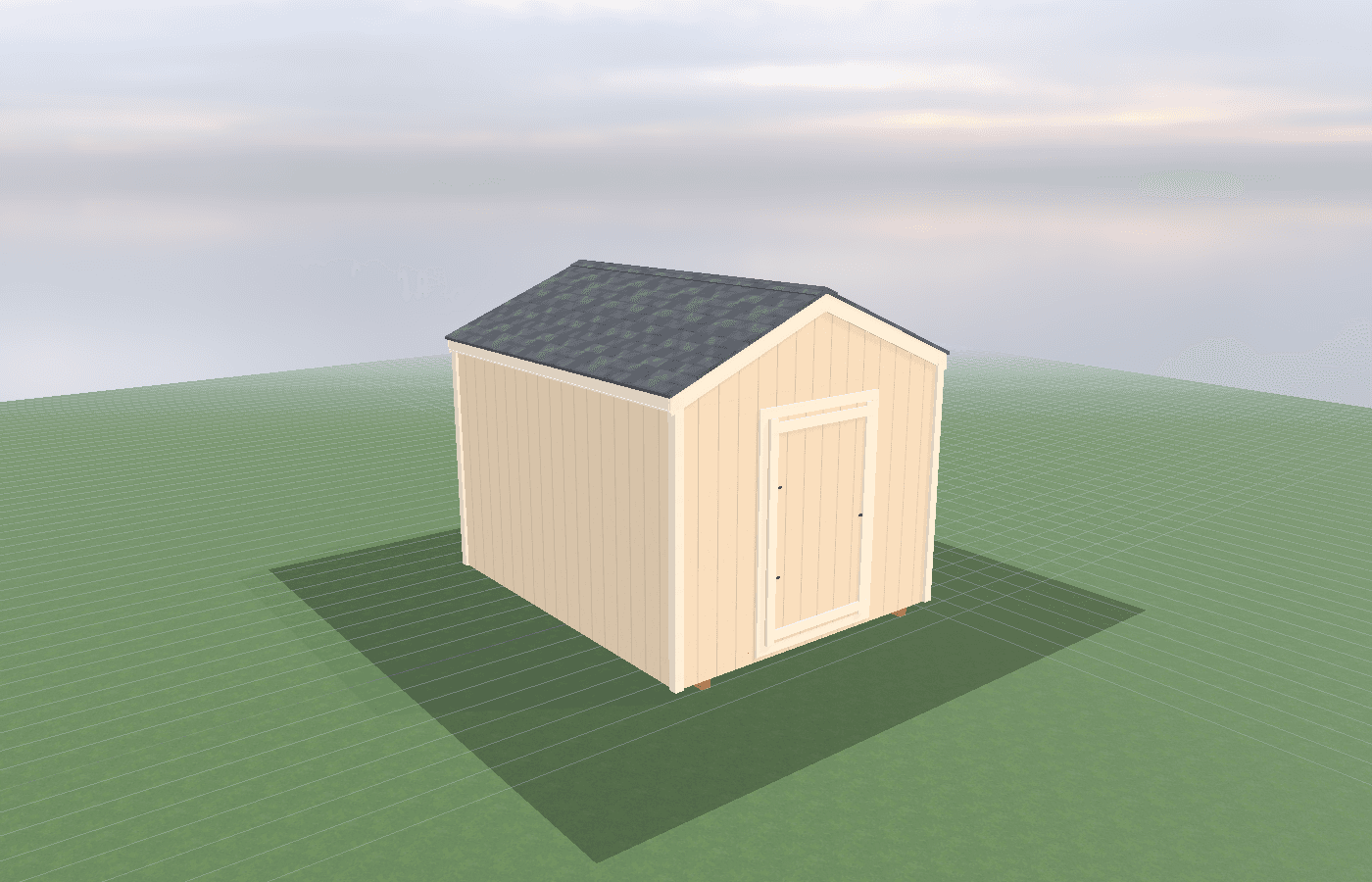
That is why a dedicated solar-battery-shed can make so much sense in North Idaho. The room can be designed around working clearances, conduit entry points, snow-ready access, and future service needs. It can stay cleaner than a mixed-use garage. It can keep the equipment away from recreational clutter, fuel storage, and everyday impacts. And because NIOS builds on-site, the room can be located where it makes the most sense for the property rather than where a delivered structure happens to fit.
That site-specific flexibility matters on North Idaho parcels. Some properties need the room close to the main service entrance. Others want shorter conduit runs to a shop, pump house, or future EV circuit. Some want the equipment tucked away from living areas but still easy for installers to reach during winter. Add in the usual regional realities - snow loads in the 40 to 60+ psf range, 24 inch frost-depth planning, mud season, and variable county rules - and the case for a purpose-built utility space gets stronger pretty quickly.
That difference is easy to see on subdivision and semi-rural lots around Post Falls. On those properties, the battery room often has to share a narrower access corridor with fences, patios, or utility easements. A dedicated shed lets the service wall and door swing be planned around those real limits so installers are not squeezed into a leftover corner. It also gives the homeowner a cleaner path for future EV charging, generator tie-in, or additional batteries without turning the garage into a permanent work zone.
A dedicated battery room is not about making the project fancy. It is about making it serviceable, expandable, and easier to live with over time.
What size solar battery / inverter shed do you need?
A 6x8 is a realistic starting point for a compact battery-and-inverter room if the system is modest and the layout is disciplined. This size usually works when the equipment can live on one main wall, the conduit path is clean, and the owner is not trying to combine the space with general storage.
An 8x8 is often the best all-around starting point. It gives more room for a second equipment wall, better working clearances, or a more comfortable service aisle. That added tolerance matters because most battery rooms get used by installers first and homeowners second. If technicians cannot work in the room easily, the space is undersized even if the equipment technically fits.
An 8x10 is the better choice when the system may expand, when multiple pieces of equipment need cleaner separation, or when the owner wants a little more future-proofing. The extra length also helps when the room needs a calmer entry, a dedicated document shelf, or a more deliberate split between wall-mounted equipment and the walking path.
The main sizing mistake is measuring only the equipment footprint. Wall-mounted systems still need side clearance, front working room, cable-routing space, and a door arrangement that does not interfere with service. Batteries and inverters should never feel jammed into the room like leftover shelving.
Best layouts and features for solar battery / inverter shed
The best battery-room layout usually starts with one equipment wall and one clear service aisle. That sounds simple, but it solves most long-term problems. It keeps the system readable. It reduces the chance that future add-ons will block existing equipment. And it gives installers the clean working space they need for troubleshooting, replacement, and inspection.
Keep the room dry, well lit, and free of unrelated storage. Do not make the battery wall compete with paint cans, fuel containers, or yard tools. A dedicated utility space helps precisely because it protects the room from those compromises. If you need help thinking through conduit and service access, read cable routing and access planning: designing for serviceability. If your main concern is how the equipment handles seasonal temperature swings, pair this guide with temperature control for batteries: what to ask your installer.
Useful features often include insulation, clean wall surfaces, dedicated lighting, exterior-grade locks, clearly planned conduit penetrations, and enough roof overhang to keep the entry and equipment wall drier in shoulder seasons. Some rooms also benefit from climate moderation or ventilation, but that should follow the equipment requirements rather than generic shed habits.
Documentation storage is worth planning too. A shallow wall cabinet or shelf for one-line diagrams, commissioning paperwork, warranty information, and shutdown instructions sounds minor, but it saves time every time a technician or future homeowner needs to understand the system. A dedicated utility space helps because those papers can live beside the equipment they describe instead of disappearing into a kitchen drawer.
The room should also be easy to update. Battery systems change. Monitoring gear changes. Backup loads evolve. A dedicated on-site structure gives the system room to grow without forcing every future decision into the same overstuffed garage corner.
Cost, timing, and build-planning factors
The budget on these rooms is driven less by fancy finishes and more by infrastructure. Pad work, trenching, conduit, insulation, electrical coordination, and equipment-wall planning all shape the cost. That is why treating the battery room as a real utility project instead of a simple accessory shed leads to better budgeting from the start.
Idaho permitting is part of that conversation. Idaho DOPL's current electrical FAQ says a permit is required when electrical, plumbing, or HVAC work is performed and notes that a city or county building permit may not replace the state's electrical permit. DOPL's permits page also reminds installers and homeowners to call 811 before excavation. Meanwhile, Kootenai County's Community Development page says the county building division handles residential storage buildings over 200 square feet. Smaller rooms may stay below that threshold, but setbacks, utilities, and jurisdiction still matter.
Timing matters just as much. Battery rooms are easiest to build when pad work, trenching, and equipment scheduling are coordinated together. If the owner waits until the solar crew is already on the calendar, the room may get rushed and the layout may end up being driven by last-minute convenience rather than long-term serviceability.
If you want a realistic number and a layout that matches the property, get a free estimate before final equipment locations are committed. A short site conversation usually catches the conduit, drainage, and access issues that cost the most to fix later.
Popular sizes and layouts for solar battery / inverter shed
A 6x8 works well when the project is compact, the equipment count is modest, and the owner's main goal is to create a clean, dedicated utility room instead of using shared garage space.
An 8x8 is often the best all-around answer because it balances footprint, wall space, and service comfort. It gives the room enough margin to stay organized after the initial install, which is a bigger benefit than many homeowners expect.
An 8x10 is the better fit when future growth is likely or when the owner wants the room to support a more complex backup-power strategy over time. In practice, that extra size often buys peace of mind more than luxury.
The strongest layouts are the ones that leave a clear aisle, keep the equipment visible, and make every future service visit simpler instead of harder. That is the real reason a dedicated utility space helps.
Frequently asked questions about solar + battery at home
What size solar battery / inverter shed works best for solar + battery at home: why a dedicated utility space helps?
For many North Idaho buyers, 6x8 and 8x8 are the best starting sizes because they balance usable floor space with realistic placement on the property. We then size up or down based on snow load, storage volume, and how much dedicated work or seating area you need. Compare 6x8 and see 8x8.
What is the most common mistake people make when planning a solar battery shed shed?
Underestimating space needs is the most common error. Measure your equipment and add 25-30% for workspace and future growth. In North Idaho, also factor in snow gear and seasonal storage demands. Get a free estimate.
Frequently asked questions
What size solar battery / inverter shed works best for solar + battery at home: why a dedicated utility space helps?
For many North Idaho buyers, 6x8 and 8x8 are the best starting sizes because they balance usable floor space with realistic placement on the property. We then size up or down based on snow load, storage volume, and how much dedicated work or seating area you need. Compare 6x8 and see 8x8.
What is the most common mistake people make when planning a solar battery shed shed?
Underestimating space needs is the most common error. Measure your equipment and add 25-30% for workspace and future growth. In North Idaho, also factor in snow gear and seasonal storage demands. Get a free estimate.
Ready to plan your build?
Tell us your site, your dimensions, and the use case. We'll come out and price it.