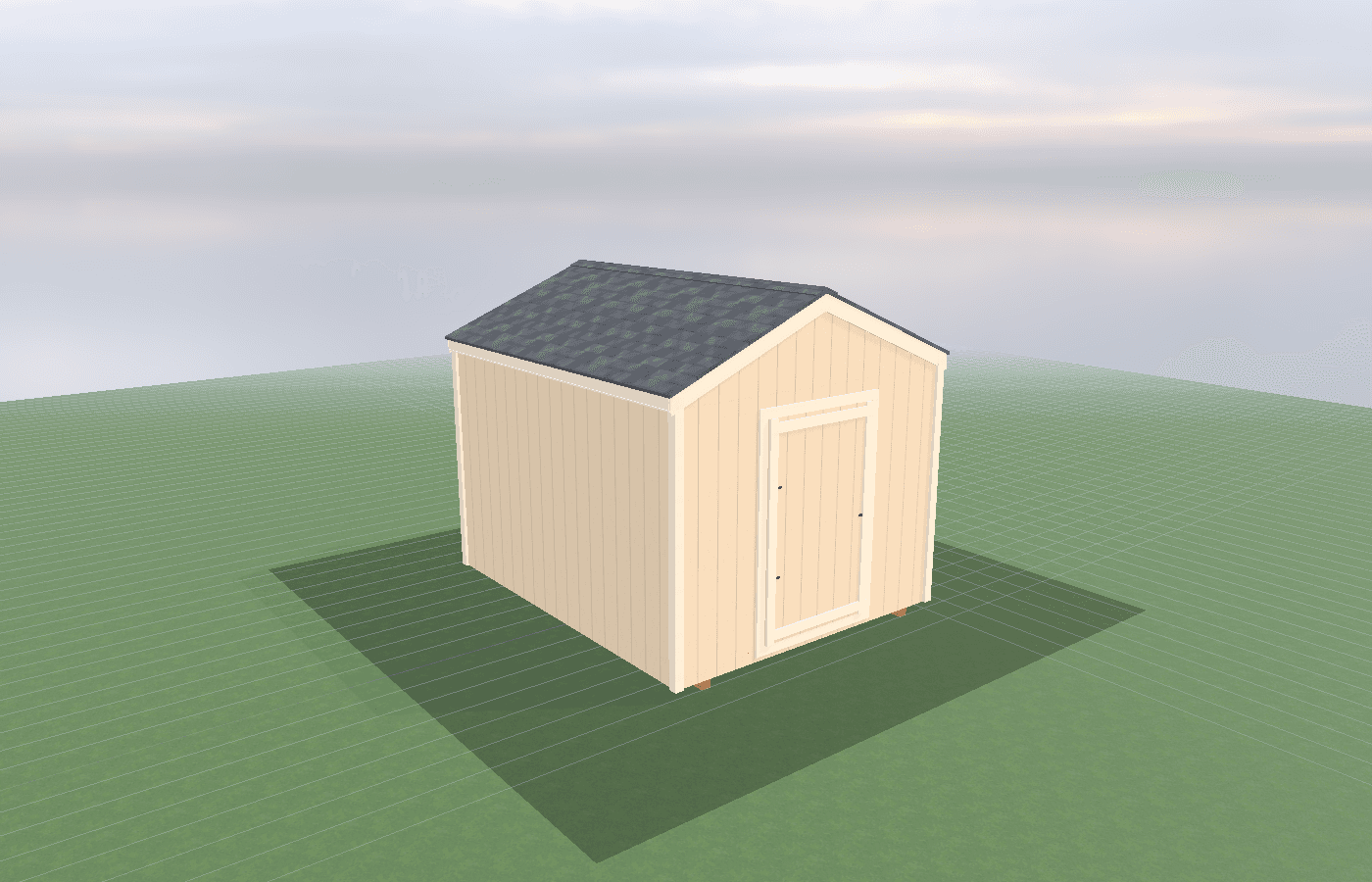
Ventilation basics when fuel and solvents are present
A small-engine repair shed gets safer and more usable when fuel vapor, solvent fumes, and seasonal heating are planned together instead of treated as separate problems. In North Idaho, ventilation has to work during cold weather too, because the riskiest air-quality mistakes usually happen when doors stay shut and repair work keeps going.
Ventilation Basics When Fuel in North Idaho
A small engine repair shed in North Idaho has an air-quality problem long before it has a comfort problem. Gasoline vapors, aerosol cleaners, carburetor solvent, oily rags, and the temptation to briefly run an engine indoors all load the room in different ways. The point of ventilation is not to make the shed feel less stuffy. It is to keep contaminant levels lower, move dirty air away from the operator, and stop the room from becoming a sealed box every time the weather turns cold.
That matters here because the busiest small-engine seasons are usually the most awkward ventilation seasons. Snow blowers and generators come in when owners want to keep the room closed and warm. Spring startup season brings wet equipment, cleaners, and muddy traffic through the door. Shoulder seasons can leave a shop cold in the morning, warm by afternoon, and damp by evening. In that kind of cycle, a random cracked door is not a ventilation strategy.
Current OSHA flammable-liquids guidance and CDC-NIOSH carbon monoxide guidance point in the same direction: vapors, exhaust, and contaminated air need deliberate control, and enclosed spaces amplify mistakes quickly. That does not mean every repair shed needs industrial makeup-air equipment. It does mean the building should be laid out so clean air enters intentionally, dirty air leaves predictably, and fuel or solvent tasks do not share the exact same footprint as ordinary bench work.
A purpose-built small engine repair shed works better because the bench, equipment lane, storage zone, and ventilation path can be planned as one system. This guide also fits directly with small engine shop layout: bench, parts, and tool wall planning and oil-resistant floors and easy cleanup finishes, because airflow, workflow, and cleanup are all part of the same room behaving correctly.
The practical goal is simple: fuel and solvents should not dictate where you stand, where you breathe, or how long bad air lingers after a task is finished. Good ventilation gives the operator more margin when the room is busy, the weather is ugly, or a project takes longer than expected.
How does shed size affect heating and airflow?
A 10x16 is usually the smallest small-engine footprint that can handle a real bench wall, a machine lane, and a believable airflow plan at the same time. In a smaller room, the workbench, engine, shelves, and person are often stacked too tightly together. That makes it harder to keep contaminated air moving away from the operator and harder to separate fuel-handling tasks from everything else.
A 12x16 is often the best all-around option because the extra width gives the shop more honest choices. You can keep the dirtiest equipment near the door, keep the bench on a cleaner side wall, and still leave room for controlled intake and exhaust positions. That also helps when the building is insulated and heated, because the room can move air without turning the entire footprint into one draft path.
A 12x20 starts to make sense when the shed needs one active repair bay, one bench zone, and a cleaner storage wall for oils, parts, chargers, and consumables. The larger footprint is not automatically safer, but it does make source control easier. It gives the room a better chance of keeping solvent-heavy work, machine staging, and normal parts handling from collapsing into one shared lane.
Size also affects heating. A tiny room heats quickly, but it also concentrates fumes quickly. A larger room takes more conditioning, yet it gives ventilation components more room to work and gives the operator more distance from the dirtiest tasks. For many owners, the right answer is not the smallest room that fits the equipment. It is the smallest room that still lets heating and ventilation do their jobs without fighting each other.
Systems planning for small engine repair shed
The safest small-engine sheds are planned around sources. Fuel vapors tend to settle low. Solvent use often happens at the bench. Exhaust from a briefly run engine is its own issue and should not be normalized indoors just because the building is detached. That means one ventilation method rarely solves everything. The room usually needs layered thinking: source control where fumes are created, general air movement for the overall space, and storage practices that keep the worst vapor sources contained when not in use.
For many North Idaho repair sheds, the most realistic baseline is a tighter shell with intentional air movement rather than a permanently drafty building. Fuel should live in approved containers. Solvent-heavy supplies should stay together and out of the main circulation line. Oily rags and absorbents should not pile beside the heater or under the bench. If an exhaust fan is part of the plan, it should pull contaminated air out from the dirtiest side of the room while replacement air comes from a cleaner side rather than dragging fumes past the operator first.
A mini-split can be a reasonable comfort tool for a year-round shop, but it is not a substitute for ventilation. It conditions air; it does not remove fuel vapor or solvent loading by itself. That is why the best layouts separate a normal clean bench zone from the dirtiest tasks. Carburetor cleaning, draining fuel, aerosol use, and messy teardown work should happen where the room can recover quickly afterward instead of forcing the whole shed to smell like the last repair for the next two days.
Useful planning details often include:
- an equipment parking or receiving zone near the door so dirty machines do not cross the cleanest storage side first
- a main bench on a wall that stays relatively dry and organized instead of becoming the universal chemical-drop surface
- deliberate exhaust placement near the dirtiest air path rather than wherever wiring happened to be convenient
- dedicated storage for fuel containers, cleaners, and oily cleanup supplies away from the heater and battery-charging area
- enough aisle width that the room can be aired out, swept, and inspected without moving every machine to reach a wall or corner
On properties around Post Falls, this also affects how the shop performs in winter. If the operator has to choose between freezing and breathing bad air, the room is poorly planned. The shed should give a middle path: enough shell quality to work comfortably, enough airflow control to clear the room, and enough layout discipline that the dirtiest tasks stay where the shed can handle them.
Cost, timing, and build-planning factors
Ventilation problems are cheap to design out and annoying to retrofit. Once benches, shelving, electrical, and heating are already installed, moving an exhaust path or recovering lost floor area is more expensive than most owners expect. The same is true for bad habits built into the floor plan. If fuel handling and active repair happen in the only open lane through the shop, the room may stay inconvenient no matter how many fans get added later.
North Idaho site realities still matter. Kootenai County building review, snow-ready framing, and the common 24-inch frost-depth conversation still shape how the shell is built and where the shed can sit. Idaho DOPL also makes the trade-permit side clear: adding circuits, equipment hookups, heating, or ventilation hardware can trigger separate electrical or mechanical scopes even when the main structure is handled locally. A repair shed is often simple structurally and more complex once utilities and year-round use enter the plan.
Timing matters because the wrong season hides the wrong problem. A room that seems fine during an open-door summer setup can behave very differently during December generator maintenance or February snow-blower work. If the shed will truly be used year-round, it is better to plan for the worst-season behavior up front than to assume a summer mock-up tells the whole story.
The right sequencing is usually shell, layout, utilities, then equipment. Decide where the dirtiest tasks happen. Decide where clean air enters and where contaminated air leaves. Then lock in the bench, heater, fan, lighting, and storage plan around that. If you want help matching the footprint and ventilation strategy to your property, get a free estimate.
Popular sizes and layouts for small engine repair shed
A 10x16 works best when the repair list is focused and the owner is disciplined about one main bench, one machine lane, and one controlled area for fuels and solvents.
A 12x16 is the strongest all-around size for many North Idaho repair sheds because it allows cleaner zoning. The room can support a better bench wall, a less cramped equipment lane, and more believable airflow separation between the dirtiest and cleanest sides.
A 12x20 is often the better answer when the shop handles multiple seasonal machines, more parts inventory, or enough solvent and cleanup work that the dirty side needs real distance from the main storage wall.
The layouts that age best are the ones that keep bad air localized instead of letting it define the whole room. If the shed makes it easy to store fuels correctly, use solvents in a controlled area, and clear the room quickly afterward, the footprint is doing its job.
Frequently asked questions about small engine repair shed
What size small engine repair shed works best for ventilation basics when fuel and solvents are present?
For many North Idaho buyers, 10x16 and 12x16 are the best starting sizes because they balance usable floor space with realistic placement on the property. We then size up or down based on snow load, storage volume, and how much dedicated work or seating area you need. Compare 10x16 and see 12x16.
What climate control does a small engine repair shed need in North Idaho?
At minimum, insulate to R-19 walls and R-38 ceiling for year-round use. A mini-split heat pump handles heating and cooling efficiently. Add ventilation specific to your use case. Get a free estimate.
Frequently asked questions
What size small engine repair shed works best for ventilation basics when fuel and solvents are present?
For many North Idaho buyers, 10x16 and 12x16 are the best starting sizes because they balance usable floor space with realistic placement on the property. We then size up or down based on snow load, storage volume, and how much dedicated work or seating area you need. Compare 10x16 and see 12x16.
What climate control does a small engine repair shed need in North Idaho?
At minimum, insulate to R-19 walls and R-38 ceiling for year-round use. A mini-split heat pump handles heating and cooling efficiently. Add ventilation specific to your use case. Get a free estimate.
Ready to plan your build?
Tell us your site, your dimensions, and the use case. We'll come out and price it.