Backup power for wells and freezers: planning loads and circuits
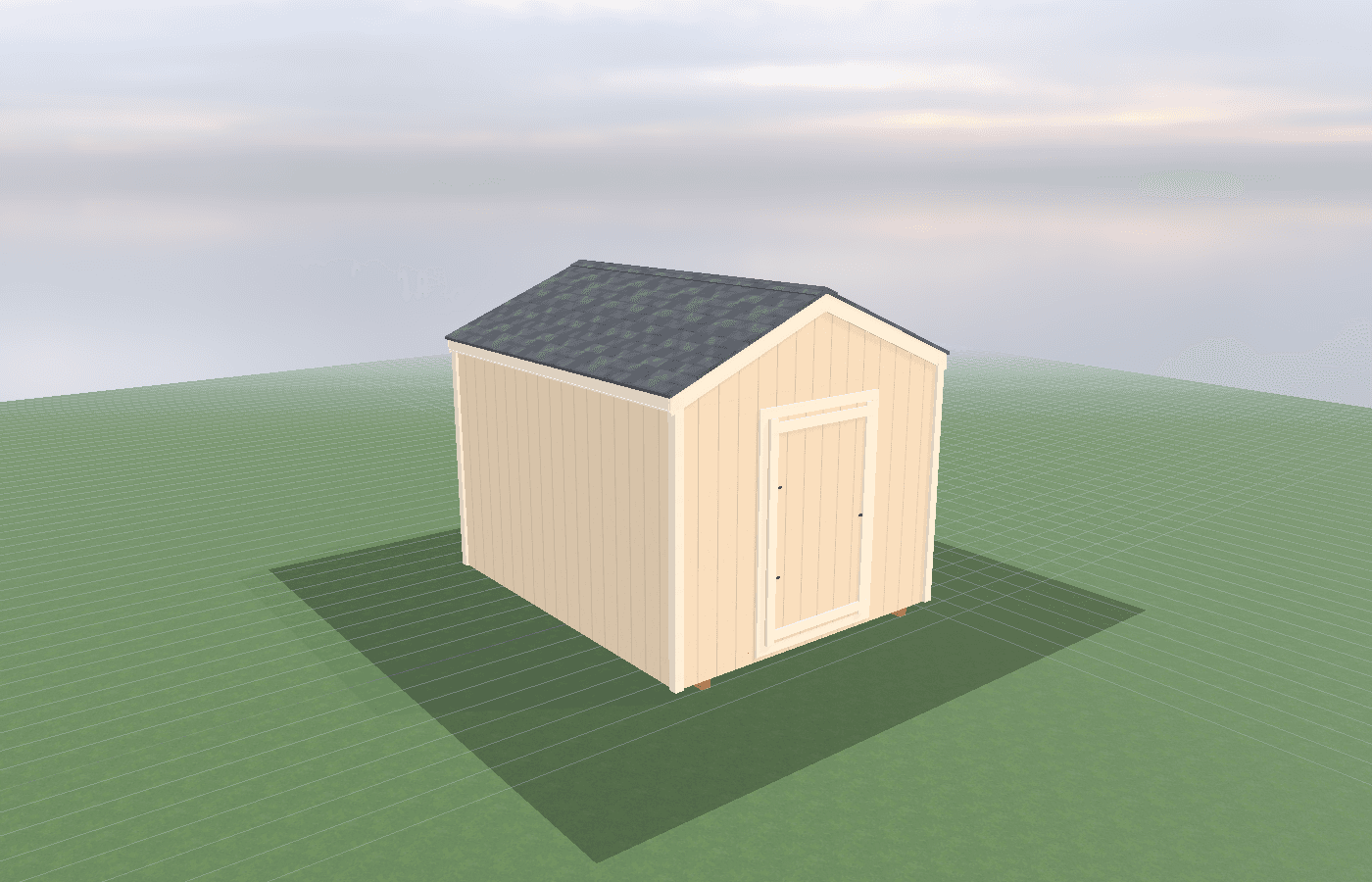
Backup power planning gets easier when you stop thinking in terms of 'whole house' and start thinking in terms of the exact circuits that protect water, food, and winter habitability. In North Idaho, that often means a well pump, one or more freezers, a few lights, and maybe a furnace blower or communications gear. Because NIOS builds on-site, a generator shed can be laid out around the transfer path, outdoor operating zone, snow access, and maintenance storage your property actually needs instead of whatever generic enclosure seems close enough.
Backup Power Wells Freezers in North Idaho
For many rural and semi-rural North Idaho properties, backup power is really about two things first: water and food. If the well pump is down, the property stops functioning fast. If the freezers are down during a long outage, a lot of money and a season's worth of food can disappear quickly. That is why the smartest generator-shed projects begin with load planning, not with shopping for the biggest machine you can afford.
Start with this sequence:
- List only the critical loads first. Well pump, freezer, refrigerator, furnace blower, a few lights, and communications equipment are the normal starting point.
- Read the actual equipment labels. Use nameplate running watts, starting watts, voltage, and amperage whenever possible.
- Separate running load from startup surge. A generator that can carry steady load may still stumble if the well pump and freezer start together.
- Decide whether you need a portable setup, a standby setup, or a staged approach. The answer changes the shed layout completely.
- Plan the transfer method and operating zone before choosing the shed footprint. The room has to support safe use, not just storage.
Manufacturer examples show why surge matters. Generac's current portable-generator watt chart lists a typical refrigerator/freezer around 700 running watts with roughly 2,200 additional starting watts, and a 1/2-horsepower well pump around 1,000 running watts with roughly 2,100 additional starting watts. Those are not universal numbers, but they are a useful reminder that starting load can matter as much as steady draw. Always size from your actual equipment labels and the electrician's review, not from a guess.
A dedicated generator shed helps because it gives the outage routine one home: cords, manuals, service parts, fuel strategy, transfer information, and snow-season setup all stay organized instead of scattered between the garage, mudroom, and utility shelf.
How does shed size affect power planning?
A 6x8 is enough for a lean portable-generator support shed when the machine operates outdoors and the building's job is organized storage, cord handling, and maintenance support. For properties that mainly need to protect a well pump and one freezer bank, this can be a very practical starting point.
An 8x8 gives you more separation between equipment, accessories, and wall-mounted planning materials. That matters more than people think because outage work gets clumsy fast when you are trying to grab cords, lighting, fuel funnels, and hearing protection from one crowded shelf while standing in boots.
An 8x10 becomes attractive when the shed also needs a cleaner wall for transfer-switch information, a support bench, or a better service aisle. If the room supports more than the bare-minimum emergency loads, or if you want the routine to stay calm in bad weather, the extra length helps.
The right size is the one that keeps the outage sequence clear. If the generator can be stored but there is nowhere to stage heavy cords, nowhere to read the load plan, and no easy path to the outdoor operating area, the room is not actually helping. A backup-power shed is supposed to remove chaos from the outage, not hide it behind a locked door.
Systems planning for generator sheds
The most important safety rule is still the simplest one. CDC's current generator guidance says generators must stay outside and at least 20 feet from doors, windows, and vents. That means a generator shed is usually not a box where a portable generator runs indoors. It is more often a support building plus a safe outdoor operating area, or a utility-style support structure built around a standby installation that still respects the manufacturer's airflow and clearance requirements.
Generac's manual-transfer-switch literature is useful for understanding the small end of the planning spectrum. Their current 1-2 circuit manual transfer switch is designed to feed one or two critical circuits such as a well pump or water heater during an outage. That is exactly the kind of narrow, disciplined planning many North Idaho owners need. Not every property requires whole-house backup. Some just need a reliable way to keep water, cold storage, and a few essentials alive.
A good system plan usually includes:
- A protected storage zone for the generator or generator-support gear. Keep oil, spare plugs, gloves, flashlight batteries, and cords together and labeled.
- A documented load list. Post the circuits you intend to run and the startup order so nobody is guessing during an outage.
- A clear path to the outdoor operating position. Portable units should not be wrestled through clutter or snow berms.
- Transfer strategy designed up front. Never plan on improvised backfeeding through a receptacle. The transfer method belongs in the design phase.
- Noise and airflow planning. If you are trying to make the setup less disruptive to the house or neighbors, read generator noise reduction strategies that don't choke airflow before settling the layout.
If you are still deciding between equipment types, portable vs standby generators: what changes the shed design should come first. The right layout for a portable generator support shed is not the same as the right layout for a standby-adjacent utility room.
On-site construction matters here because access and orientation are everything. On a tighter lot in Post Falls, the room may need to sit near the shortest transfer path while still keeping the operating generator safely away from openings and neighbors. A rural lot may need the opposite: easier plow access, longer trench allowance, or more room around the pad.
Cost, timing, and build-planning factors
Backup-power costs move through three buckets: generator equipment, electrical integration, and the building/support layout around it. The shed itself is only one part of the number. Transfer gear, inlet hardware, subpanels, trenching, and any standby fuel infrastructure can change the real budget quickly.
Idaho trade permits matter here. Idaho DOPL's electrical FAQ says a permit is required when electrical, plumbing, or HVAC work is performed, and DOPL's electrical permits page reminds permit holders to call 811 before excavating. That matters for generator sheds because trenching for feeders, inlet boxes, or lighting is common. Kootenai County's building page separately says residential storage buildings over 200 square feet fall into county building review in county jurisdiction, while state inspectors handle electrical and plumbing inspections.
Timing also matters more than people expect. If the build drifts into frozen-ground season, pads, trenching, and access prep get slower and more expensive. If the project starts right after a major outage, there is a temptation to rush the electrical design. Resist that. A calm load plan built before winter is better than an oversized or undersized system chosen in a panic.
Budget first for the parts that make the system more reliable in actual use: transfer hardware, an organized support room, good exterior lighting, snow-season access, and enough wall space to keep cords, documents, and maintenance items visible. If you want the layout matched to your actual outage priorities, start with a free estimate.
Popular sizes and layouts for generator sheds
A 6x8 is the lean, efficient choice for a compact portable-generator support shed focused on critical loads only.
An 8x8 is often the best value because it gives more layout room for cord storage, a support bench, and better separation between equipment and walking space.
An 8x10 is the better fit when the project supports a broader outage routine, a stronger documentation wall, or more integrated utility planning.
The right layout is not the one that holds the most equipment. It is the one that lets someone keep water and food safe during a winter outage without guessing, tripping over cords, or making unsafe power decisions.
Another good planning step is to write a startup order and keep it on the wall. In many outage setups, you do not want every load trying to start at once. Bring the generator online, stabilize it, then add the highest-priority circuits in order, usually starting with water and cold storage. That kind of posted sequence sounds simple, but it prevents a lot of confusion when the outage happens at night, in bad weather, or when someone other than the system planner is the one using the setup.
It also pays to plan routine exercise and maintenance space inside the shed instead of treating the generator like an appliance that never needs attention. Oil, spare plugs, fuel stabilizer, maintenance logs, and battery service items should all live where they can be reached quickly. A backup-power room that supports monthly checks and seasonal prep is a much better investment than one that only looks organized when the generator is brand new.
Popular layouts also improve when the shed gives you room to separate fuels from paperwork and electrical accessories. One shelf for cords and inlet accessories, one cabinet for consumables, and one clearly posted wall for load notes and transfer instructions usually works better than a single mixed utility corner. That kind of separation does not add much square footage, but it does make a small building feel far more dependable when the property is dark and the weather is bad.
Frequently asked questions about generator sheds
What shed size gives enough room for safe power planning in a generator shed?
For many owners, 6x8 is enough for light-duty circuits and basic wall space, while 8x8 gives more separation between benches, outlets, and equipment. The more fixed tools or electronics you add, the more valuable the extra layout room becomes. Compare 6x8 and see 8x8.
What load planning should I do before building a generator shed?
List every critical circuit — well pump, freezer, furnace, lights. Size your generator at 125% of combined running watts. Your shed needs ventilation for exhaust and room for a transfer switch. See generator shed options.
Frequently asked questions
What shed size gives enough room for safe power planning in a generator shed?
For many owners, 6x8 is enough for light-duty circuits and basic wall space, while 8x8 gives more separation between benches, outlets, and equipment. The more fixed tools or electronics you add, the more valuable the extra layout room becomes. Compare 6x8 and see 8x8.
What load planning should I do before building a generator shed?
List every critical circuit — well pump, freezer, furnace, lights. Size your generator at 125% of combined running watts. Your shed needs ventilation for exhaust and room for a transfer switch. See generator shed options.
Ready to plan your build?
Tell us your site, your dimensions, and the use case. We'll come out and price it.