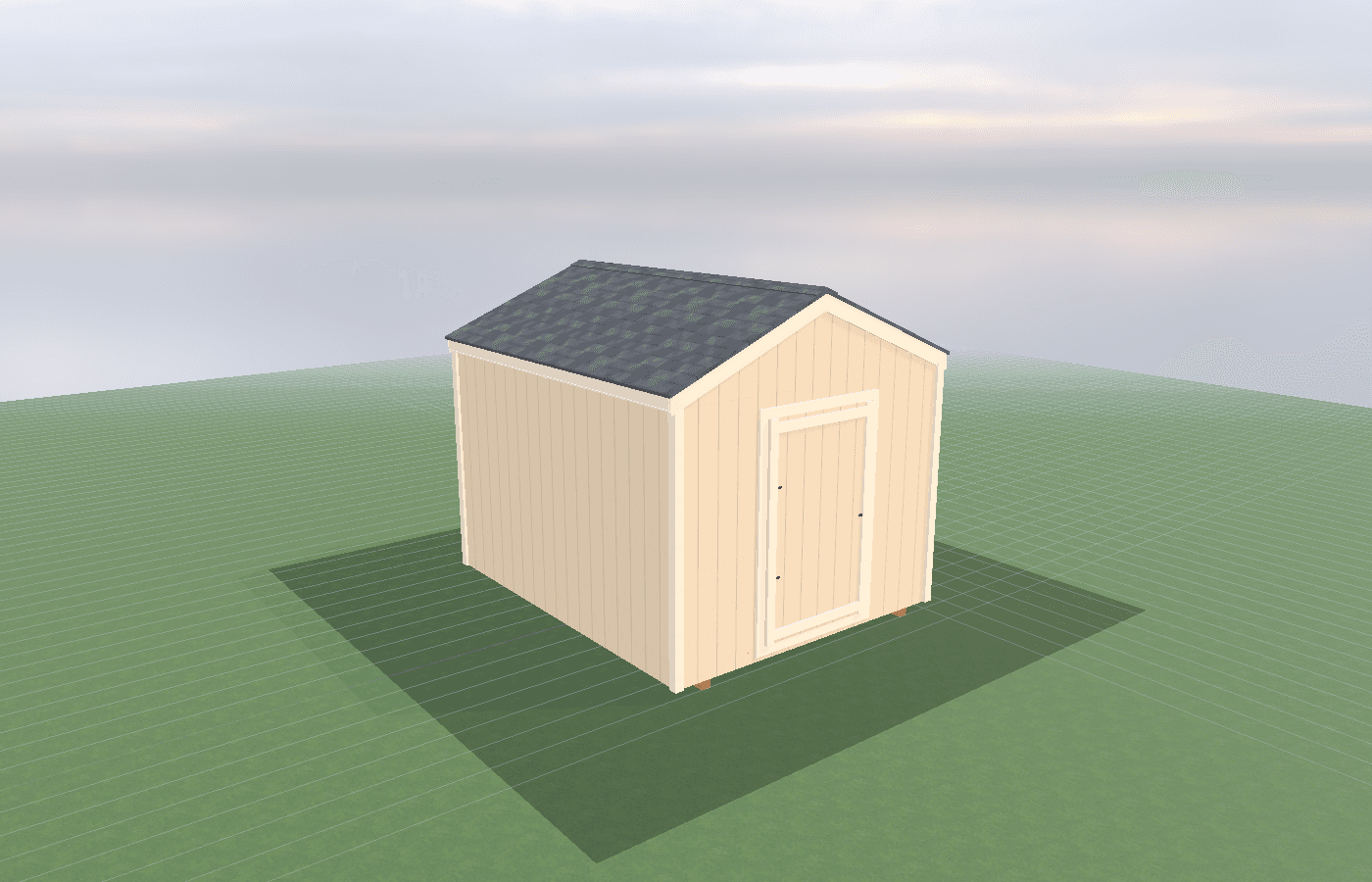
Generator noise reduction strategies that don't choke airflow
Quiet generator design is mostly about placement, separation, and airflow discipline, not just stuffing insulation around the machine. In North Idaho, the best noise-reduction strategies lower the nuisance level for the house and the neighbors while still keeping the generator outdoors, serviceable, and properly ventilated in snow and summer heat alike.
Generator Noise Reduction in North Idaho
Generator noise is one of those problems that gets worse when people try to solve it too aggressively. The instinct is understandable. Put a loud engine in a box, add some foam, close some openings, and hope the sound drops. The trouble is that a running generator also needs combustion air, cooling airflow, exhaust clearance, and service access. If you take away too much of that in pursuit of quiet, you have built a safety problem instead of a backup-power solution.
Current safety guidance leaves no room for confusion on the basics. CDC still says generators belong outside and at least 20 feet away from doors, windows, and vents. Current Generac residential standby guidance says the unit is intended for outdoor installation and warns against blocking ventilation. Those two points shape every honest noise-control strategy. You are not trying to hide the generator in a sealed room. You are trying to reduce nuisance sound while preserving the airflow and exhaust path the equipment requires.
The good news is that a lot of generator noise can be reduced before you ever touch acoustic materials. Placement is the first tool. Distance helps. Breaking line of sight helps. A generator aimed away from bedroom windows and outdoor seating will sound different than the same unit pointed into a hard-sided corner. Snowbanks, fences, and nearby walls also affect sound. In winter, packed snow can reflect noise in ways homeowners do not expect, so the generator that seems acceptable in October can feel much louder during a January outage.
North Idaho lots make those variables more noticeable. On a tighter Post Falls lot, neighbors and side-yard reflections matter more. On rural land, the bigger issue may be preventing noise from carrying back toward the house or shop. On-site construction helps because the generator support structure, baffle wall, and access door can all be oriented to the property instead of forced into a prefab pattern.
A useful rule for North Idaho owners is to treat noise control as part of the whole-site plan, not just as a wall detail. If the generator pad, screen wall, and support room all work together, the system usually sounds quieter than a supposedly acoustic design that ignores the lot. That is one reason a purpose-built generator shed can outperform improvised solutions. It lets the screening, storage, service access, and winter operating routine be planned together instead of fixed piece by piece after the fact.
What size generator shed do you need?
A 6x8 is enough for a compact support shed or a small acoustic-screen concept if the design stays disciplined. In that size, the building usually supports storage, maintenance access, and one or two simple line-of-sight noise breaks. It is not generous, but it can work well when the operating generator remains outside and the shed's role is support, screening, and organization.
An 8x8 gives you more options. This is often where noise control starts getting more practical because there is room for offset openings, a better working aisle, or a dedicated wall that functions as a sound break without crowding the equipment-support side of the layout. If the owner wants both easier maintenance and less perceived noise, 8x8 is a strong starting point.
An 8x10 is usually the better fit when the design includes a more deliberate baffle path, a service bench, or a separate support zone for transfer-switch documents, cords, and outage gear. Extra room matters because airflow works better when it is not forced through tiny openings, and sound control works better when you can break line of sight without building a maze.
The simplest rule is this: if the only way to make the layout work is to shrink openings or crowd the generator path, the footprint is too small. Noise reduction almost always benefits from a little more breathing room, not less.
Best layouts and features for generator sheds
Start with the cheapest and safest tactic: siting. Put the generator where sound is not aimed directly at the most sensitive places. Use the building itself, a fence section, or a separate baffle wall to interrupt direct sound paths. A line-of-sight break can reduce perceived noise without touching the engine at all.
After placement, think about airflow paths. A better noise-control layout usually relies on larger, slower, better-directed air openings instead of tiny vents. Offset intake and discharge paths help because sound does not travel in a straight shot as easily, but the openings still need enough free area to move cooling air. That is why oversized louvers, nonparallel baffles, and serviceable screen walls usually outperform a heavily stuffed enclosure. They reduce direct sound transmission without choking the machine.
Structure-borne vibration matters too. A generator on a poor base can telegraph noise through the pad, the wall framing, or any hard surface it touches. Anti-vibration mounts, a solid pad, and careful separation between the generator and nearby framing can reduce the droning quality that bothers people indoors. If the project involves a standby unit, check every manufacturer requirement before adding any shield or barrier near the enclosure.
What does not work well? Wrapping the space in household foam, shrinking vent openings because the machine seems too loud, or pushing the unit deeper into an enclosed corner. Those moves often make the sound character harsher while starving the machine of airflow. If the room also supports outage planning, combine the acoustic strategy with the equipment-planning ideas in portable vs standby generators: what changes the shed design? and the load-planning advice in backup power for wells and freezers: planning loads and circuits.
A well-designed on-site build can also separate a conditioned support room from the generator's outdoor operating zone. That lets you keep tools, documents, and accessories dry and quiet without pretending the engine bay itself should behave like a normal interior room.
Cost, timing, and build-planning factors
The lowest-cost noise control is smart placement. Rotating the shed, shifting the pad, or using an existing structure as a sound screen often does more good than a complicated wall assembly. After that, the bigger cost drivers are oversized louver packages, dedicated baffle walls, heavier finishes, and the extra framing or site work needed to preserve airflow while improving acoustic separation.
Timing matters because backup-power projects often get rushed right after an outage. That is understandable, but it is not ideal. In North Idaho, snow, frozen ground, and muddy shoulder seasons can complicate trenching, pads, and access. Kootenai County still reviews building permits for larger storage structures, and Idaho DOPL still requires permits for electrical work, so the cleanest projects are the ones that sort out noise, power routing, and site access before the first major storm arrives.
Winter use also changes what the design needs to survive. Snow removal paths must stay open. Intake openings cannot be placed where drifting snow packs in. Service doors need enough room to open with boots and gloves on. Those are practical details, but they are part of the acoustic conversation because a noise-control layout that fails in January is not much of a solution.
If you want to compare approaches, get a free estimate before you settle on a footprint. Noise control is one of those categories where the lot geometry matters almost as much as the generator model.
Popular sizes and layouts for generator sheds
A 6x8 usually works best as a compact support shed paired with an exterior operating area and one simple acoustic screen. It is efficient and cost-conscious, but it needs a disciplined layout.
An 8x8 is often the sweet spot for owners who want a more useful wall plan, a better working aisle, and room for offset openings or a separate baffle wall. It gives the design enough tolerance to be quieter without becoming fussy.
An 8x10 is the better choice when the building also supports a more elaborate backup-power routine or when the owner wants the extra room that makes maintenance, documentation, and outage setup easier. This is often the size that feels like a real utility space instead of a compromise.
The right layout is the one that reduces noise without fighting physics. If air can move freely, the generator stays outside where it belongs, and the house hears less of it, the design is working.
Frequently asked questions about generator noise reduction
What size generator shed works best for generator noise reduction strategies that dont choke airflow?
For many North Idaho buyers, 6x8 and 8x8 are the best starting sizes because they balance usable floor space with realistic placement on the property. We then size up or down based on snow load, storage volume, and how much dedicated work or seating area you need. Compare 6x8 and see 8x8.
What climate control does a generator shed shed need in North Idaho?
At minimum, insulate to R-19 walls and R-38 ceiling for year-round use. A mini-split heat pump handles heating and cooling efficiently. Add ventilation specific to your use case. Get a free estimate.
Frequently asked questions
What size generator shed works best for generator noise reduction strategies that dont choke airflow?
For many North Idaho buyers, 6x8 and 8x8 are the best starting sizes because they balance usable floor space with realistic placement on the property. We then size up or down based on snow load, storage volume, and how much dedicated work or seating area you need. Compare 6x8 and see 8x8.
What climate control does a generator shed shed need in North Idaho?
At minimum, insulate to R-19 walls and R-38 ceiling for year-round use. A mini-split heat pump handles heating and cooling efficiently. Add ventilation specific to your use case. Get a free estimate.
Ready to plan your build?
Tell us your site, your dimensions, and the use case. We'll come out and price it.