Portable vs standby generators: what changes the shed design?
Portable and standby generators can both keep a North Idaho property running, but they drive very different shed decisions. Portable systems need outdoor-only operation, safe fuel handling, and a fast setup path, while standby systems need permanent placement, transfer equipment, and snow-season service access designed in from day one.
Portable vs Standby Generators in North Idaho
The phrase generator shed means different things depending on the equipment. That is the core issue behind this guide. A portable generator setup and a standby generator setup may both live under the backup-power umbrella, but they do not use the building the same way, they do not connect to the house the same way, and they do not carry the same safety rules.
Portable systems are flexible and usually cheaper to buy up front. They can be stored when not needed, moved where needed, and sized around a smaller list of loads. But current CDC guidance remains blunt: generators must stay outside, at least 20 feet from doors, windows, and vents, because carbon monoxide can kill even when the unit is in a garage, carport, or partly open structure. FEMA's current generator-safety messaging points households to the same rule. That means a portable-generator shed is usually not a closed box that runs the machine inside. It is more often a readiness structure that stores the unit, cords, fuel strategy, maintenance gear, and transfer equipment while supporting a safe outdoor operating position.
Standby systems change the design. Current Generac installation guidance for air-cooled residential standby units says the generator is factory enclosed for outdoor installation, must operate outdoors only, and must not have its ventilation blocked. A standby installation is also typically tied to a transfer switch, fuel source, and permanent pad location. So when a North Idaho buyer says they want a standby generator shed, the useful question is usually whether they mean an adjacent support structure, a utility room for transfer and fuel accessories, or a custom on-site enclosure strategy designed around manufacturer clearances and airflow.
North Idaho conditions amplify those differences. On a rural lot, a portable system may be perfectly reasonable if the household mainly needs backup for a freezer, lights, and a well pump during short outages. A whole-home standby system becomes more attractive when the owner wants automatic restart, longer outage coverage, or less setup in blowing snow. Around Post Falls, tighter lots can make noise direction, side-yard clearances, and service access more important. On larger acreages, the challenge is often distance from the house, winter access, and how the system supports wells, pumps, or detached shops.
That is where on-site construction helps. Because NIOS builds on-site, the footprint can be shaped around the actual lot, pad location, trench path, and snow-plowing route rather than around delivery constraints. Backup power is one of the clearest cases where site-specific building beats generic assumptions.
What size generator shed do you need?
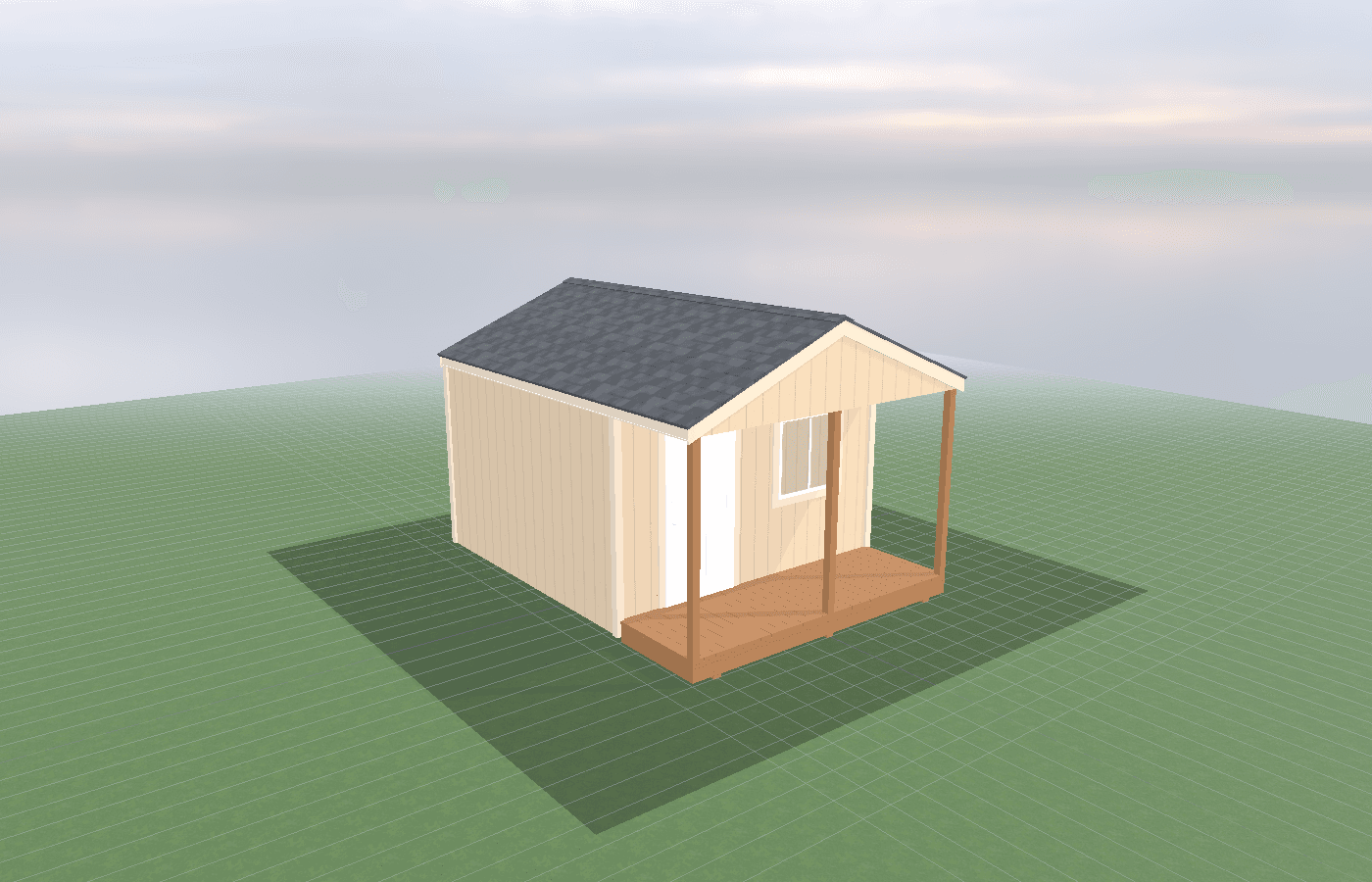
A 6x8 works well for a compact portable-generator support shed. It gives enough space to store the generator when not in use, hang heavy cords, keep a battery maintainer or transfer accessories organized, and preserve a clear path to roll or carry the unit out to its safe operating position. For a modest North Idaho outage plan, that may be all you need.
An 8x8 is a stronger all-around portable layout because it creates more room for a maintenance bench, better wall storage, and cleaner separation between the generator itself and the accessories that make it usable in bad weather. It is also a good size when the room needs to hold snow shovels, fuel-transfer gear, spare oil, and labeled cords without turning into a pile.
An 8x10 becomes more attractive when the shed is really a backup-power utility room. That might mean space for a transfer switch wall, a dedicated support bench, a better refueling workflow, or a standby-adjacent support room that needs more service clearance. If the owner wants the structure to support not only the generator but also outage routines for a freezer bank, pump controls, or work lights, the extra length pays for itself quickly.
The honest rule is this: size the shed around everything that must happen calmly during an outage. If the generator can be stored but the owner still has to untangle cords in the snow, move tools to access the switchgear, or refuel in a cramped doorway, the space is undersized. A backup-power shed is supposed to reduce friction, not add a new bottleneck.
Best layouts and features for generator sheds
Portable systems work best with a layout built around sequence. The first zone is storage for the generator itself. The second is the hookup zone with inlet accessories, transfer-switch information, and heavy cords. The third is support storage for oil, funnels, gloves, hearing protection, flashlights, and weather gear. If those zones are mixed together, setup becomes slower right when speed matters most.
A good portable-generator shed also needs an obvious path from storage to the outdoor operating area. The machine should not have to be wrestled through clutter or turned around in a tight doorway. Many owners benefit from wide doors, a roll-out threshold, dedicated hooks for cords, and a posted checklist that matches the house circuits the unit is meant to support. If you are planning loads for water and cold storage, pair this guide with backup power for wells and freezers: planning loads and circuits.
Standby systems need a different layout philosophy. The generator itself usually belongs outside on its approved pad with required clearances, while the shed becomes the organized support space for switchgear, documents, maintenance parts, and sometimes related utility equipment. Some buyers also want the building to help with screening or sound management, but any noise-control move has to respect the airflow and outdoor-only rules. That is why generator noise reduction strategies that don't choke airflow is worth reading before finalizing the design.
Features that pay off on either setup include a snow-shedding roof, simple lighting, labeled storage, lockable doors, and a floor plan that lets one person work without kneeling over gear. North Idaho winters are hard enough without a bad layout. The best backup-power rooms feel boring in a good way. Everything is where it should be and nothing has to be guessed at.
Cost, timing, and build-planning factors
Portable setups usually cost less overall because the generator itself is cheaper and the building can stay simpler. But the shed still needs to support safe operation, which means good storage, good access, and a realistic plan for cords, fuel, and snow-season handling. Standby systems cost more because the whole project is more integrated: pad, fuel, switchgear, electrical work, and manufacturer-specific installation rules all come into play.
Idaho permit coordination matters on both paths. Idaho DOPL's current electrical FAQ says a permit is required when electrical, plumbing, or HVAC work is performed, and it also notes that a city or county building permit may not replace state electrical permitting. DOPL's permits-and-inspections page also reminds permit holders to call 811 before excavating. That is important on generator projects because trenching and service routing are common.
Local site review still matters too. Kootenai County's current Community Development page says the building division handles residential storage buildings over 200 square feet, while setbacks, utilities, and access still need to make sense even on smaller footprints. In practical terms, that means backup-power sheds are easier and cheaper when planned early, before trench routes and pad locations are locked in by winter or by other improvements.
If you are comparing options, the pricing page is a useful starting point, but backup power is one of those categories where the real cost is tied to how the property actually works. A little planning now usually saves a lot of awkward retrofitting later.
Popular sizes and layouts for generator sheds
A 6x8 is the strong compact choice for a portable-generator readiness shed. It works best when the operating pad is outside, the cord plan is disciplined, and the shed's job is organization rather than multi-use storage.
An 8x8 is often the best value size because it gives more breathing room for storage, maintenance, and winter access without jumping too far in cost or footprint. For many homeowners, this is the size where the room starts serving the outage plan instead of merely containing equipment.
An 8x10 is the better fit when the backup-power shed needs to do more than one job. It may support a portable system plus wall-mounted controls, or it may function as the serviceable side room that makes a standby installation easier to live with. If you want the layout to remain usable after a snowy night and a rushed start, the extra room can be worth it.
The best layout is the one that shortens outage setup time and reduces mistakes. If the generator can be accessed cleanly, the cords and switchgear are obvious, and the room stays navigable in boots and heavy jackets, the design is doing its job.
Frequently asked questions about generator sheds
What size generator shed works best for portable vs standby generators: what changes the shed design?
For many North Idaho buyers, 6x8 and 8x8 are the best starting sizes because they balance usable floor space with realistic placement on the property. We then size up or down based on snow load, storage volume, and how much dedicated work or seating area you need. Compare 6x8 and see 8x8.
What is the most common mistake people make when planning a generator shed shed?
Underestimating space needs is the most common error. Measure your equipment and add 25-30% for workspace and future growth. In North Idaho, also factor in snow gear and seasonal storage demands. Get a free estimate.
Frequently asked questions
What size generator shed works best for portable vs standby generators: what changes the shed design?
For many North Idaho buyers, 6x8 and 8x8 are the best starting sizes because they balance usable floor space with realistic placement on the property. We then size up or down based on snow load, storage volume, and how much dedicated work or seating area you need. Compare 6x8 and see 8x8.
What is the most common mistake people make when planning a generator shed shed?
Underestimating space needs is the most common error. Measure your equipment and add 25-30% for workspace and future growth. In North Idaho, also factor in snow gear and seasonal storage demands. Get a free estimate.
Ready to plan your build?
Tell us your site, your dimensions, and the use case. We'll come out and price it.