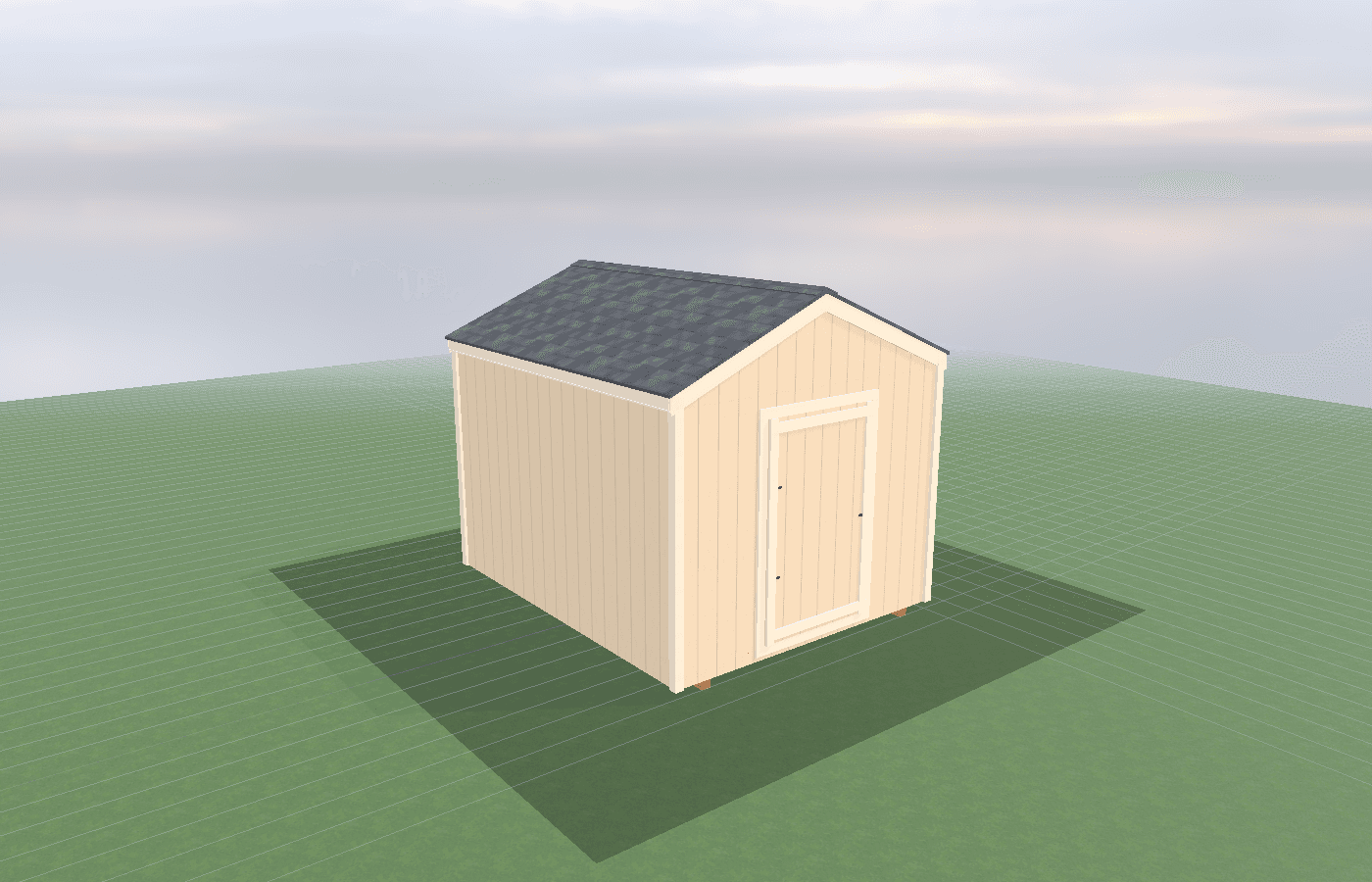
Freeze protection for wells: well house insulation basics
A North Idaho well house does not need to be tropical, but it does need to stay sealed, insulated, and serviceable through hard freezes. The best freeze-protection plans combine the right shed size, insulation, controlled heat, and pipe layout so your water system keeps working when snow, wind, and single-digit nights show up together.
Freeze Protection for Wells in North Idaho
Freeze protection in a well house is not really about one magic product. It is about building a small utility room that loses heat slowly, blocks wind well, and leaves enough access to protect the equipment that matters. In North Idaho, that usually means treating the well house like infrastructure instead of an afterthought. If the enclosure is too loose, too small, or badly placed, you notice it on the coldest morning of the year when the water line is sluggish, the pressure switch is frosting up, or the pump room feels like an icebox.
A few official sources make the basics clear. Oregon State Extension's current freeze-prep guidance says a pump house should have insulation in the walls, door, and ceiling; cracks and openings should be sealed; and the room should have enough controlled heat to hold roughly 35 to 42 degrees. The same guidance notes that insulated sleeves on pipes and heat tape can buy important time during outages. Penn State Extension's current private-water guidance adds another part of the puzzle: the water line passing through the casing should use a pitless adapter below the frost depth, the casing should extend above grade, and the ground should slope away so surface water does not pond around the well.
Those details matter more in North Idaho than they do in mild climates. Snow loads commonly start around 40 psf and can run into the 50s and 60-plus depending on elevation and exposure, so the roof has to be built for winter weight. The site also needs to tolerate freeze-thaw cycles, mud season, and drifting snow. On-site construction is a real advantage here because the building can be fitted to the actual well head, trench direction, pressure tank location, and service path instead of being forced into a generic prefab footprint.
If you are building around a private well near Athol, the practical goal is straightforward: keep the water system above freezing without making service miserable. That means insulation, air sealing, and heat all have to work together. It also means the well house should connect logically to related planning guides like well house layouts: access clearances and maintenance-friendly designs and rodent-proofing and drainage in utility enclosures, because a dry, sealed, accessible room stays warmer and works longer.
How does shed size affect heating and airflow?
The room size changes freeze protection in two ways. First, smaller volumes are easier and cheaper to keep above freezing. Second, rooms that are too small crowd the pressure tank, pipes, and valves so tightly that heat cannot circulate and service becomes awkward. A 6x8 well house is often the best starting point because it is compact enough to hold temperature efficiently but still large enough for a basic pressure tank, manifold, and service aisle on many North Idaho properties.
An 8x8 is usually easier to live with. The extra space gives more room around the tank and well controls, which helps warm air move through the enclosure instead of stagnating in one corner. It also creates more usable wall space for insulated pipe runs, shutoffs, and filters. For owners who want a better buffer against future upgrades, 8x8 often feels like the right balance between utility and cost.
An 8x10 starts making sense when the system is more involved or when access is tight. If the room needs a larger pressure tank, more filtration, additional valves, or a cleaner separation between the well head and the service side, the extra length can make freeze protection easier because the layout is more honest. A cramped room forces compromises. A slightly larger room lets you insulate better, leave pipe penetrations readable, and get a heater where it actually helps.
Airflow inside the room matters, but this is not the same kind of airflow conversation you would have in a generator shed. In a well house, you usually want gentle, even circulation around the tank and plumbing without creating windy leaks. Controlled heat and enclosed air are helpful. Drafts are not. That is why sealing bottom-of-wall gaps, tightening the door, and insulating the ceiling often do more for winter performance than buying a stronger heater and hoping brute force fixes the envelope.
Systems planning for well house sheds
The strongest freeze-protection systems start below grade. If the line exits the casing below frost depth through a pitless adapter, the most vulnerable section of piping is already better protected before the shed even begins. From there, the room should be designed so every pipe penetration is visible, sealable, and serviceable. Hidden voids, sloppy holes, and inaccessible elbows are exactly where freeze damage and moisture trouble tend to start.
Insulation works best when it does two jobs at once: it slows heat loss and reduces air leakage. Closed-cell spray foam can do both, but rigid foam plus careful air sealing or batt insulation plus a well-detailed interior layer can work too if the assembly is built cleanly. The exact product matters less than the continuity. A well house with decent insulation but five wind leaks is still a cold room.
Heat strategy should also be specific. A thermostatically controlled heater is usually easier to manage than a constantly running heat source. Pipe heat tape can be helpful, especially on exposed sections, but it should support the room strategy rather than replace it. If the room depends on one fragile piece of heated tape and has no insulated envelope, the system is incomplete. In practical builder terms, the room should stay above freezing long enough to ride through short power interruptions and cold snaps without panic.
Layout and maintenance still belong in the same discussion. If the heater, tank, and pressure switch are all jammed together, service calls take longer and parts are more likely to get bumped, unplugged, or blocked. That is why a true well house shed is more than a decorative cap over a well. It is a service room built around the actual equipment.
Cost, timing, and build-planning factors
The major cost drivers on freeze-protected well houses are usually not the wall studs. They are the envelope details, the pad or floor system, the utility coordination, and the time spent making the room truly serviceable. A simple cover can be cheap. A real utility enclosure that holds heat, controls moisture, and survives North Idaho winters costs more because more of the build is doing real work.
Timing matters too. Frozen ground, mud season, and snowed-in access can all complicate trenching, pads, and service coordination. Kootenai County's current building page says permits are required before grading, excavating, or storm-drainage and run-off control work, and the county reviews residential storage buildings over 200 square feet in county jurisdiction. Idaho DOPL's current FAQ says permits are required when electrical, plumbing, or HVAC work is performed, and DOPL's permit page reminds permit holders to call 811 before excavation. If the well house needs wiring for heat, lighting, or controls, those permit conversations matter early.
The cheapest time to solve freeze protection is before the room is closed in. Adding insulation, moving a pressure tank, or correcting bad penetrations after one winter of problems is always more expensive than getting the layout right on day one. That is especially true when the site already has drainage, slope, or access constraints.
If you are still comparing footprints or trying to judge how much freeze protection your system really needs, get a free estimate. A quick site-specific look usually tells you whether a 6x8 is enough or whether the room needs more breathing room to do the job right.
Popular sizes and layouts for well house sheds
A 6x8 works best for compact systems where the goal is efficient heat retention, straightforward service, and a simple pressure tank layout. It is often the best first answer on North Idaho residential wells.
An 8x8 is the best all-around option for many buyers because it gives more room for insulation continuity, easier pipe routing, and better technician access without becoming oversized utility space. This size is often where the room starts feeling truly maintainable.
An 8x10 is the better fit when the system is more involved, when the owner wants more service clearance, or when filters, manifolds, and electrical controls all need to live in the same enclosure. It is also a good choice when the room needs to stay organized after future system upgrades.
The best layout is the one that keeps vulnerable plumbing inside the insulated volume, keeps drafts out, and gives a technician enough room to work without tearing the whole room apart. If the water system stays dry, readable, and above freezing through the winter, the size and insulation choices were probably right.
Frequently asked questions about well house sheds
What size well house shed works best for freeze protection for wells: well house insulation basics?
For many North Idaho buyers, 6x8 and 8x8 are the best starting sizes because they balance usable floor space with realistic placement on the property. We then size up or down based on snow load, storage volume, and how much dedicated work or seating area you need. Compare 6x8 and see 8x8.
How do I insulate a well house shed to prevent freeze damage in North Idaho?
Use closed-cell spray foam on walls and ceiling for both insulation and air sealing. Add a thermostatically controlled heat lamp or heat tape on pipes. R-19 minimum walls; R-30 ceiling. See well house options.
Frequently asked questions
What size well house shed works best for freeze protection for wells: well house insulation basics?
For many North Idaho buyers, 6x8 and 8x8 are the best starting sizes because they balance usable floor space with realistic placement on the property. We then size up or down based on snow load, storage volume, and how much dedicated work or seating area you need. Compare 6x8 and see 8x8.
How do I insulate a well house shed to prevent freeze damage in North Idaho?
Use closed-cell spray foam on walls and ceiling for both insulation and air sealing. Add a thermostatically controlled heat lamp or heat tape on pipes. R-19 minimum walls; R-30 ceiling. See well house options.
Ready to plan your build?
Tell us your site, your dimensions, and the use case. We'll come out and price it.