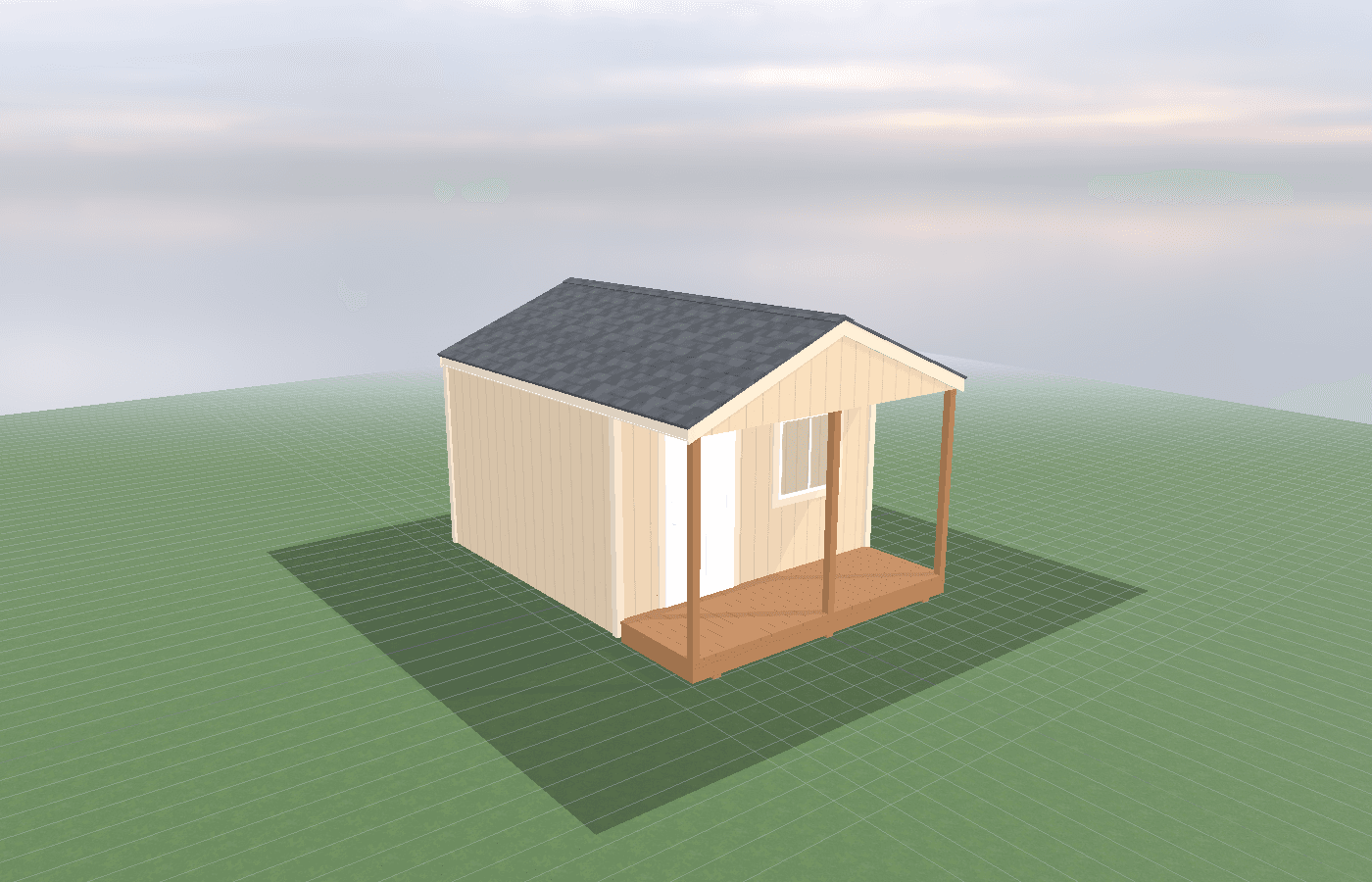
Noise and vibration: how to avoid annoying neighbors
A backyard gym can be quiet enough for the owner and still be irritating to the lot next door. In North Idaho neighborhoods, the real problem is usually low-frequency thump, repeated impact, and where the shed sits relative to bedroom windows and fences. On-site construction helps because placement, floor structure, and wall details can be tuned to the actual property instead of guessed at after complaints start.
Noise Vibration Avoid Annoying in North Idaho
Noise control for a gym shed starts with an honest question: what kind of sound are you really creating? Music is one thing. A treadmill deck, dropped dumbbell, kettlebell swing, or barbell platform is something else entirely. Neighbors usually tolerate occasional music far better than repetitive impact and vibration, especially early in the morning or late at night.
That matters in North Idaho because many gym sheds go into residential yards where the distance between structures is not huge. A shed can be set far enough from the house to feel private yet still sit directly across from a neighbor's bedroom window, patio, or fence line. Once winter arrives and windows are shut, owners sometimes assume noise matters less. In reality, low-frequency thump and structure-borne vibration still travel surprisingly well.
A well-planned gym shed controls sound at the source, in the floor assembly, in the wall and window package, and in the site plan. The best solution is almost never one magic material. It is a set of small choices that keep energy from getting out of the room in the first place. On a visible residential lot near Coeur d'Alene, shed placement can matter as much as insulation thickness.
This is where on-site construction has a practical edge. The building can be oriented away from the most sensitive property line, the noisiest equipment can be placed on the strongest part of the floor, and openings can be kept off the worst exposure before the shell is fixed in place.
What size gym shed do you need?
Size affects noise because it changes how much room you have to separate the loudest equipment from walls, windows, and neighbors.
A 10x12 gym shed can be quiet enough, but it gives you the smallest buffer. The rack, cardio equipment, speakers, and door path often share the same air volume and the same floor area. That means every decision matters more. If the tread or lifting zone lands hard against the exterior wall, neighbors will notice it sooner.
A 10x16 is usually the easiest size for noise control because it gives physical separation. The loudest zone can live away from the nearest property line, while the quieter mobility or cardio side stays near the entry. More room also means the speakers can run lower and still feel full, which is an overlooked benefit.
A 12x12 can work well for a centered layout, but the wider room can encourage a bigger rack or more equipment, which also means more vibration if the floor is not reinforced properly. Bigger is not automatically quieter. The useful part of extra size is the ability to distance the noisiest activity from the wall and to keep a cleaner layout.
The more compact the gym, the more deliberate you need to be about equipment placement, operating hours, and floor design. Size does not solve noise by itself. It simply gives you more options to solve it well.
Best layouts and features for gym sheds
Control impact first
The biggest sound problem in most gym sheds is not airborne noise. It is impact and vibration. Thick rubber, platforms, and reinforced floor zones do more to cut annoying neighbor noise than adding a decorative acoustic panel ever will. That is why flooring options for gym sheds (rubber, platform, reinforced subfloor) belongs at the front of the conversation.
Manage room finishes and openings
Insulated walls, better windows, and airtight door seals help reduce airborne sound. Double-pane windows are worth considering when the shed faces another home, but the layout still matters. A wall full of glass on the neighbor side is rarely the smartest move for a gym. Keep the loudest equipment off that wall and protect a quieter side for windows if possible.
Coordinate HVAC and fan noise
Mechanical systems contribute their own sound. A noisy condensate pump, a mini-split outdoor unit under a bedroom window, or a wall fan buzzing through a light frame can turn a good shed into an annoying one. DOE guidance on air-source heat pumps specifically notes that outdoor units should be located away from windows and adjacent buildings when possible and that lower outdoor sound ratings matter. That same placement logic applies to a gym shed. If the room also needs humidity control, gym shed HVAC: controlling humidity and condensation should be planned at the same time so the quiet solution is also the dry one.
Use the site, not just the walls
Fences, grade changes, landscaping, and simple orientation can all help. Even a few extra feet of distance from the nearest property line can make a noticeable difference with repetitive impact noise. On-site construction helps because the floor plan and shed placement can be adjusted to the real neighbor relationships before the final pad is built.
Cost, timing, and build-planning factors
Noise control costs less when it is built in early. The money usually goes to better floor structure, heavier rubber, thoughtful window and door placement, and a cleaner site plan. Those are much cheaper to handle before the shed is finished than after the owner starts hearing complaints.
Timing matters for another reason too: neighbors are often easiest to work with before the shed is built. If the lot is tight, it is smart to think through where the loudest wall, door, and outdoor unit will face before the pad is excavated. In North Idaho, winter training schedules can also make noise more noticeable because early-morning starts happen in otherwise quiet neighborhoods.
The cost of doing nothing is not just social friction. A badly planned gym often forces the owner to stop using certain movements, turn down the system, or avoid training at certain times. That defeats the point of building the room in the first place.
Most common gym footprints in this batch stay under the common 200-square-foot Kootenai County storage threshold, but planning quality still matters because the shed is functioning like a purpose-built room, not a spare storage box. If the project may later expand or become more elaborate, it is worth resolving the site and sound strategy now.
If you want a gym shed that works for your training without becoming the loudest thing on the block, request a free estimate before the final layout is locked.
Popular sizes and layouts for gym sheds
For most buyers, the best noise-control starting sizes are 10x12 and 10x16, with 12x12 working well when the layout is centered and disciplined.
A 10x12 can stay neighbor-friendly if the heavy-impact zone is limited, the floor is reinforced where needed, and the building is placed carefully on the lot. A 10x16 is usually the easiest size to make quiet because it gives space to separate speakers, cardio equipment, and lifting areas from the most sensitive wall. A 12x12 can be great for a centered rack and balanced layout, but it still wants a good floor and sensible operating habits.
The most neighbor-friendly layouts put the loudest activity away from the closest house, keep windows off that wall when possible, and avoid crowding the entry with wet shoes and equipment that get slammed around. Better sound control is usually a layout result before it becomes a product result.
The goal is not to build a recording studio. It is to keep the shed pleasant to use while making sure the impact and mechanical noise do not carry farther than they need to. Sometimes the best solution is simply behavioral: save sled pushes, drops, or loud playlists for reasonable hours and use quieter recovery or mobility sessions early in the morning. Good construction solves a lot, but sensible operating habits finish the job.
That is where on-site construction helps most. The structure, pad, and layout can be shaped around your actual lot lines and neighbor relationships instead of forcing a standard plan into a sensitive backyard. That extra flexibility is often what lets the owner keep the gym convenient without putting the noisiest wall or outdoor unit exactly where it will be heard the most. On a compact neighborhood lot, those few feet of placement freedom can be the difference between a shed that disappears into the routine and one that keeps creating tension with nearby neighbors over time on tight North Idaho neighborhood lots.
Frequently asked questions about gym sheds
What size gym shed works best for noise and vibration: how to avoid annoying neighbors?
For many North Idaho buyers, 10x12 and 10x16 are the best starting sizes because they balance usable floor space with realistic placement on the property. We then size up or down based on snow load, storage volume, and how much dedicated work or seating area you need. Compare 10x12 and see 10x16.
How do I reduce noise from a gym shed to avoid disturbing neighbors?
Thick rubber flooring absorbs impact noise. Insulated walls and double-pane windows cut airborne sound. Position the shed away from neighboring bedroom windows and avoid early-morning sessions. See gym shed options.
Frequently asked questions
What size gym shed works best for noise and vibration: how to avoid annoying neighbors?
For many North Idaho buyers, 10x12 and 10x16 are the best starting sizes because they balance usable floor space with realistic placement on the property. We then size up or down based on snow load, storage volume, and how much dedicated work or seating area you need. Compare 10x12 and see 10x16.
How do I reduce noise from a gym shed to avoid disturbing neighbors?
Thick rubber flooring absorbs impact noise. Insulated walls and double-pane windows cut airborne sound. Position the shed away from neighboring bedroom windows and avoid early-morning sessions. See gym shed options.
Ready to plan your build?
Tell us your site, your dimensions, and the use case. We'll come out and price it.