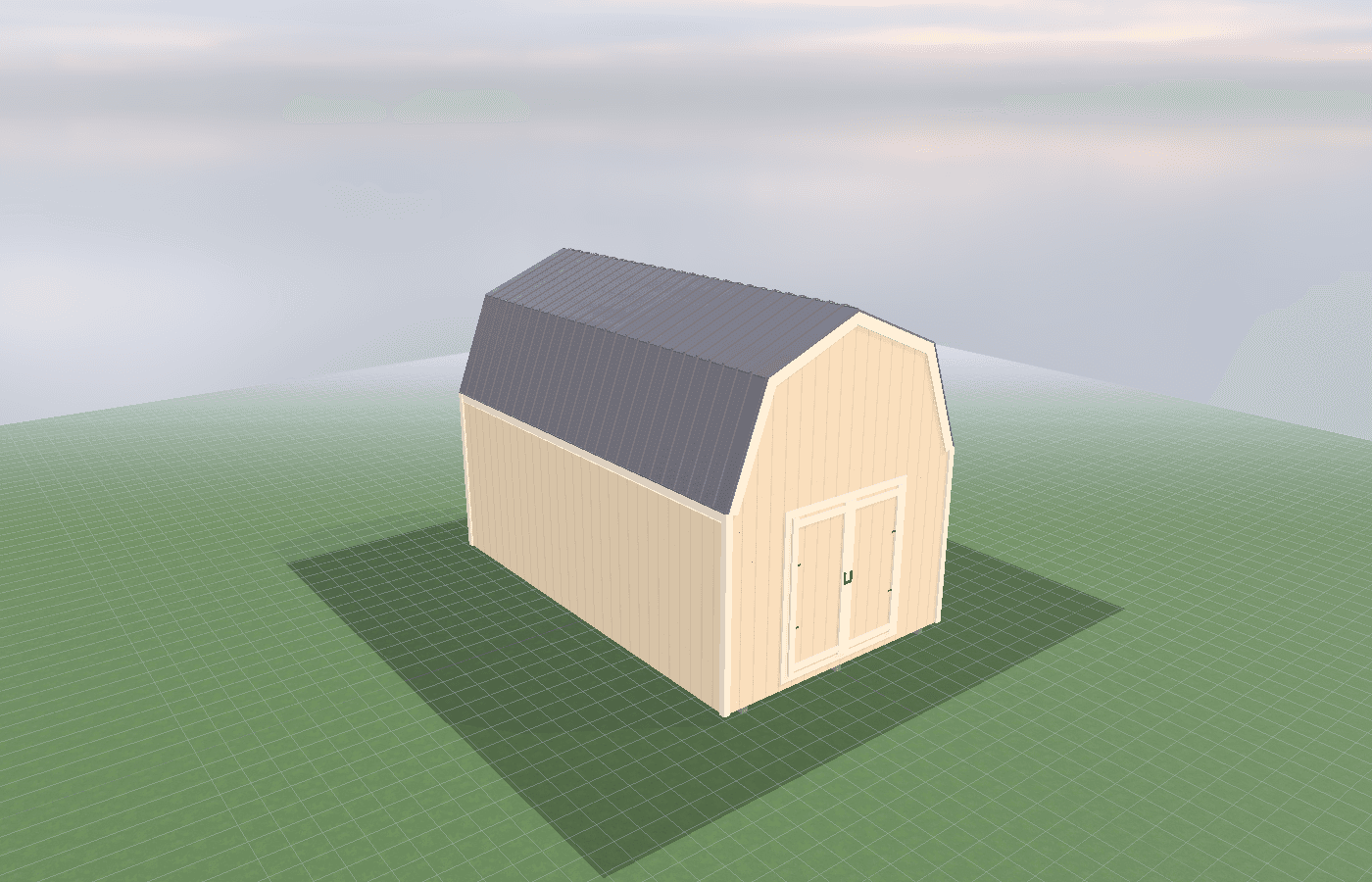
Playhouse lofts, slides, and climbing features: pros/cons
Lofts, slides, and climbing features can make a playhouse memorable, but each one changes the safety math. In North Idaho, the right answer depends on age range, landing space, winter icing, and whether the family wants a true play feature or a structure that will still make sense after the novelty wears off. The best builds treat these upgrades like permanent design decisions, not bolt-on toys.
Playhouse Lofts Slides Climbing in North Idaho
Fun features are where many playhouse projects either become great or become cluttered. A loft, slide, or climbing element can absolutely add value, but only if it fits the size of the building, the age of the kids, and the reality of North Idaho weather. These are not neutral add-ons. Each one changes headroom, fall exposure, supervision, maintenance, and how the room can be used later.
That tradeoff matters because a playhouse is often built with two goals at once. Parents want the building to feel exciting right away, but they also want it to stay useful longer than one summer. Features that look great in a rendering can steal too much floor space, crowd the entry, or create a winter headache once snow, mud, and ice show up. The best projects are the ones that decide early which features are worth making permanent.
North Idaho conditions raise the stakes. A slide that works in July may be slick, buried, or unusable in January. A climbing wall next to the drip line may stay muddy long after the rest of the yard dries. A loft that feels magical in a tall rendering can feel cramped once you account for real roof framing and safe railing height. On-site construction helps because those decisions can be matched to the actual lot instead of copied from a kit photo.
What size playhouse do you need?
A 6x8 playhouse can support fun features, but it usually needs restraint. In that footprint, one meaningful feature is often enough. That may be a simple loft nook, a short porch, or a small climbing element, but trying to combine several play features in a compact shell can leave the main floor too cramped to be enjoyable.
An 8x8 is where feature planning starts feeling more realistic. There is enough square footage to choose between a loft and more open floor area, or between an interior play feature and better long-term flexibility. For many families, this is the best compromise size because it supports imagination without pushing the shell too far.
An 8x10 is where a loft, a better stair or ladder concept, and a usable main floor can start working together. That extra depth is valuable if siblings will use the playhouse together or if the family wants features that can be retired later without making the room feel empty. The larger shell also gives more room to respect landing zones outside.
The right size is not just about how many kids fit inside. It is about whether the building still has clear movement, safe exits, and future use once the feature package is installed. A playhouse should not become functionally worse because one more exciting element got squeezed in.
Best layouts and features for playhouses
Lofts: real value, real tradeoffs
Lofts are one of the few features that can age well if they are designed carefully. They create a second zone for reading, quiet play, or later storage, and they can make a modest footprint feel more layered. The downside is headroom. In a small shell, a loft can make both the upper and lower spaces feel too tight if the wall height and roof shape are not chosen honestly.
Guardrails, ladder or stair geometry, and how the loft edge meets the room all matter. If the access is too steep or the loft opening crowds the main door path, the feature becomes more trouble than it is worth. A loft works best when it is treated as a permanent part of the structure, not as a platform squeezed in after the walls are framed.
Slides: fun, but they need a real landing zone
Slides create instant excitement, but they also demand more exterior planning than many families expect. The runout needs open space. The surfacing needs to be forgiving. The exit should not aim at a fence, tree, or walkway. If the slide comes off a raised platform, the overall fall zone around the building changes quickly.
North Idaho weather also changes the slide conversation. Ice, packed snow, spring mud, and direct summer sun all affect how comfortable and safe the feature remains across the year. This is why playhouse safety and durability in snow climates should be part of the planning process any time the family is thinking beyond a simple enclosed room.
Climbing features: strongest when they are simple and supervised
Climbing walls, cargo ladders, rope elements, and monkey-bar-inspired details can be fun, but they are where many backyard builds start drifting too close to playground-equipment territory. The CPSC home playground guidance is a useful reality check here: falls, entanglement, and poor spacing are recurring injury risks. In practical terms, that means climbing elements should be simple, sturdy, and placed where kids are not crossing into another activity zone to use them.
Rope details deserve special caution. Hanging ropes, loose lines, and improvised accessories can create hazards faster than parents expect. A built-in wall with deliberate handholds and clear surfacing below is usually easier to maintain and supervise than a collection of dangling add-ons.
Features that age better than gimmicks
Some playhouse features keep their value much longer than others. Built-in benches, a loft nook, wide steps, durable shelves, a covered entry, and generous windows usually age better than novelty slides or aggressive climbing packages. Families who want a playhouse to stay useful should read growing with kids: designing a playhouse that becomes a teen hangout before deciding how much of the budget goes into age-specific play hardware.
The common thread is flexibility. If a feature can be retired later without wrecking the building, it usually has better long-term value. That is one more place where on-site construction helps. The framing can support that future change instead of locking the room into a single stage of childhood.
Cost, timing, and build-planning factors
Play features cost more than their catalog photo suggests because the real cost is in the structure around them. Lofts need better framing and rails. Slides need proper exits and often better surfacing. Climbing features need stronger attachment details, better landing areas, and more regular inspection. The smartest budgets count those supporting pieces, not just the visible toy itself.
Timing matters because the landing zones and clearances have to be planned with the site. North Idaho yards get sloppy in spring and hard in winter. If the feature is placed where runoff collects or where snow piles off the roof, the maintenance burden increases every season. That problem is harder to fix later than families think.
Families also need to keep local review in mind. Even when the structure is small, setbacks, HOA expectations, and general site safety still matter. A feature-heavy playhouse tucked too close to a fence or parked under the wrong tree is a bad trade regardless of square footage. On-site construction is often the best way to keep the footprint inside the safe part of the yard instead of forcing the yard to adapt to a prefab idea.
If you want help choosing which features deserve to be permanent and which should stay optional, request a free estimate before finalizing the shell. It is easier to build in the right support now than to rebuild the room after a season of regret.
Popular sizes and layouts for playhouses
A 6x8 is strongest when the layout stays simple. That usually means one focal feature, not several. An 8x8 is often the best balance for families who want a loft or another meaningful play element but still want usable floor area. An 8x10 is the better answer when the family wants multiple zones, longer usefulness, and a feature package that does not eat the whole room.
In many Coeur d'Alene area yards, the winning layout is not the flashiest one. It is the one that keeps the active play feature on the safe side of the building, preserves adult supervision from the house, and leaves enough clear space around the shell that kids are not constantly running into fences, shrubs, or parked bikes.
The best playhouse feature package is the one the family can maintain and keep safe in all four seasons. If the upgrade only works in perfect weather and for one short age window, it usually is not the most durable choice.
Frequently asked questions about playhouses
What size playhouse works best for playhouse lofts, slides, and climbing features: pros/cons?
For many North Idaho buyers, 6x8 and 8x8 are the best starting sizes because they balance usable floor space with realistic placement on the property. We then size up or down based on snow load, storage volume, and how much dedicated work or seating area you need. Compare 6x8 and see 8x8.
What is the most common mistake people make when planning a playhouse shed for my property?
Underestimating space needs is the most common error. Measure your equipment and add 25-30% for workspace and future growth. In North Idaho, also factor in snow gear and seasonal storage demands. Get a free estimate.
Frequently asked questions
What size playhouse works best for playhouse lofts, slides, and climbing features: pros/cons?
For many North Idaho buyers, 6x8 and 8x8 are the best starting sizes because they balance usable floor space with realistic placement on the property. We then size up or down based on snow load, storage volume, and how much dedicated work or seating area you need. Compare 6x8 and see 8x8.
What is the most common mistake people make when planning a playhouse shed for my property?
Underestimating space needs is the most common error. Measure your equipment and add 25-30% for workspace and future growth. In North Idaho, also factor in snow gear and seasonal storage demands. Get a free estimate.
Ready to plan your build?
Tell us your site, your dimensions, and the use case. We'll come out and price it.