Playhouse safety and durability in snow climates
A playhouse in North Idaho still has to behave like a real outdoor structure. Snow load, wet springs, icy entries, and long shoulder seasons will find weak framing, cheap hardware, and poorly placed slides faster than a mild-climate backyard ever would. The safest version is usually the one that looks a little less toy-like and a lot more like a small building built for the site.
Playhouse Safety Durability Snow in North Idaho
A good playhouse is not just a fun shape in the yard. It is a small outdoor structure that has to hold up to snow, thaw, spring mud, wet shoes, UV exposure, and the kind of repetitive kid use that destroys weak hardware fast. In North Idaho, a playhouse that is treated like a decorative toy usually ages badly. The safer and more durable answer is almost always a small building with child-friendly details, not a toy with building-shaped walls.
The U.S. Consumer Product Safety Commission has been consistent on the biggest risk in home play environments: falls are the dominant injury problem. That matters here because snow climates make fall conditions worse. Wet steps are slicker, frozen ground is less forgiving, and roof edges can dump snow right where kids want to enter and exit. If a playhouse includes active features, the family is not just planning a tiny room. They are planning circulation, surfacing, landing zones, and maintenance.
Around Coeur d'Alene, another constraint shows up quickly: lot fit. Families often want a playhouse tucked near a fence, close to the patio, or under an existing tree canopy. CPSC guidance for home playgrounds recommends locating equipment away from roads and driveways, keeping it visible from the home, and allowing at least six feet from structures or obstacles in many cases. In a tighter yard, that makes placement a design problem, not an afterthought.
This is where on-site construction matters. Instead of ordering a fixed box and hoping it lands in a safe place, the footprint, door swing, overhangs, and attached features can be adapted to the actual grade, the sightlines from the house, and the way snow moves through that yard. A safe playhouse in North Idaho starts with location almost as much as it starts with framing.
When does shed size change snow-load design?
A 6x8 playhouse is still a real roof span, but it is often the simplest size to keep structurally straightforward. The footprint is compact, snow drift exposure is easier to predict, and the door and window layout usually stays simple. That makes it a strong choice when the family wants a durable little retreat without asking the shell to do too much at once.
Once you move to an 8x8, size starts changing the conversation. The building still is not large, but the wider span, larger roof plane, and tendency to add more windows, a porch, or interior loft space all increase the importance of framing and roof design. An 8x10 pushes that even more. That extra depth can be worth it, but it also means drift zones, roof pitch, and how snow sheds near the entrance deserve more attention.
The biggest mistake is assuming size only affects floor space. In snow country, size also changes overhang behavior, the amount of roof above the doorway, how the structure sits in relation to fences and trees, and how much active play room remains around the building after the walls are set. A bigger playhouse may be the right answer, but only if the yard still supports safe circulation around it.
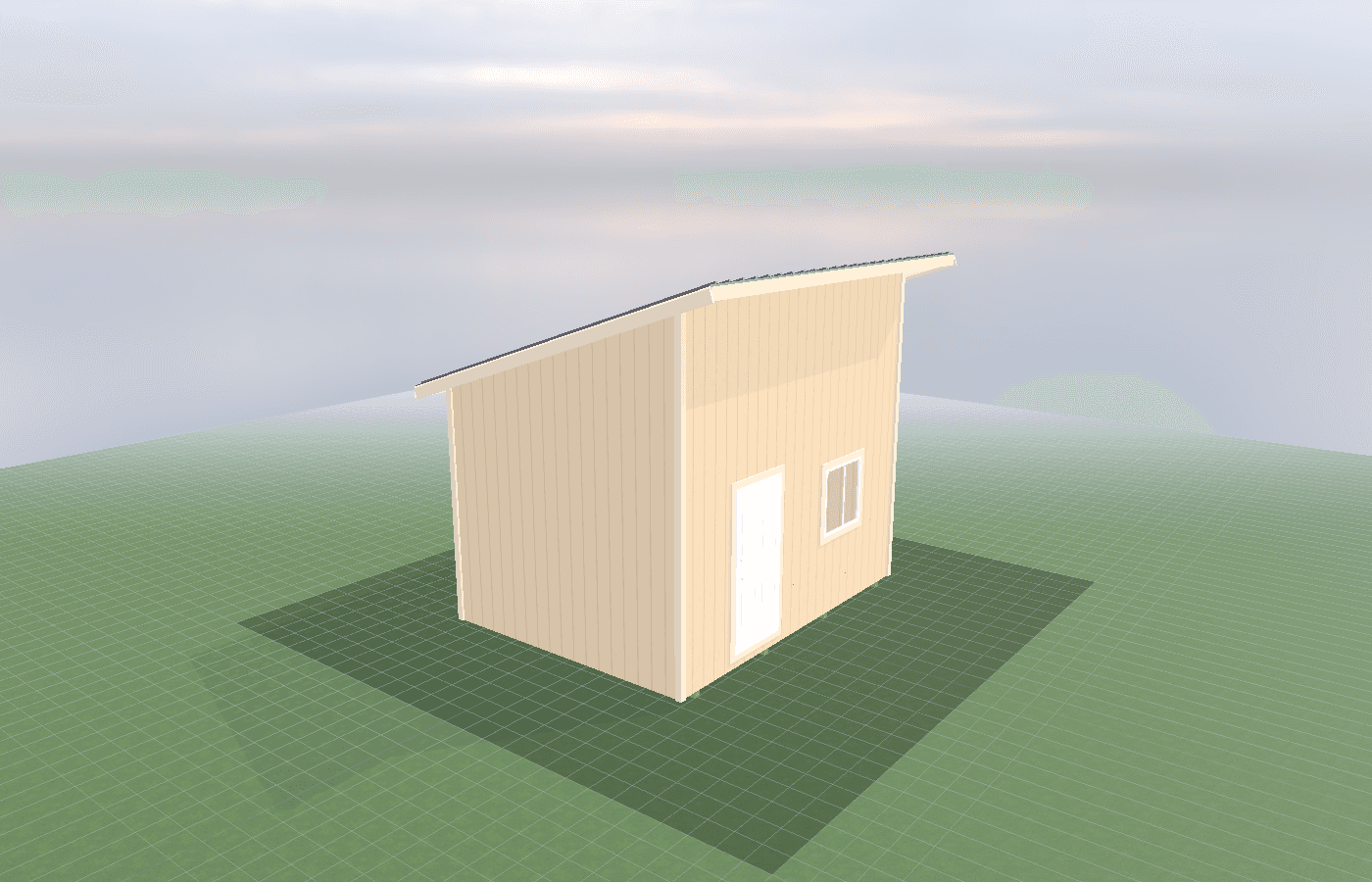
Once lofts, climbing elements, porches, or slides are involved, the roof and play geometry start interacting. A family may want a taller front wall or more dramatic shape for visual appeal, but those moves can create new fall edges, taller snow-catching surfaces, or a doorway placed right under a roof dump line. The safest design is usually the one that keeps the shell simple and puts the energy into durable details.
North Idaho weather and material performance
CPSC's home playground guidance is useful here because it is not just about equipment. It is about the real-world details that keep outdoor kid spaces safer over time. Materials should resist rot, rust, and loosening hardware. Bolts and hooks should not protrude where clothing or skin can catch. Anchoring and maintenance matter because even light backyard structures can become dangerous if they rack, tip, or loosen.
Wood choice matters in North Idaho because repeated wetting and drying is hard on cheap material. Outdoor-rated lumber, durable siding, corrosion-resistant fasteners, and good roof details all buy more useful life. If pressure-treated products are used, the associated hardware needs to be compatible. If exposed wood edges, trim joints, or fastener penetrations are ignored, the building often starts aging at those weak points first.
Surfacing matters whenever the playhouse includes active play features. CPSC guidance for home playgrounds recommends protective surfacing under and around equipment and keeping activity areas separated so a child is not exiting a slide into another moving play element. That does not mean every small playhouse needs a commercial playground field around it, but it does mean families should take fall zones seriously instead of assuming lawn is enough for every layout.
Weather also changes how accessories behave. Slides can ice up. Climbing holds can get slick. Rope and hanging accessories age faster outdoors and can create entanglement problems if they are added casually. Plastic parts can become brittle in deep cold, and CPSC specifically notes that some manufacturers recommend removing plastic swing seats in cold weather. Even if your playhouse is not a full swing set, the lesson is the same: accessories need seasonal judgment.
Sightlines are another safety feature people skip. A playhouse that feels tucked away may also be harder to supervise, harder to keep clear of snow, and easier for roof runoff to bury. A better playhouse location is often one that stays visible from the house, sits on a level drained pad, and leaves enough perimeter room that kids are not squeezing between the structure and a fence every time they play.
Cost, timing, and build-planning factors
The things that move cost on a durable snow-climate playhouse are usually structural and site-related, not cosmetic. Roof framing sized for local loads, a better base, more durable exterior materials, protective surfacing, anchors, and hardware details matter more than novelty trim. Families often spend on the cute part first when the long-term value is really in the shell.
Timing matters because North Idaho weather punishes rushed site work. A playhouse built on poor drainage or soft late-season ground can be harder to keep level and drier long term. The best builds usually account for seasonal access, runoff, and how the roof will shed snow before the first wall is framed. That planning is especially important if the playhouse sits near other structures, gates, or a frequently used winter path.
Local review can also affect the project. In unincorporated Kootenai County, residential storage buildings over 200 square feet typically trigger building permit requirements, while city rules, HOA review, and utility plans can alter the path sooner. Even smaller playhouses still need setbacks, clear placement, and common-sense review if features push them closer to fences or neighboring property. A small footprint does not automatically erase site constraints.
On-site construction is the practical advantage here. It allows the design to respond to grade, tree roots, fence lines, and the sightlines that keep the building both safer and more usable. If you want the shell and yard plan solved together instead of separately, request a free estimate before choosing the exact layout.
Popular sizes and layouts for playhouses
A 6x8 playhouse is usually the best fit when the family wants simplicity, safe supervision, and a structure that stays easy to place in a modest yard. It works well for younger kids and for families who want a straightforward building without added climbing complexity.
An 8x8 is often the sweet spot if the goal is a roomier playhouse with a bench, more real interior use, and enough structure to feel substantial without overwhelming the yard. It is also the point where families start needing to think harder about snow drift, landing space, and the way attached features affect the safety zone around the building.
An 8x10 makes sense when the playhouse is expected to last longer, support siblings more comfortably, or transition later into a reading room or hangout. But the larger the playhouse gets, the more important it becomes to protect the perimeter, simplify attached features, and keep entrances out of roof-slide zones.
If you are also weighing lofts, slides, or climbing upgrades, read playhouse lofts, slides, and climbing features: pros/cons. If your main concern is long-term usefulness as kids age, growing with kids: designing a playhouse that becomes a teen hangout is the next logical planning step. The safest playhouse is usually the one whose limits were decided early.
Frequently asked questions about playhouses
When does shed size start changing snow-load planning for a playhouse in North Idaho?
Once spans get wider and the roof carries more drifting potential, size starts to matter a lot more for truss design, pitch, and door placement. Comparing a 6x8 shed to a 8x8 shed is often the point where structure, overhangs, and site exposure need a closer look. See 6x8 and compare 8x8.
What is the most common mistake people make when planning a playhouse shed?
Underestimating space needs is the most common error. Measure your equipment and add 25-30% for workspace and future growth. In North Idaho, also factor in snow gear and seasonal storage demands. Get a free estimate.
Frequently asked questions
When does shed size start changing snow-load planning for a playhouse in North Idaho?
Once spans get wider and the roof carries more drifting potential, size starts to matter a lot more for truss design, pitch, and door placement. Comparing a 6x8 shed to a 8x8 shed is often the point where structure, overhangs, and site exposure need a closer look. See 6x8 and compare 8x8.
What is the most common mistake people make when planning a playhouse shed?
Underestimating space needs is the most common error. Measure your equipment and add 25-30% for workspace and future growth. In North Idaho, also factor in snow gear and seasonal storage demands. Get a free estimate.
Ready to plan your build?
Tell us your site, your dimensions, and the use case. We'll come out and price it.