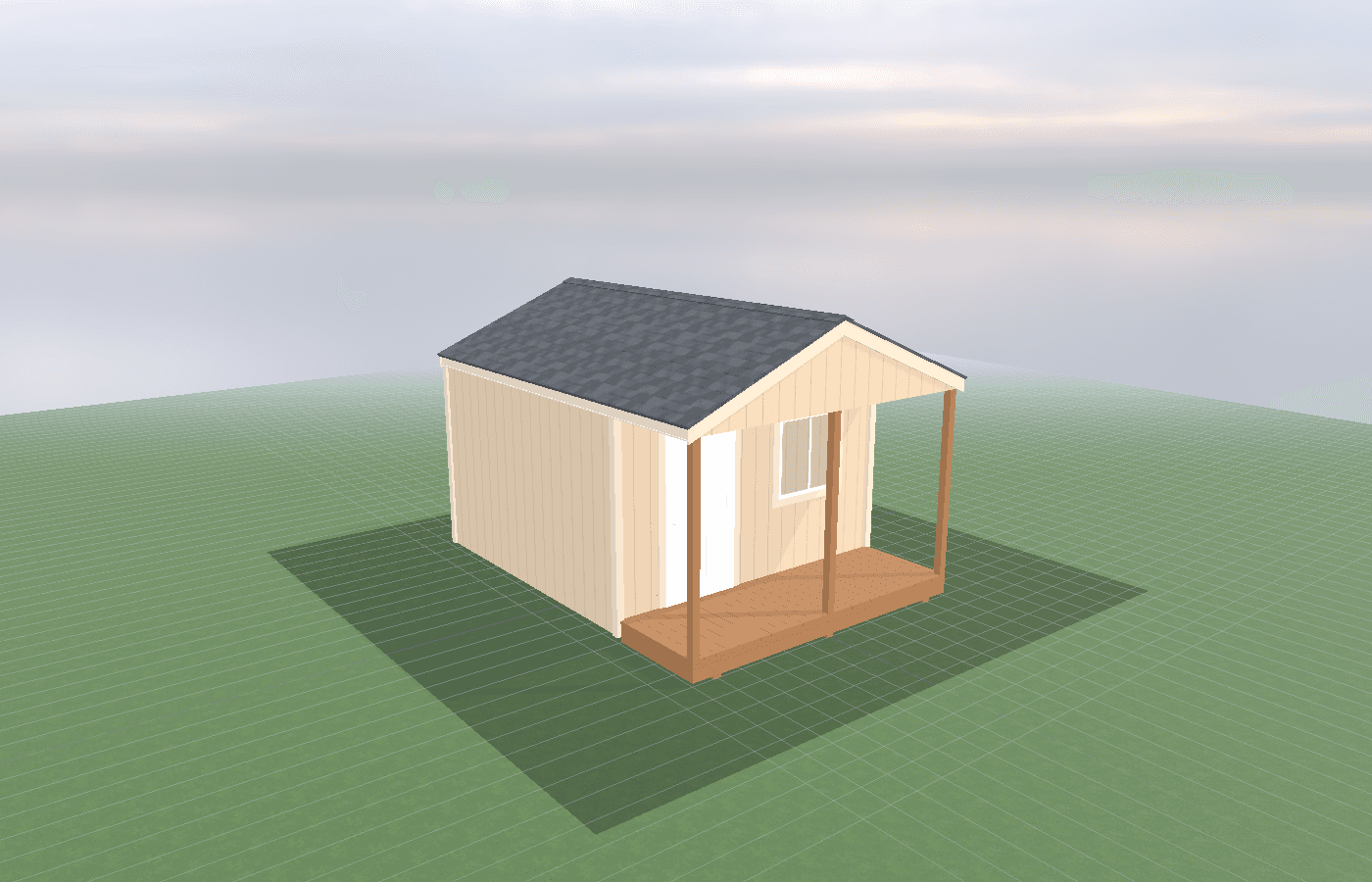
Small tuning room layouts: bench depth, storage, and lighting
Small tuning rooms work when the long wall does the heavy lifting. In North Idaho, the most effective compact wax rooms protect one serious bench, one drying posture, and enough light that edge work and wax cleanup still feel easy in winter.
Small Tuning Room Layouts in North Idaho
Small tuning rooms do not fail because they are small. They fail because they try to make every wall do every job. One room wants to be a wax bench, ski rack, boot dryer, gear closet, and winter mud room all at once, and the owner is left wondering why the space always feels cluttered and dim.
The better approach is to decide what the room is first. For a serious ski tuning shed, that usually means one primary bench wall, one controlled drying area, and storage that supports those two priorities instead of competing with them.
This matters in North Idaho because the room is used hardest in winter, when the user is carrying in wet gear, scraping wax, brushing edges, and trying to work in a warm coat or base layers after dark. In compact rooms, layout mistakes become magnified. Bad lighting, shallow counters, or badly placed storage make the whole room feel smaller than it is.
In colder markets like Silver Valley, a small but disciplined tuning room is often better than a slightly larger room with no clear plan. The right wall, the right bench depth, and the right lighting direction do more for usability than random extra square footage.
What size ski tuning shed gives you enough usable room?
An 8x12 is a realistic compact tuning-room size because it can support one true bench wall and still leave space for a narrow drying or gear-storage zone. It is small, but it can work beautifully if the room does not try to do too much.
A 10x12 is often the best small-room size because it gives more comfortable bench clearance, allows more forgiving storage above or beyond the bench, and makes it easier to light the work surface evenly. Many homeowners find this is the smallest size that feels like a room rather than a narrow utility closet.
A 10x16 gives the layout more options. The room can support a stronger split between the clean tuning side and the wetter gear side, and the bench wall can be more generous without devouring the whole aisle.
A 12x16 is usually where the room stops feeling small in practice. It supports a more comfortable family setup or a more serious tuning routine with better circulation, more skis, and more storage categories.
The right size is the one that still works after the bench, vise mounts, ski storage, and lighting are in place. If the room technically fits the bench but leaves no safe standing zone and no place for wet gear to go, it is too small for the way you want to use it.
Best layouts and features for ski tuning sheds
Put the bench on the longest uninterrupted wall
The bench is the backbone of the room. It should normally sit on the longest usable wall, where the user can mount vises, keep tools overhead, and work with skis or boards lengthwise without fighting the rest of the room. This is almost always stronger than trying to break the bench across two shorter walls or tuck it into a corner.
Long uninterrupted wall length matters more than decorative cabinetry. Once upper storage projects too far into the work zone or the bench gets fragmented by badly placed shelves, the tuning room becomes harder to use immediately.
Bench depth should match the task, not just the lumber
One common mistake is building the bench too shallow to hold tools and support the work, or too deep for the aisle behind the user. Compact tuning rooms need a bench that is deep enough for vises, irons, scrapers, brushes, and tool staging, but not so deep that the room loses its only comfortable standing lane.
This is where small rooms benefit from restraint. A modest bench with a better wall rack and stronger lighting is usually more useful than an oversized bench that forces the rest of the room into a squeeze.
Lighting should come from more than one source
Tuning work is detail work. You need to see edge burrs, wax residue, base scratches, and small hardware clearly. One central overhead fixture is rarely enough in a small room because the user's own body creates shadows on the bench.
Good small tuning rooms use layered light: general overhead light for the whole room and stronger task light focused at the bench. That is one reason small rooms can still feel premium when the planning is right. Bright, even light makes the room feel larger and more precise.
Drying gear needs a defined edge of the room
Compact tuning rooms usually also manage some wet gear, but that gear should not take over the bench. Gloves, liners, helmets, and jackets need their own position near the door or on the opposite wall. That keeps the work surface cleaner and helps the room dry more predictably.
This is why ski gear drying: preventing stink and mold all winter belongs in the same planning cluster. Small-room success depends on where the wettest gear lives when it comes in from the mountain.
Ventilation still has to fit the layout
Small tuning rooms can feel great or awful depending on airflow. Waxing fumes, cleaner vapors, and brushing dust all matter more in a compact footprint, which is why ski waxing ventilation and fumes: what to plan for is the natural companion page to this one.
In layout terms, that means avoiding plans where the bench is trapped in a dead corner with no clean airflow path. If the room is too compact for even basic ventilation support, the layout needs to change before the finishes go in.
Cost, timing, and build-planning factors
Small tuning rooms are not automatically cheap. The space may be modest, but it is detail-heavy. Bench backing, quality lighting, smart storage, and climate control all matter more because there is so little room for bad decisions.
Timing matters because bench position, light placement, and the drying wall should all be decided before the shell is finished. Once the wiring and backing are in the wrong place, homeowners often start compromising around them instead of building the cleanest possible layout.
North Idaho structural factors still frame the project. Even a small tuning room still needs a shell designed for the parcel's snow load and a base that works in freeze-thaw conditions. The room's small size does not reduce the need for honest weather-ready construction.
Local review also remains part of the process. Kootenai County's current building page and Shoshone County's current permit package both make it clear that detached structures with real scope or utilities should be treated like real builds, not casual afterthoughts. If the room is approaching or exceeding 200 square feet, or if it wants more electrical scope, plan accordingly.
If you want a compact room that still feels deliberate and easy to use, request a free estimate before deciding where the bench and storage go. Small rooms reward early precision.
It also helps to sketch the room in its worst-case condition, not its cleanest one. Put the skis on the wall, add the boot bags, open the drawers, and imagine the user standing at the bench in a winter jacket. If the aisle still works in that version of the room, the layout is probably honest.
Popular sizes and layouts for ski tuning sheds
An 8x12 works best as a compact one-bench room with very disciplined overhead storage and a modest drying posture. It is an efficient footprint for one serious user or a small household.
A 10x12 is often the best "small but complete" size because it improves the aisle, allows a better bench-plus-storage relationship, and makes the lighting plan much easier to execute cleanly.
A 10x16 works well when the owner wants a stronger split between tuning and drying or enough room for multiple pairs of skis and boards without crowding the bench. It is the small-room layout that starts feeling forgiving.
A 12x16 is the better option when family gear load or comfort expectations are higher. It preserves the same layout logic but gives each zone more breathing room.
The best small tuning room is the one that protects one serious work wall and keeps everything else in service of it. If the bench stays usable even in the middle of the season, the layout is doing its job.
Frequently asked questions about small tuning room layouts
What size ski tuning shed works best for small tuning room layouts: bench depth, storage, and lighting?
For many North Idaho buyers, 8x12 and 10x12 are the best starting sizes because they balance usable floor space with realistic placement on the property. We then size up or down based on snow load, storage volume, and how much dedicated work or seating area you need. Compare 8x12 and see 10x12.
What layout works best for a small ski tuning room shed?
Mount vises on a bench along the longest wall. Store wax, tools, and edges in a wall rack above. Keep a boot dryer area near the door. A 6x8 or 8x10 handles one to two benches. See ski tuning options.
Frequently asked questions
What size ski tuning shed works best for small tuning room layouts: bench depth, storage, and lighting?
For many North Idaho buyers, 8x12 and 10x12 are the best starting sizes because they balance usable floor space with realistic placement on the property. We then size up or down based on snow load, storage volume, and how much dedicated work or seating area you need. Compare 8x12 and see 10x12.
What layout works best for a small ski tuning room shed?
Mount vises on a bench along the longest wall. Store wax, tools, and edges in a wall rack above. Keep a boot dryer area near the door. A 6x8 or 8x10 handles one to two benches. See ski tuning options.
Ready to plan your build?
Tell us your site, your dimensions, and the use case. We'll come out and price it.