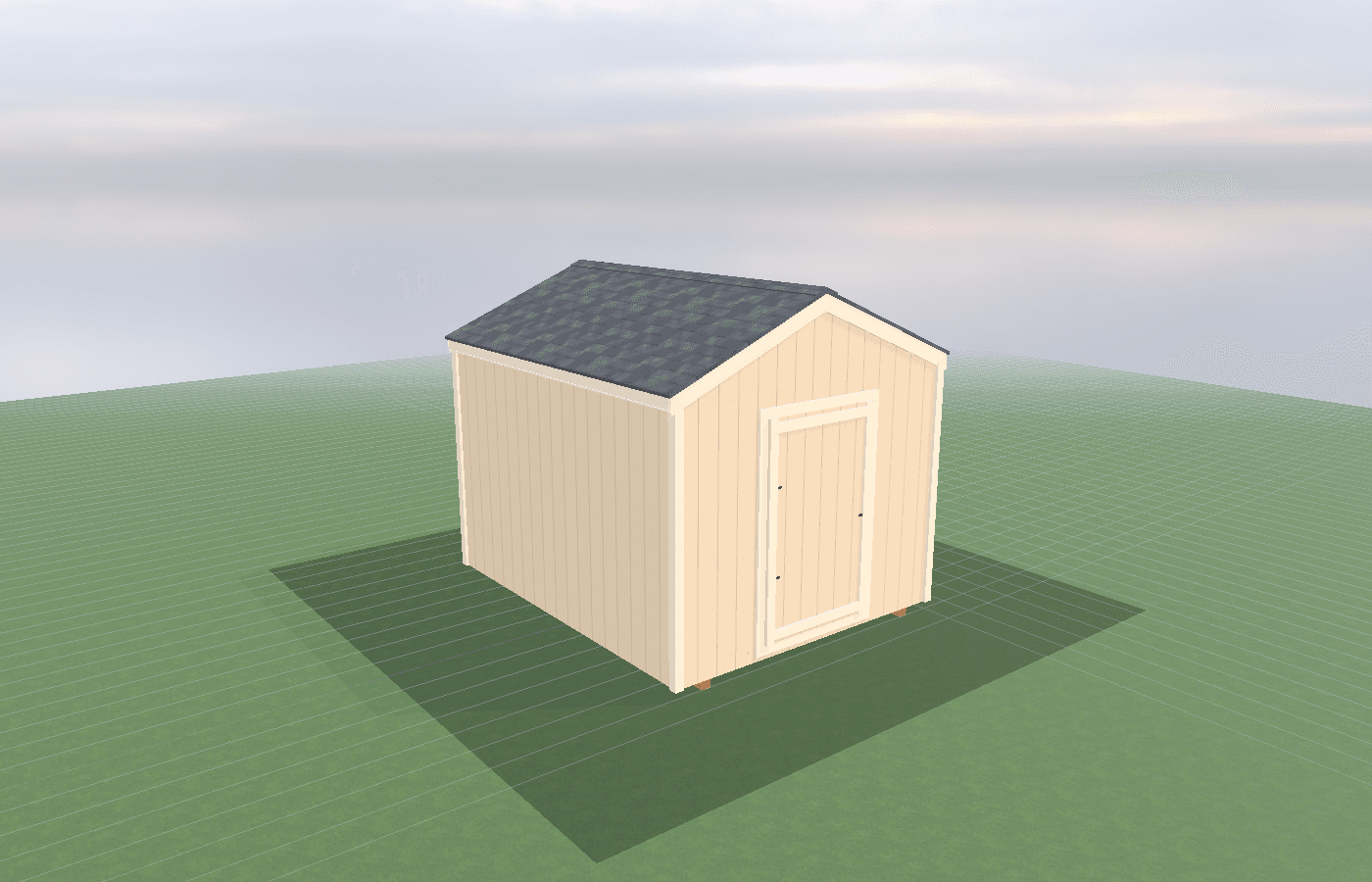
Temperature and batteries: how cold affects charging/storage
Cold weather does not make an e-bike battery unusable, but it does change where and how charging should happen. In North Idaho, the best shed layouts make it easy to warm the battery, charge with the right equipment, and keep wet riding gear away from the charging routine.
Temperature and Batteries in North Idaho
An e-bike battery room in North Idaho has to solve a very specific problem: the bike often comes home cold, wet, and muddy right when the owner wants to plug it in immediately. That is exactly where a lot of avoidable battery mistakes happen. A purpose-built e-bike charging shed should make the safe routine easy instead of relying on perfect discipline after a winter ride.
Current manufacturer and consumer-safety guidance is consistent on the basics. Bosch's current battery care guidance says to use the original charger, charge in a dry area with a working smoke detector, charge at room temperature if possible, and store the battery in a dry room away from flammable or combustible objects. Bosch also notes that its battery management system only allows charging within a defined temperature window and specifically recommends charging and storing the battery at room temperature during winter. CPSC's current micromobility charging PSA adds the same consumer rules from the safety side: use the supplied charger, use approved replacement batteries, stay present while charging, and never charge while sleeping.
Those rules matter even more in a place like Athol, where bikes may move between snowy outdoor use, unheated garages, and shoulder-season mud without much transition time. Cold batteries are not just a winter nuisance. They shape how the room should be organized. The smartest layout creates a landing zone where the bike can come in wet, the battery can come off, and the charging process can begin only after the coldest part of the equipment has had a chance to stabilize.
That is also why charging should be treated as a room-planning issue, not just an electrical issue. If you already read our guide on e-bike charging at home: space planning, outlets, and cable management, the next step is to design the footprint so the charger, battery shelf, cleanup path, and winter storage routine all work together. Temperature control is not only about adding heat. It is about keeping charging calm, dry, visible, and repeatable.
What size e-bike shed gives you enough usable room?
An 8x10 is the smallest honest footprint for a dedicated battery-first e-bike room. It can work well for one or two bikes if the layout is disciplined and the charging wall is treated as a true station instead of leftover space. In this size, you need one wall for parked bikes, one narrow bench or shelf for battery handling, and a clear path that does not require stepping over chargers or hanging gear.
An 8x12 is the more forgiving size for most North Idaho households. It gives enough extra length to keep the bike drop-off area separate from the calm charging zone. That matters in winter because wet tires, slushy mats, and muddy fenders should not share the same small footprint as chargers, battery shelves, and any climate-control equipment. For many homeowners, 8x12 is where the room starts to feel intentionally planned instead of merely adequate.
A 10x12 works better if the shed needs to combine battery handling with real maintenance, family bike storage, or a stronger split between the dirty entry side and the protected charging side. The added width makes it much easier to keep cords short, preserve walking room, and create a shelf or cabinet where batteries can reach a stable room temperature before charging.
The right size is the one that still works safely after the room is full. If the charger only works when cords stretch across the walkway or when cold batteries are dropped on the same surface where muddy gear is piled, the room is undersized no matter how nicely it looked when empty.
Best layouts and features for e-bike sheds
The best e-bike charging sheds are organized around a staged routine. First comes the arrival zone. This is where the bike lands, the wettest outer mess gets contained, and the battery can be removed without crowding the charging area. A rubber mat, easy-clean floor finish, and nearby hooks for helmets or rain layers keep the slop from spreading deeper into the room.
Next comes the battery handling zone. This should be a dry, visible surface, ideally near dedicated outlets but not jammed against the wet-bike side. A shelf or counter at comfortable working height makes it easier to inspect the battery, confirm the charger, and connect everything without rushing. In North Idaho, that intermediate shelf matters because the battery may need time to come closer to room temperature before charging begins.
A third zone is the long-term storage wall. This is where the room protects the battery and the bike from both cold-weather neglect and summer overheating. Avoid building a layout that puts the battery beside solvents, gasoline cans, oily rags, or other combustible clutter. Bosch's current storage guidance specifically says to keep the battery away from flammable objects and in a room with a working smoke detector, which means the room should support order, not improvisation.
Security still belongs in the conversation because the best battery routine fails if the owner moves chargers and batteries around the property out of convenience or fear. That is why the charging plan should work with the placement strategy described in security for high-value bikes: design and placement tips. The easier it is to charge safely inside a secure shed, the less likely the system gets scattered between the house, garage, and mudroom.
Useful upgrade choices usually include insulation, a small heater or mini-split strategy sized for the room, a smoke detector, dedicated outlets, cable management, and a bench deep enough to be practical without stealing the whole aisle. Fancy finishes matter less than a layout that keeps moisture, clutter, and rushed charging decisions away from the battery shelf.
Cost, timing, and build-planning factors
Most of the cost drivers on this type of shed come from systems and envelope choices rather than from the charging hardware itself. Once a room is expected to stay drier, warmer, and more stable than a basic storage shed, insulation, air sealing, electrical planning, and finish durability become much more important. The battery guidance is simple; the room that makes following it easy is where the real planning work happens.
Build timing in North Idaho is also shaped by site conditions. Snow, mud season, and frozen access routes can all change how quickly a project can be staged and finished. That is especially true on rural or semi-rural properties where the shed pad, trenching, and power plan need to be coordinated before the structure is installed. A good design pass catches those access and electrical issues before the charger location is locked in on paper.
Placement matters too. Kootenai County's building division notes that permit needs depend on the project type, square footage, and whether the structure is in county jurisdiction or inside city limits. Even when the room is conceptually simple, the real build still has to fit setbacks, grade, drainage, power routing, and winter access. If you want the battery shelf, climate-control options, and parking lane planned together from the start, it is smarter to request a free estimate before the pad and power are treated as separate decisions.
The most economical build is usually the one that avoids rework. It costs less to place outlets, heating strategy, and storage surfaces correctly during the initial build than to retrofit a too-small room after one winter of awkward charging habits.
Popular sizes and layouts for e-bike sheds
An 8x10 works best when the room is primarily about one or two bikes, a compact charging bench, and a disciplined winter routine. It can be excellent if the room stays uncluttered and the charging wall is protected from the wet entry path.
An 8x12 is often the strongest all-around choice because it creates a more believable split between arrival space and the calmer charging/storage side. For many households, this is the size where the room becomes comfortable enough to use correctly every day.
A 10x12 is the better layout when the owner wants more elbow room, a stronger maintenance lane, or more family-bike overlap without compromising the battery routine. It gives the room enough tolerance for real life, which is often the difference between a safe charging system and an eventually messy one.
The best layout is the one that makes the right battery routine the default routine. If the bike can come in cold, the battery can be handled dry and calmly, and the charger can be used with clear sightlines and no cord chaos, the room is doing exactly what it should.
Frequently asked questions about temperature and batteries
What size e-bike shed works best for temperature and batteries: how cold affects charging/storage?
For many North Idaho buyers, 8x10 and 8x12 are the best starting sizes because they balance usable floor space with realistic placement on the property. We then size up or down based on snow load, storage volume, and how much dedicated work or seating area you need. Compare 8x10 and see 8x12.
What climate control does a e-bike charging shed need in North Idaho?
At minimum, insulate to R-19 walls and R-38 ceiling for year-round use. A mini-split heat pump handles heating and cooling efficiently. Add ventilation specific to your use case. Get a free estimate.
Frequently asked questions
What size e-bike shed works best for temperature and batteries: how cold affects charging/storage?
For many North Idaho buyers, 8x10 and 8x12 are the best starting sizes because they balance usable floor space with realistic placement on the property. We then size up or down based on snow load, storage volume, and how much dedicated work or seating area you need. Compare 8x10 and see 8x12.
What climate control does a e-bike charging shed need in North Idaho?
At minimum, insulate to R-19 walls and R-38 ceiling for year-round use. A mini-split heat pump handles heating and cooling efficiently. Add ventilation specific to your use case. Get a free estimate.
Ready to plan your build?
Tell us your site, your dimensions, and the use case. We'll come out and price it.