UTV shed sizing: common side-by-side dimensions and clearance planning
A UTV shed works when it is sized around the real machine envelope, not just the catalog length on the hood. In North Idaho, side-by-side storage has to account for width, tire clearance, door opening, mud-season cleanup, and whether the machine arrives under its own power or on a trailer. Because NIOS builds on-site, the shed can be sized around your actual UTV, your lot setbacks, and your snow-country access path instead of around delivery limits.
UTV Shed Sizing Common in North Idaho
UTV sizing gets tricky because owners usually measure the machine and forget the machine's lifestyle. Tires get bigger. Mirrors, racks, light bars, and snow blades change the envelope. Crew models add a lot of length. Trailers add another whole layer of clearance planning. A shed that fits the stock machine on day one may feel undersized the first time you back in with muddy tires, a loaded cargo bed, and three helmets to unload around it.
The best way to plan a UTV shed is to size for the real operating envelope:
- Measure overall machine length and width in ready-to-store condition.
- Add the accessories that stay on the machine most of the season.
- Decide whether the machine drives in, backs in, or arrives on a trailer.
- Add side clearance for opening the door, stepping off, and handling gear.
- Reserve floor or wall space for helmets, tires, tools, chargers, and wash-down items.
Current manufacturer specs show why this matters. Polaris lists the 2025 Ranger XP 1000 at about 120 inches long and 62.5 inches wide. Yamaha lists the Wolverine RMAX2 1000 at 119.3 inches long and 66.1 inches wide. Can-Am's 2025 Defender MAX X mr runs much longer at 159 inches by 65 inches. In other words, "UTV" covers everything from compact two-seat recreation machines to much longer crew and work-oriented rigs.
That spread is exactly why on-site construction matters. A delivered prefab is forced to fit transport limits first. A ATV and UTV shed built on-site can be sized around your actual machine, your lane, and your winter approach path in places like Silver Valley, where muddy spring access and snow-season staging both matter. It also pairs naturally with mud management: floors and wash-friendly finishes for powersports sheds and storage layout for helmets, tires, and tools, because the machine bay only works if the support gear has a home too.
What size atv and utv shed do you need?
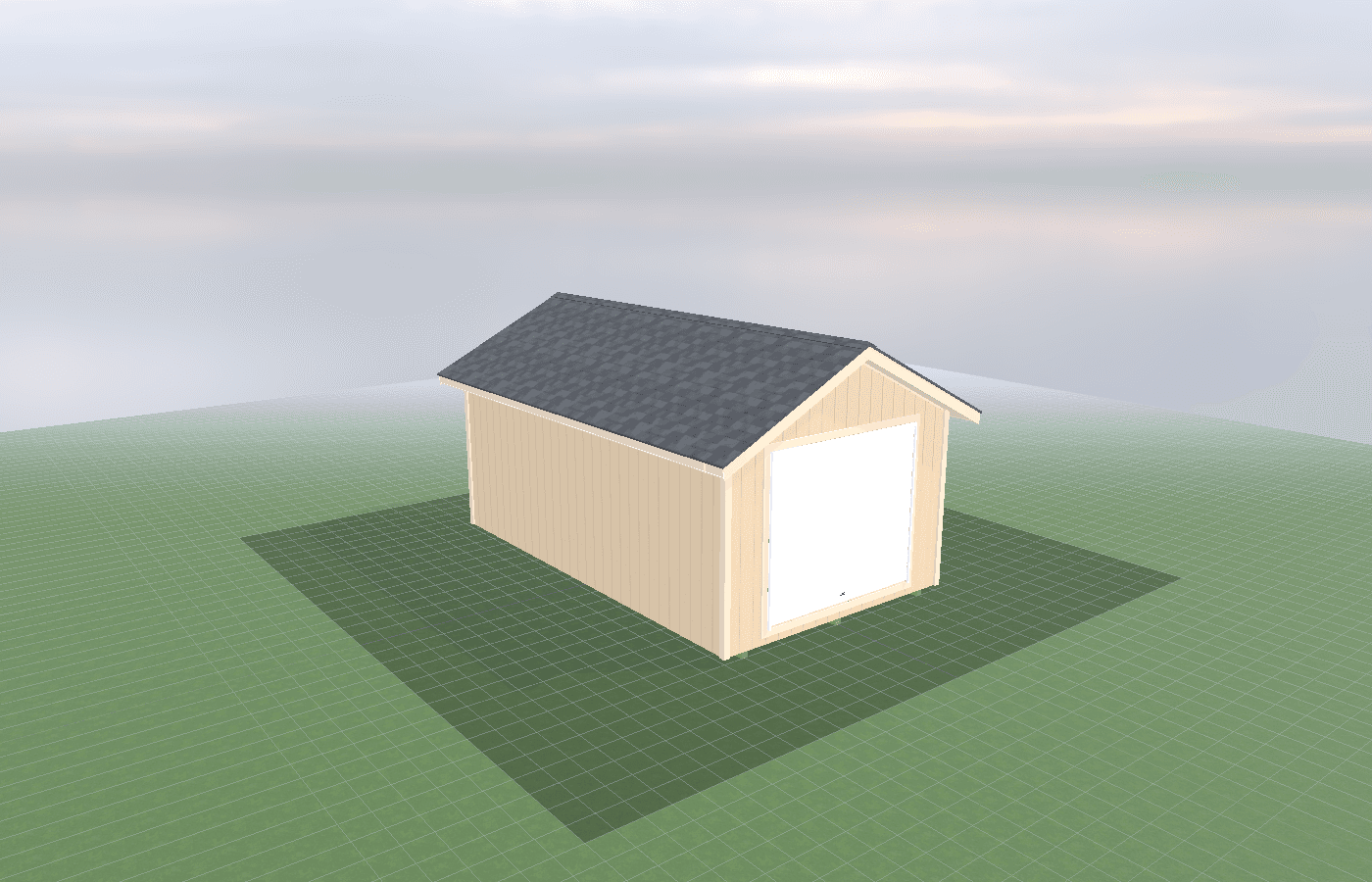
A 10x16 is the minimum honest starting point for many single-UTV owners. It can work well for a compact or mid-size machine that drives straight in, with a modest side storage strategy and disciplined wall use. If the machine is wider, longer, or regularly parked with attachments, 10x16 can still work, but the layout has to be very deliberate.
A 12x20 is the best all-around starting point for many North Idaho buyers. It gives enough room for a full-size side-by-side plus a real unload zone for helmets, boots, and tools. It also makes mud-season cleanup easier because the machine does not have to park inches from every wall.
A 12x24 makes sense when the machine is longer, the owner wants more repair space, or the shed must also hold seasonal tires, fluids, a compressor, or gear storage. This is often the size where a one-machine shed starts feeling comfortable rather than just technically sufficient.
A 14x24 is the better answer for larger crew models, mixed ATV-and-UTV storage, or owners who want enough extra room to stage a snow blade, spare wheels, or a workbench without choking the machine lane. It is also easier to keep clean because circulation stays usable even after the support gear arrives.
The simplest sizing rule is this: measure the machine, then add the human tasks around the machine. If the shed can only store the UTV but cannot unload it, clean it, or walk around it, it is too small in practice.
Best layouts and features for atv and utv sheds
The strongest UTV layouts usually follow five rules.
- Protect the machine lane first. The center or dominant side of the room should stay clear for the machine path, not gradually fill with bins and spare parts.
- Choose the door from the machine outward. A wider machine or a machine with plow hardware may need more opening tolerance than a stock brochure number suggests.
- Keep heavy support items low. Spare tires, fluids, toolboxes, and wash gear should stay on stable lower storage, not high shelves.
- Separate wet cleanup from clean storage. Mud and slush should not migrate into helmet storage, chargers, or spare clothing.
- Plan for the next machine, not just the current one. Many owners add accessories or upgrade rigs before the shed has aged much at all.
Door planning matters more than many owners expect. A single machine that is 62 to 66 inches wide can still feel awkward if the opening is too tight for confident alignment, mirrors, or plow edges. The larger the tire package and the more irregular the approach, the more valuable a forgiving opening becomes.
Access outside the shed matters too. The threshold, apron, and approach lane should support muddy tires in spring and packed snow in winter. If the machine has to climb a sharp lip or dodge a drainage rut to reach the opening, the shed will never feel as convenient as it should.
Inside the room, keep the machine and the gear from competing. Store helmets, goggles, chargers, and tools where they can be reached without blocking the machine path. This is where the organization strategy from storage layout for helmets, tires, and tools really pays off. The room should let you step off the machine, unload, and shut the door without a full rearrangement every ride.
If the shed will see regular wash-down or slush, treat the floor and lower wall like working surfaces, not like finished interior décor. The mud-management decisions from mud management: floors and wash-friendly finishes for powersports sheds belong in the sizing conversation because cleanup room is part of the spatial requirement, not an afterthought.
Cost, timing, and build-planning factors
UTV sheds move in price when the owner adds the features the machine honestly needs: larger openings, stronger apron prep, more forgiving interior space, and better floor resilience. Those upgrades usually matter more than cosmetic finish packages because they directly affect whether the building is easy to use after a wet trail day or a snowy plow run.
Timing matters because access, setbacks, and snow storage all constrain where a UTV shed can sit. Setback rules vary by county and parcel, and the buildable envelope can shrink quickly once drive lanes, drainage, and snow-stacking areas are shown honestly. That is why site-specific permitting and placement questions should be addressed before the footprint is fixed. North Idaho properties are not one-rule-fits-all, even when neighbors seem to have similar lots.
The machine size also changes the approach to future use. If the owner may move from a two-seat machine to a crew model, or may start storing a second unit or trailer, it is often cheaper to right-size the opening and the bay now than to rebuild the front wall later. On-site construction helps because the shell can be matched to the actual lot and likely upgrade path instead of being frozen at a delivery-limited size.
If you want the building, approach lane, and machine-clearance plan scoped around your real side-by-side instead of a generic guess, get a free estimate before the opening and pad are set.
Popular sizes and layouts for atv and utv sheds
For many side-by-side owners, the most useful comparison sizes are 10x16, 12x20, 12x24, and 14x24.
A 10x16 works when the machine is single, the accessories are modest, and the support gear stays organized on the wall. It is the entry point for a disciplined one-machine shed.
A 12x20 is the strongest general-purpose answer. It supports one UTV, real unload space, and a support wall without making every maneuver feel tight.
A 12x24 is the comfort upgrade for longer rigs, more gear, or owners who want to service and store in the same building.
A 14x24 is the better fit for crew models, plow-equipped machines, or mixed powersports storage where flexibility matters more than just the minimum machine footprint.
The best layout keeps the machine lane clear, the gear zones logical, and the opening generous enough that muddy or snowy storage never becomes a precision-parking exercise.
Frequently asked questions about utv shed sizing common
What size atv and utv shed works best for utv shed sizing: common side-by-side dimensions and clearance planning?
For many North Idaho buyers, 10x16 and 12x20 are the best starting sizes because they balance usable floor space with realistic placement on the property. We then size up or down based on snow load, storage volume, and how much dedicated work or seating area you need. Compare 10x16 and see 12x20.
What setback rules affect storage shed placement in North Idaho for my property?
Setback requirements vary by county. Kootenai County typically requires 5 ft from side property lines and 10 ft from rear. Check your specific lot before choosing a shed size, since setbacks directly limit your footprint options. See permit details.
Frequently asked questions
What size atv and utv shed works best for utv shed sizing: common side-by-side dimensions and clearance planning?
For many North Idaho buyers, 10x16 and 12x20 are the best starting sizes because they balance usable floor space with realistic placement on the property. We then size up or down based on snow load, storage volume, and how much dedicated work or seating area you need. Compare 10x16 and see 12x20.
What setback rules affect storage shed placement in North Idaho for my property?
Setback requirements vary by county. Kootenai County typically requires 5 ft from side property lines and 10 ft from rear. Check your specific lot before choosing a shed size, since setbacks directly limit your footprint options. See permit details.
Ready to plan your build?
Tell us your site, your dimensions, and the use case. We'll come out and price it.