Shed Building Materials for North Idaho
Shed materials matter more in North Idaho than they do in mild climates. Snow load, moisture, finish maintenance, and long-term durability all change depending on what the building is made from.
Why Material Choice Matters in North Idaho
Material choice affects far more than the way a shed looks on day one. In North Idaho, it shapes how the building handles wet snow, freeze-thaw cycles, roof runoff, summer sun, and long-term maintenance. A shed that works fine in a milder climate can age very differently once it is sitting through real winters in Athol, Coeur d'Alene, Hayden, Sandpoint, or the rural county areas around them.
That is why we treat materials as part of the build strategy, not just the exterior finish list. The right answer depends on the shed's job, the lot, the amount of customization you want, and how much future maintenance you are comfortable taking on. If you are early in the process, this hub pairs well with pricing, process, and free estimate.
Material choice also affects how easy the shed is to repair, modify, and keep looking right over time. In snow country, you are not only thinking about siding appearance. You are thinking about trim durability, fastener performance, finish touch-ups, moisture management, and how the whole exterior assembly behaves through repeated seasons. That bigger-picture view is what keeps the material conversation practical instead of purely cosmetic.
The Main Shed Material Categories We Compare
For most projects, the material conversation comes down to four buckets: wood, metal, vinyl, and composite. Each one has a place, but they do not all fit the same kind of shed equally well.
Wood is usually the strongest all-around answer for custom North Idaho sheds because it supports structural flexibility, easier customization, and a more site-specific build. Metal can still make sense for simpler, more utilitarian structures where the owner understands the tradeoffs around condensation, denting, and finish limitations. Vinyl is usually attractive for perceived lower maintenance, but it comes with more limitations in cold-weather durability, appearance control, and modification flexibility. Composite materials are a newer conversation and often fit best as part of a broader assembly rather than as a magic replacement for every other material.
If you want the short version, our wood vs metal vs vinyl comparison explains why the same answer does not fit every project. The deeper pages here explain where each material performs well and where it starts to become a compromise.
Another reason to compare the categories carefully is that the marketing language around materials is often too broad. "Low maintenance" does not mean no maintenance. "Weather resistant" does not mean equally easy to customize, repair, or match to a house or HOA requirement. A good material decision should account for how the building will actually be built, finished, and used on your lot, not just how the brochure describes the product family.
How To Choose the Right Material for Your Project
Start with use, not with the brochure. A storage shed, workshop, detached office, garage-style building, and HOA-visible backyard structure all ask different things from the exterior and structure. The next filter is the property itself. Snow exposure, mud season, driveway access, neighborhood appearance standards, and future plans all influence which material will feel smartest five years from now.
That is why we usually recommend choosing materials in this order:
- Define the shed's real job.
- Decide how much customization and future flexibility matter.
- Match the material to the climate and maintenance expectations.
- Compare the finish path, appearance goals, and budget.
If the shed needs to be highly customizable and built for the lot, wood is often the right place to start. If the shed will stay simpler and more commodity-like, metal or vinyl may still deserve consideration. If you are curious about where newer engineered products fit, composite helps frame that conversation.
It also helps to think about ownership horizon. If this is a quick utility structure, the answer may be different from a shed you expect to keep for many years as part of the property's overall look and function. The more the project needs customization, repairability, future upgrades, or close coordination with features like doors, windows, and custom paint or stain, the more important it becomes to choose a material path that works with those goals instead of fighting them.
Frequently Asked Questions About Shed Materials
What shed material works best in North Idaho?
For most custom projects, wood is the best overall answer because it balances structure, customization, finish flexibility, and weather-aware building more effectively than more standardized options.
Are metal and vinyl bad choices for every shed?
No. They still have use cases, especially on simpler buildings, but they usually become less attractive as the project gets more customized or more weather-sensitive.
Is composite replacing wood for sheds?
Not really. Composite products are useful in certain roles, but they are usually part of the assembly conversation rather than a full replacement for wood-framed custom building.
What should I compare next after reading this page?
Read the individual wood, metal, vinyl, and composite pages, then compare those tradeoffs against your budget on pricing.
Frequently asked questions
Which shed material do you recommend most often in North Idaho?
Wood is the material direction we recommend most often because it supports stronger customization, stronger framing choices, and better adaptation to local weather.
Why does material choice matter more in North Idaho?
Snow load, moisture, freeze-thaw cycles, and long-term exterior maintenance all put more pressure on the material package in North Idaho than they do in milder climates.
Can metal or vinyl still make sense for some projects?
Yes. Metal and vinyl can still fit simpler or more standardized storage projects when the owner understands the tradeoffs.
Where should I start if I am still comparing materials?
Start by deciding how you want to use the shed, then compare wood, metal, vinyl, and composite against the local climate, appearance goals, and maintenance expectations.
Have a question we didn't cover?
Reach out and we'll answer same-day.
Planning paths
Browse Material Pages
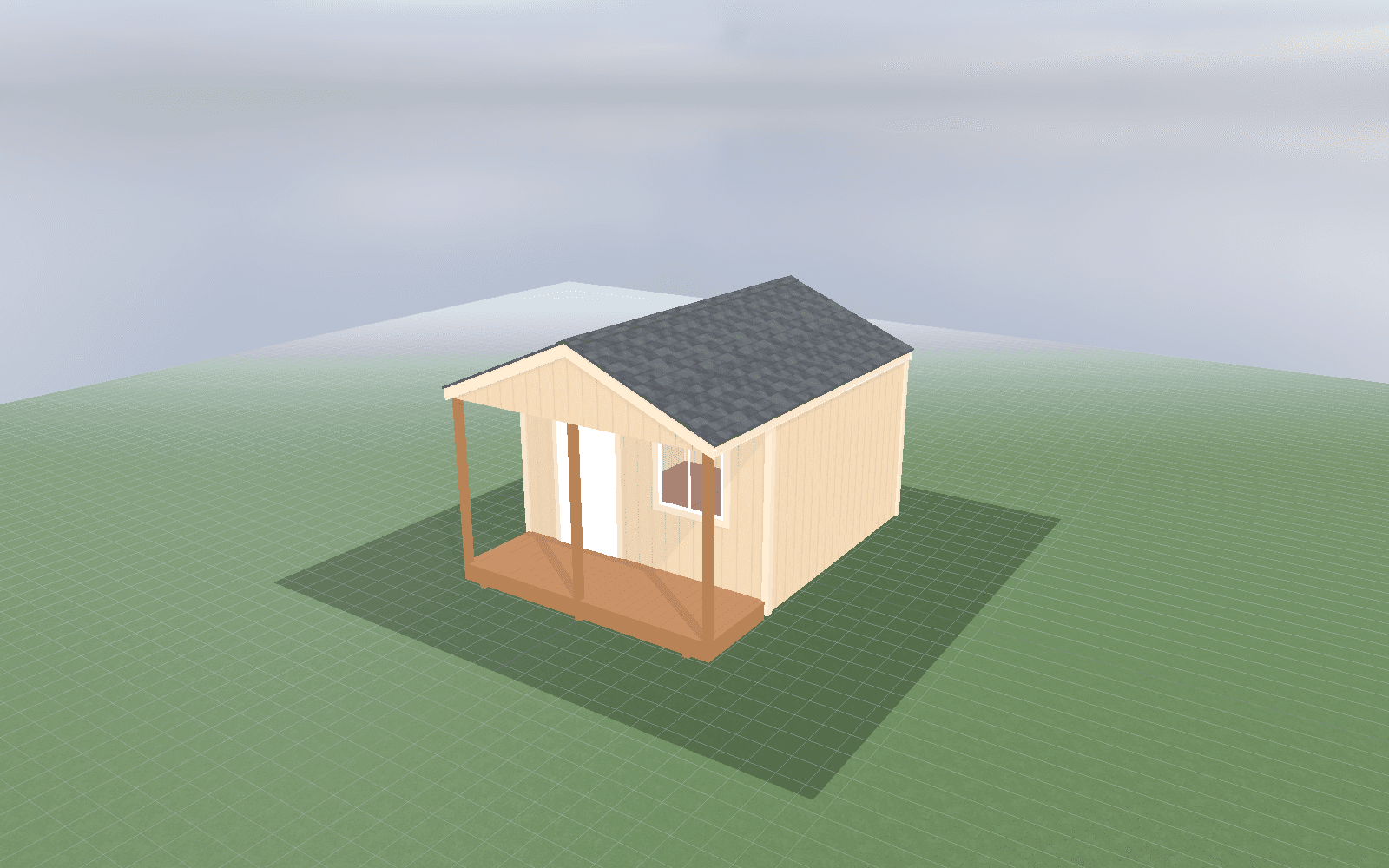
Materials — Wood
Everything about wood shed construction in North Idaho. Cedar, pine, and engineered wood options rated for snow, moisture, and durability in our climate.
Open guide
Materials — Metal
Metal and steel shed options for North Idaho properties. Galvanized panels, insulation needs, rust prevention, and snow load ratings for our local climate.
Open guide
Materials — Vinyl
Vinyl shed siding options for North Idaho homeowners. Pros, cons, and cold-weather performance of vinyl construction in our harsh freeze-thaw climate.
Open guide
Materials — Composite
Composite shed materials engineered for North Idaho weather. Siding and trim that resist rot, insects, and moisture in our mountain environment explained.
Open guide