Composite Shed Materials for North Idaho
Topic
Materials
Builder path
Apply the decision
Built on site
Property-aware
Content
Payload editable
Detail planning
Use this materials page to make a shed decision
Section
Route
FAQ support
- Use the page to clarify one decision before opening the shed builder.
- Compare the parent hub if the material, feature, permit, or comparison still feels uncertain.
- Bring site access, setbacks, snow, and intended use into the estimate request.
Composite shed materials are a newer conversation than wood, metal, or vinyl. In North Idaho, they often fit best in certain siding, trim, or assembly roles rather than as a universal answer.
What People Mean by Composite Shed Materials
Composite is one of the broadest material labels in the shed world. It can refer to engineered trim products, wood-composite or polymer-composite exterior pieces, certain siding systems, and other newer products designed to improve moisture resistance, dimensional stability, or maintenance performance. That is why the first step is always clarifying which composite product we are actually talking about.
For most shed buyers, composite is not a complete structural replacement for everything else. It is usually part of the assembly conversation. That might mean a trim package, certain panel products, or specific exterior components where engineered durability has a practical advantage.
That distinction matters because composite often gets marketed as if it replaces every older material all at once. In reality, it usually fits best where its strengths solve a specific problem rather than where it is expected to do every job in the building.
Where Composite Products Fit Best in a Shed
Composite products are often most useful in places where moisture, trim durability, or lower-maintenance expectations are part of the decision. That can include selected trim details, certain siding roles, or targeted areas where the owner wants more engineered stability than a conventional material might offer.
In a custom shed, that usually means composite works alongside wood rather than fully replacing it. A wood-framed building may still benefit from composite trim or other engineered exterior components depending on the design goals. That hybrid approach is often more realistic than treating composite as a complete stand-alone shed material category.
This is one reason composite deserves its own page even though it is not the main path for most projects. It helps frame where newer materials may genuinely improve the assembly rather than just sounding modern. If you are comparing those choices now, this page works well with wood, custom paint and stain, and materials.
How Composite Performs in North Idaho Weather
Composite products can perform well in North Idaho because many of them are designed with moisture resistance and dimensional stability in mind. That can be useful in a climate where wet snow, runoff, sun exposure, and freeze-thaw all place pressure on exterior details.
But just like every other material, performance depends on the product and where it is used. Composite should not be treated as magic. Flashing still matters. Roof runoff still matters. Base clearance, trim detailing, and finish decisions still matter. A good engineered product can improve the assembly, but it does not remove the need for sound building practice.
That is why we think about composite as a smart tool in the right place rather than as a blanket answer. When it is paired with good detailing, it can help reduce certain maintenance headaches. When it is chosen blindly, it can become another expensive material that still does not fix a poor assembly. Our broader wet snow climate materials guide covers that principle well.
Composite vs Wood and Vinyl
Compared with wood, composite usually offers less structural flexibility but may offer targeted advantages in specific exterior roles. Compared with vinyl, composite often feels more engineered and purpose-driven, especially where the owner wants durability without taking on the full look or limitations of a vinyl system.
The right comparison is usually not "composite or wood" in the abstract. It is whether a composite component improves a wood-based custom shed enough to justify its place in the assembly. In many cases, that is the smarter and more realistic question.
That is also why composite tends to show up more in newer or more design-aware builds where the owner is willing to invest in certain durability upgrades without abandoning the core strengths of wood framing and custom construction. If you are weighing that path, compare wood, vinyl, and pricing before choosing based on material buzz alone.
When Composite Is Worth Considering
Composite is worth considering when the project has a specific durability or maintenance goal that a targeted engineered product can actually improve. It is also worth considering when the owner wants a more modern material package but still wants the flexibility of a largely wood-based custom build.
It is usually less compelling when the owner is looking for a simple all-in-one answer. Composite is at its best when it is used intentionally, not when it is used because it sounds like the newest thing on the list.
For many North Idaho homeowners, that means composite belongs in the design conversation, but not always at the center of it. It is one tool among several. If you are exploring whether it belongs in your project, compare wood, free estimate, and pricing so the decision stays tied to the real build rather than the label alone.
Frequently Asked Questions About Composite Shed Materials
Is composite a full replacement for wood in a shed?
Usually no. Composite more often fits as part of the assembly than as a full replacement for wood-framed custom building.
Where is composite most useful on a shed?
Composite is often most useful in selected trim, siding, or other exterior durability roles where engineered stability or moisture resistance is valuable.
Does composite eliminate maintenance?
No. Composite can help in the right places, but flashing, detailing, and overall assembly quality still matter.
When should I seriously consider composite?
Consider it when the shed has a specific durability or lower-maintenance goal that a targeted engineered product can genuinely improve.
Frequently asked questions
What does composite usually mean in shed construction?
Composite usually refers to engineered trim, siding, or other exterior products designed to improve durability, stability, or maintenance performance.
Is composite usually used instead of wood framing?
Usually no. Composite more often complements a wood-based shed rather than replacing the full structural system.
Why do some homeowners consider composite for North Idaho sheds?
Some homeowners consider composite because certain products offer targeted moisture resistance or stability advantages in exterior roles.
What is the biggest misconception about composite materials?
The biggest misconception is that composite is a universal replacement for every other shed material instead of a more specific tool within the overall assembly.
Have a question we didn't cover?
Reach out and we'll answer same-day.
Next step
Turn this decision into a shed plan
Take a closer look
Build it in the shed builder
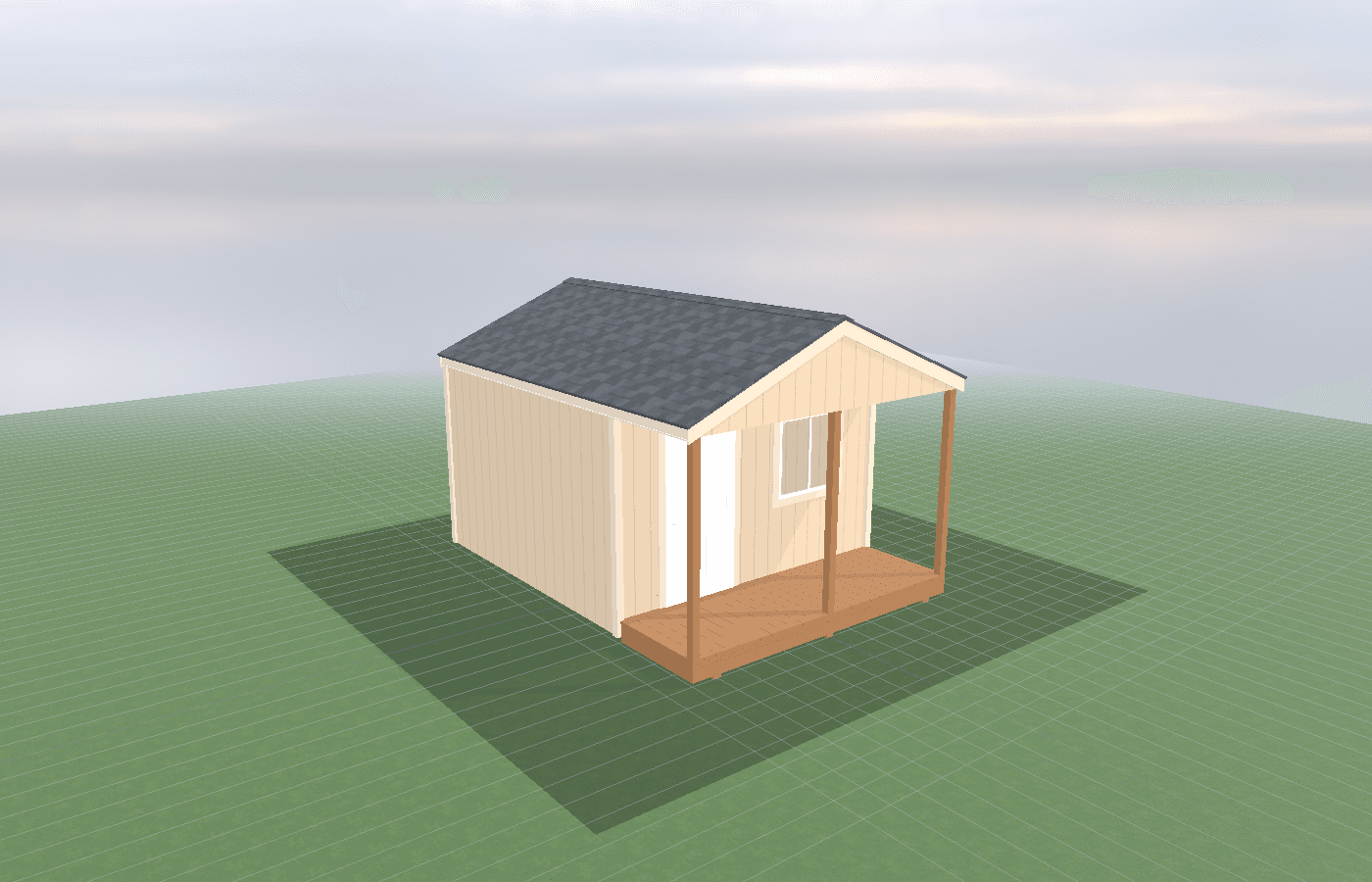
Open the builder pre-loaded with a material-ready setup. Adjust the details around your property, then send it for a free estimate.
Pick a starting shed
Choose the building type that matches the job — storage, workshop, garage, retreat. The builder loads a preset that fits the lot.
Configure to the site
Set the footprint, doors, windows, roof, and finish to match North Idaho snow loads, access, and the way the shed will be used.
Request a free estimate
Send the configured layout to Justice with the property details, and we follow up with a build plan and price.
Compare shed materials
See how the other siding and structure options hold up in North Idaho.
- Metal & Steel Sheds in North IdahoMetal and steel shed options for North Idaho properties. Galvanized panels, insulation needs, rust prevention, and snow load ratings for our local climate.
- Vinyl Sheds for North Idaho PropertiesVinyl shed siding options for North Idaho homeowners. Pros, cons, and cold-weather performance of vinyl construction in our harsh freeze-thaw climate.
- Wood Shed Construction in North IdahoEverything about wood shed construction in North Idaho. Cedar, pine, and engineered wood options rated for snow, moisture, and durability in our climate.